
Last updated October 31, 2026
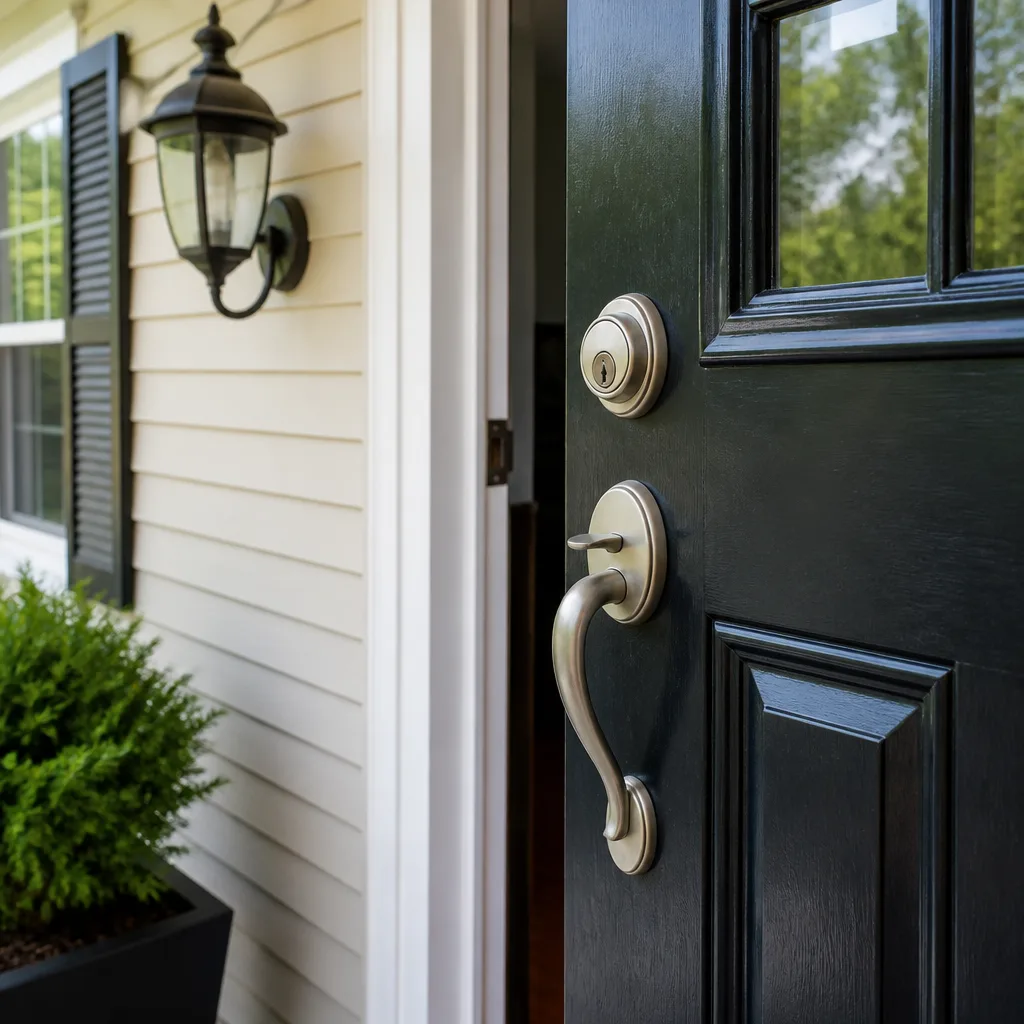 House lockouts
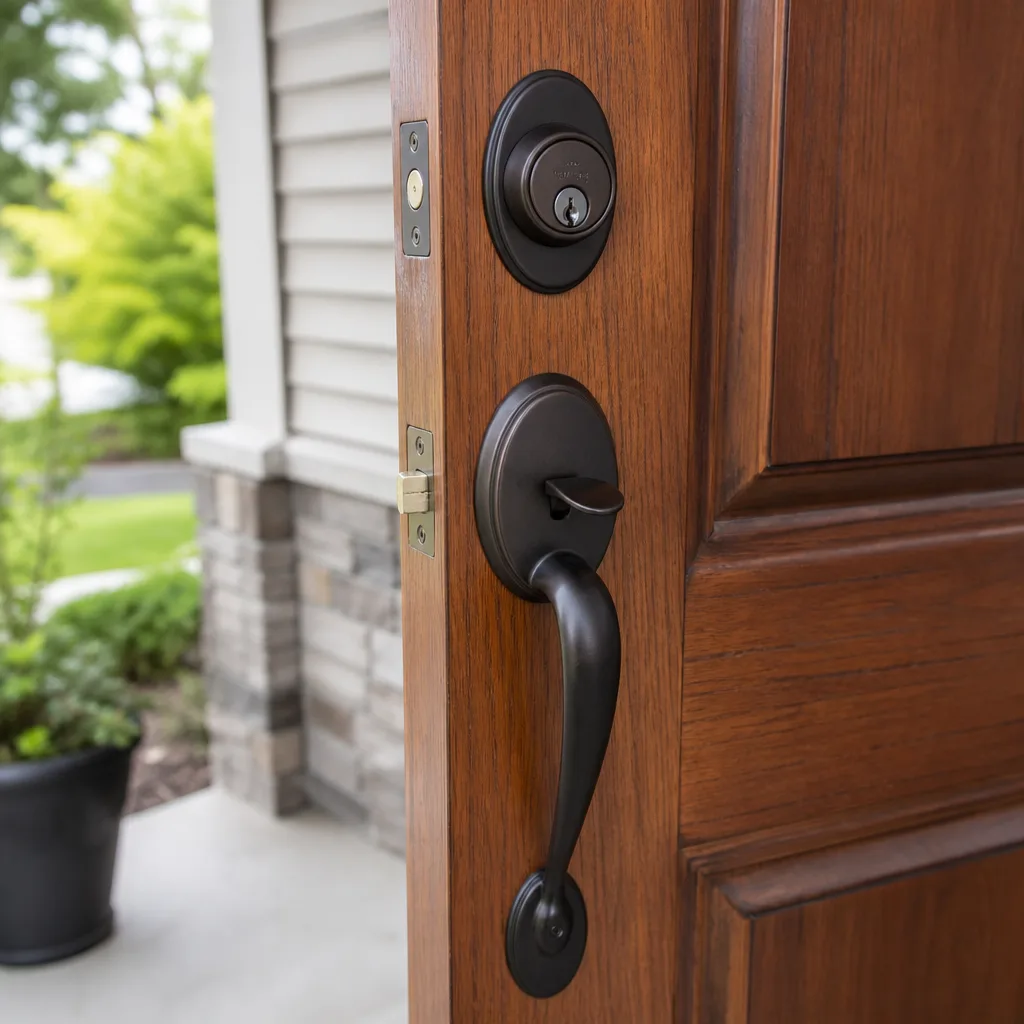 Re-keying
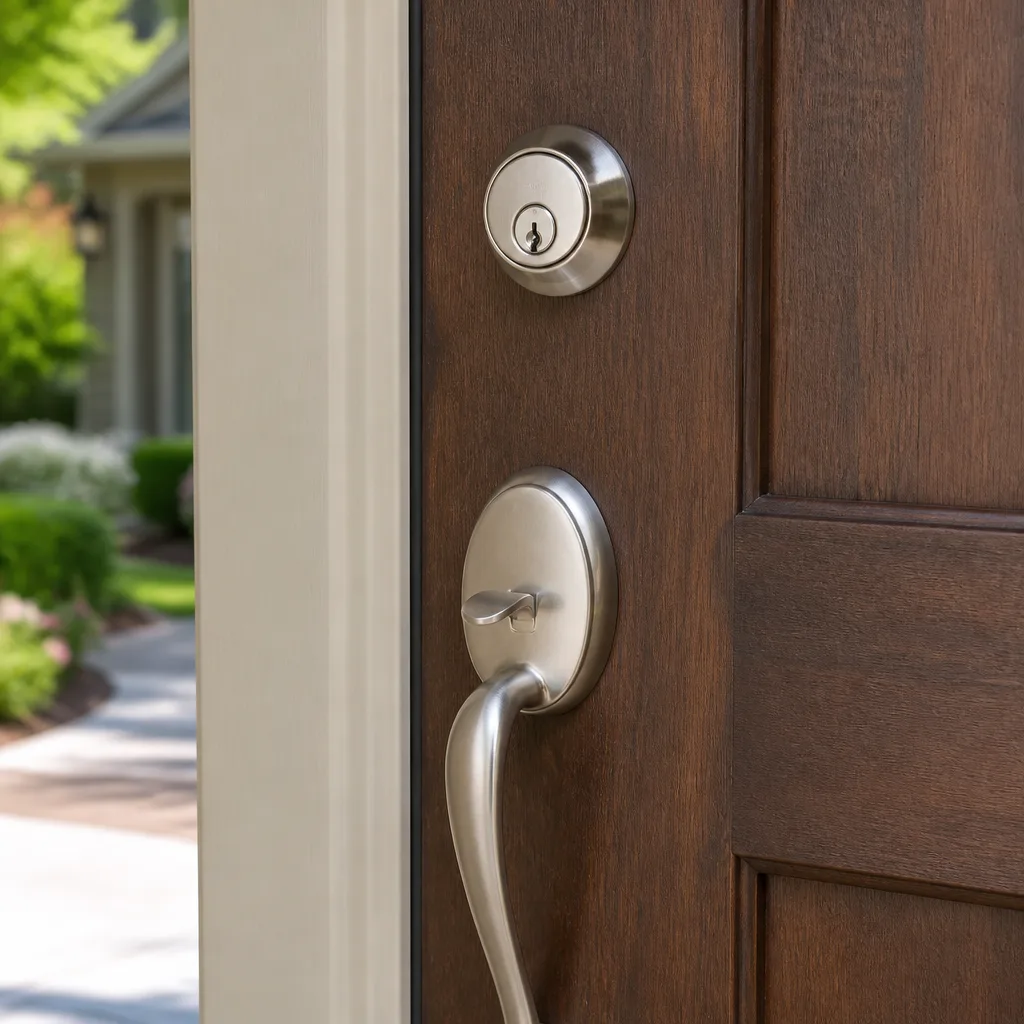 Deadbolt upgrades
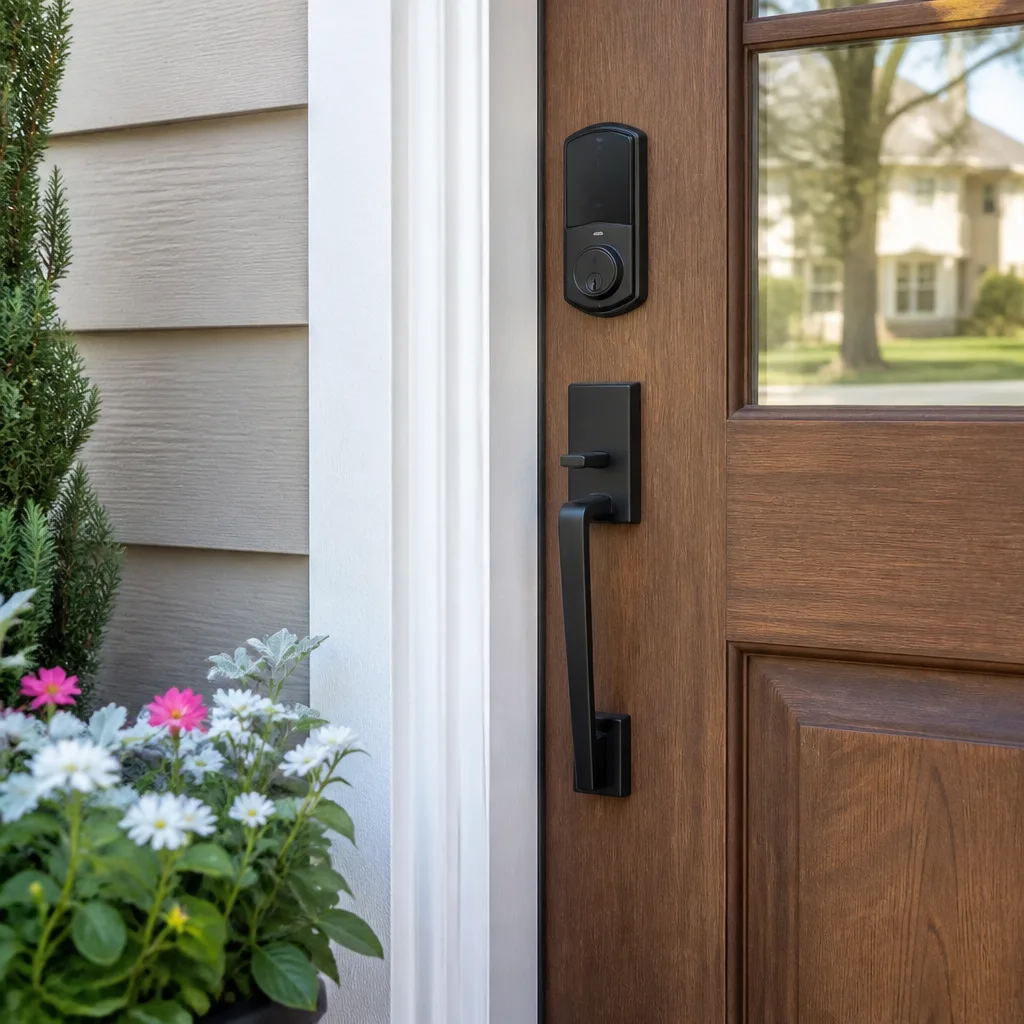 Smart locks
 Schlage
 Kwikset
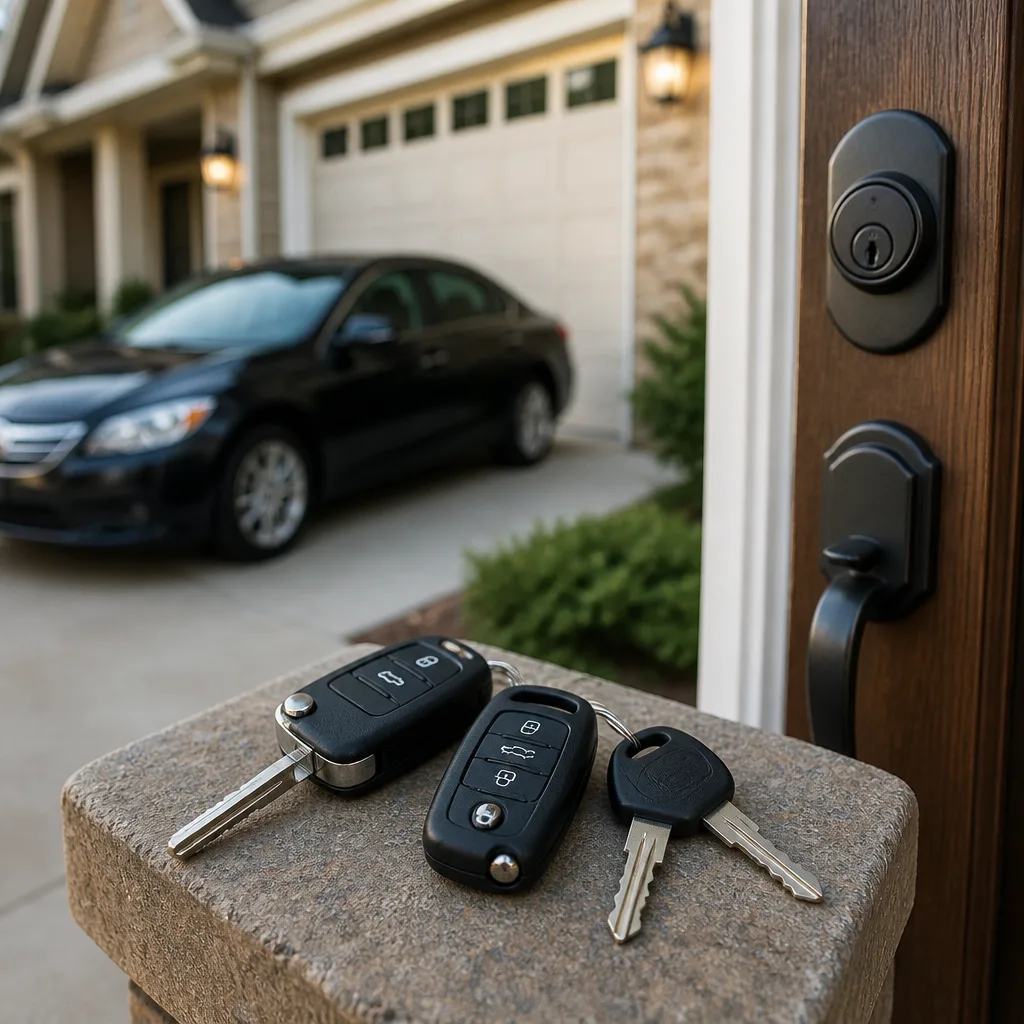 Car keys & fobs
Non-destructive entry first, always - and we re-key Schlage, Kwikset, and Baldwin locks on the spot while you watch
You get a price before we start. It does not change when we arrive. No surprises.
Get your free estimateCar Key Replacement Troubleshooting: Common Problems and How to Fix Them
The most expensive car key mistake isn’t losing the original. It’s paying for a replacement that doesn’t work, then paying again because neither you nor the locksmith diagnosed why. We see this pattern regularly in Torrance, where a driver gets a new key cut at a big-box store, finds the car won’t start, and assumes the key itself is defective. It usually isn’t. This guide walks through the five most common post-replacement failures we’ve diagnosed, what each symptom actually means, and what the fix looks like before anyone spends another dollar. For a deeper dive, see The Complete Car Key Replacement Guide for Torrance Homeowners. You’ll learn how to tell a mechanical cut problem from a programming problem in under sixty seconds, why some cars lock themselves out after a failed attempt, and when the real culprit is the ignition cylinder rather than the key.
Quick Answer
A replacement car key that won’t start the vehicle is almost always a programming or synchronization failure, not a defective key. If the key turns the ignition but the engine cranks without starting, the transponder chip hasn’t been synced to the vehicle’s immobilizer. If the key won’t turn the cylinder at all, it’s a mechanical cut problem. Both are fixable, and neither requires paying for a second new key when properly diagnosed.
Styles & brands we work with
Table of Contents
- Symptom One: Key Turns, Engine Cranks, Car Won’t Start
- Symptom Two: Key Won’t Turn the Ignition at All
- Symptom Three: Fob Unlocks Doors but Won’t Start Engine
- Symptom Four: Anti-Theft Lockout After Failed Programming
- Symptom Five: Key Works Intermittently or Only in One Position
- The Vehicle Battery Factor Most People Overlook
- When the Ignition Cylinder Is the Actual Problem
- What Car Key Troubleshooting Actually Costs in Torrance
Symptom One: Key Turns, Engine Cranks, Car Won’t Start
This is the single most common post-replacement failure we diagnose, and it has a clear cause. The key’s mechanical cut is correct. The transponder chip inside the key is either missing, unprogrammed, or programmed to a different vehicle. When you insert the key and turn it, the ignition switch engages and the starter motor cranks, but the engine control unit doesn’t receive the correct immobilizer code from the transponder chip. No code, no fuel delivery, no spark, no start.
Here’s how to confirm the diagnosis without any tools. Turn the key to the ON position without cranking. Watch the dashboard. Most vehicles built after 2000 will display a security indicator light, often shaped like a car with a padlock or a key symbol. If that light flashes rapidly or stays solid when you attempt to start, the immobilizer is rejecting the key. That’s a programming issue, not a key quality issue.
What’s actually happening: modern car keys contain a small RFID chip that communicates with the vehicle’s immobilizer system. When a locksmith or dealer cuts a replacement, the mechanical blade is only half the job. The chip must be introduced to the car’s computer through a programming sequence. Skip that sequence, and you have a perfectly cut key that the car treats as an unauthorized attempt. We’ve seen drivers in Torrance throw away perfectly good replacement keys because nobody explained this distinction.
Some vehicles allow owner-level programming for transponder keys. Ford, for example, has a procedure requiring two already-working keys to program a third without diagnostic equipment. Most modern vehicles, including nearly all models from 2015 onward, require dealer-level or professional diagnostic tools. A locksmith with Car Key Replacement services and automotive programming capability handles this in the driveway. The fix takes under thirty minutes in most cases.
The takeaway: if the key turns and the engine cranks, don’t buy another key. Get the one you have programmed.
Symptom Two: Key Won’t Turn the Ignition at All
This symptom points to the mechanical side of key replacement, and it’s usually diagnosed in seconds. If the key won’t insert fully or won’t rotate the ignition cylinder, the cut is wrong, the key blank is wrong, or the cylinder itself has worn past the point where a fresh key can work.
Cars use several keyway profiles, and a key blank that looks right can still be wrong. A Honda blank won’t fit a Toyota cylinder even if the overall shape looks similar. The cutting machine traces the original key’s depth and spacing onto the new blank, but if the blank is off by a fraction of a millimeter, the pins inside the cylinder won’t align. The key binds. It won’t turn.
Here’s a quick diagnostic sequence we use in the field:
- Check insertion. If the key won’t slide all the way into the cylinder, the blank profile is likely wrong for your vehicle’s lock. This is a blank identification issue, not a cutting issue.
- Check rotation. If the key inserts fully but won’t rotate, the cut depths are likely off on one or more positions. The pins aren’t reaching the shear line.
- Check the original. If the original key still works and the replacement doesn’t, compare the two side by side. Differences in the valleys and peaks of the cuts will be visible.
- Check the cylinder. If neither the new key nor the original turns smoothly, the ignition cylinder itself has worn. More on that below under “When the Ignition Cylinder Is the Actual Problem.”
One nuance that gets overlooked: a key cut from a badly worn original can inherit the wear pattern. An original key with 100,000 miles on it loses definition at the high points. Cutting a new key from that worn original produces a duplicate of a degraded pattern. The best fix is to cut from the vehicle’s key code, which most automotive locksmiths can retrieve from the VIN with proof of ownership. A code-cut key restores the original factory depths, which is why we cut from code whenever the vehicle’s records allow it.
In Torrance, where vehicles range from fresh-off-the-lot EVs to twenty-year-old commuter sedans, key code availability varies by manufacturer and model year. Japanese brands like Toyota and Honda make code retrieval straightforward. Some European models require dealer involvement for key codes, which adds time but not necessarily cost to the replacement.
If the key won’t turn, don’t force it. Forcing a key in an ignition cylinder breaks wafers and turns a $5 recut into a $300 cylinder replacement.
Symptom Three: Fob Unlocks Doors but Won’t Start Engine
This scenario confuses people because the key works for everything except the one thing they needed it for. The doors lock and unlock, the panic button works, the trunk release responds. But slide the key in or press the start button, and nothing happens, or the car cranks and dies immediately.
The explanation is straightforward once you understand that a car key contains two separate systems that don’t talk to each other. The remote buttons communicate with the vehicle’s body control module using a rolling code signal. That’s the lock/unlock function. The transponder chip communicates with the immobilizer using a completely different frequency and protocol. Programming the remote buttons does not program the transponder chip. They are separate procedures, and many people assume one covers both.
This is the most common failure pattern we find when drivers buy a replacement fob online or from a kiosk. The vendor programs the remote functions and hands over a fob that flashes lights and beeps. The transponder was never introduced to the immobilizer. The car treats the start attempt as theft. A dead fob battery would not cause this, because a transponder chip is passive and doesn’t require fob battery power to be read.
The fix is a transponder programming session. On most vehicles, this requires connecting a diagnostic tool to the OBD-II port and adding the new key to the vehicle’s authorized key list. Some vehicles also require all existing keys to be present during programming, because the system wipes and rebuilds the key table. If one existing key is missing, it may be dropped from the system and stop working after the new key is added. We tell customers to gather every key they own before any programming appointment. That small step saves a second trip.
For push-button start vehicles, the same principle applies. The proximity system that unlocks the door when you grab the handle is separate from the immobilizer handshake that authorizes engine start. A fob with a good battery will unlock the car and not start it if the transponder layer hasn’t been synced.
Symptom Four: Anti-Theft Lockout After Failed Programming
Some vehicles punish failed programming attempts by entering an anti-theft lockout. The car assumes someone tried to add an unauthorized key and locks the starting system down. The dashboard shows a blinking security light. The engine won’t crank. To the driver, it looks like the car is bricked.
This pattern is most common on GM and Chrysler vehicles from roughly 2005 through 2015. Both manufacturers built a timer-based lockout into their immobilizer logic. After a certain number of failed attempts to program a key or start the car with an unrecognized transponder, the system refuses all key handshakes for a waiting period. The period varies by model and generation, typically ranging from ten minutes to thirty minutes.
The way out is usually time and a specific procedure. Here’s the general recovery sequence, though exact steps vary by model year:
- Remove the key and close all doors. The vehicle may need to see everything shut before the timer resets.
- Wait without attempting to start. The lockout timer resets when the vehicle sits undisturbed, typically with the key out of the ignition. Disconnecting the battery rarely helps and can reset other systems unnecessarily.
- Insert the key and turn to ON. Do not crank. Leave it in the ON position. On many GM vehicles, the security light will stop blinking after approximately ten minutes, indicating the lockout cleared.
- Cycle to OFF, then start. If the car still won’t start, the programming attempt itself likely failed and needs to be redone with the correct equipment.
- If the lockout repeats, stop guessing. Multiple failed attempts can escalate the timer. A professional programming tool reads the immobilizer state and clears the condition directly.
The lesson here is that a failed do-it-yourself programming session on one of these vehicles creates a problem that looks worse than it is. We regularly get calls from Torrance drivers who tried an online programming tutorial, got a blinking security light, and assumed the car needed towing. Most of the time, it needs a reset and a proper programming pass with the right diagnostic tool. The car isn’t broken. It’s enforcing its own security protocol.
Symptom Five: Key Works Intermittently or Only in One Position
An intermittent key is the most frustrating failure pattern because it defies clean diagnosis. The key works in the morning, refuses in the afternoon, works again the next day. Or it starts the car when inserted one way but not when flipped over.
Two possible causes, and they point in opposite directions.
Possibility one: the key cut is marginal. A key cut slightly shallow or deep on one position will sometimes align the pins and sometimes not, depending on temperature, humidity, and the exact position of the cylinder when it stopped. Brass pins expand and contract with heat. A key that works in a cold morning garage might bind on a hot Torrance afternoon after the cylinder has sat in the sun. If the key works when flipped but not in the original orientation, the cut depths are borderline.
Possibility two: the ignition cylinder is wearing out. Ignition cylinders have a service life measured in insertions. Every key entry wears the wafers inside the cylinder a microscopic amount. After tens of thousands of insertions over a decade, the cylinder loses its ability to hold pins at the shear line reliably. A new key cut to factory specification will fail in a worn cylinder because the cylinder no longer matches factory specification. This is not a key problem. It’s a lock problem, and it requires cylinder repair or replacement.
On vehicles with a separate key and remote fob (common through the mid-2000s), the problem may also be mechanical binding in the steering wheel lock. A car parked with the steering wheel turned hard against the stop puts pressure on the ignition interlock. The key won’t turn until the wheel is released. This is the cheapest problem in this guide to fix: pull the steering wheel gently toward the direction it’s already turned while turning the key. If the key suddenly frees up, the issue was never the key at all.
When we see intermittent starting in Torrance, we ask the driver one question first: does the original key still work reliably? If yes, the replacement is the problem. If the original also struggles, the cylinder is the problem and the replacement key was never going to fix it.
The Vehicle Battery Factor Most People Overlook
Here’s a failure pattern we’ve diagnosed enough times that it deserves its own section. A driver gets a new key programmed. It works for a week. Then the car stops recognizing it. The locksmith gets blamed. The real problem is the 12-volt vehicle battery sitting at 11.8 volts instead of the 12.6 it should hold.
Modern immobilizer systems are voltage-sensitive. The transponder handshake between key and vehicle computer requires stable electrical power. When the vehicle battery is weak, the handshake becomes unreliable. The car may crank slowly but still fail to authorize the key because the immobilizer module didn’t get the clean voltage it needs to compare codes. The result looks exactly like a programming failure: engine cranks, car won’t start, security light flashes.
This is also a known failure during programming sessions themselves. A technician attempting to program a new key into a car with a weak battery can get multiple failed attempts that have nothing to do with the key or the equipment. The car’s computer reboots mid-session, or the immobilizer module drops voltage during the critical write sequence. Some vehicles require the battery to maintain a minimum voltage during programming, and a battery that dips below threshold causes the write to fail silently.
What to check before calling a locksmith back: measure the vehicle battery voltage at rest. Anything below 12.2 volts is suspect. If the car has been sitting for more than a week without a drive, the battery may simply be undercharged. A thirty-minute drive can restore enough surface charge to change the equation. If the battery is more than four years old in a hot-climate city like Torrance, where under-hood temperatures degrade batteries faster than in cooler regions, replacement may be overdue.
We’ve seen weak batteries cause failures on every type of key replacement: transponder keys, proximity fobs, and even mechanical duplicates that work fine in the door but fail in the ignition because the cylinder’s electrical contacts aren’t getting clean power. A $150 battery replacement sometimes fixes what a $400 key replacement was blamed for.
When the Ignition Cylinder Is the Actual Problem
Every key replacement assumes the lock it goes into is healthy. When that assumption is wrong, the new key fails and takes the blame. Ignition cylinders don’t get inspected often because they’re inconvenient to access. They wear, though, just like every other mechanical part on a car.
Here are the ignition cylinder symptoms that cause new keys to fail, even when the key is cut and programmed perfectly:
- High insertion effort. A healthy cylinder accepts a key with light pressure. If the new key goes in hard, the cylinder’s internal components have worn or shifted.
- Sticky rotation. The key turns, but not smoothly. You feel catches and grab points mid-rotation where there shouldn’t be any.
- No spring-back. In a healthy ignition, the key returns from the START position to ON by spring pressure. If it stays in START or requires manual assistance to come back, the cylinder’s return spring is failing.
- Accessory mode drift. The radio or climate control cuts out because the key is slowly rotating within the cylinder even though your hand isn’t moving it.
- Key removal resistance. The key only comes out with a wiggle, a pull, or not at all in the parked position.
One more relevant failure: some Honda and Acura models from the mid-2000s had documented ignition interlock issues where the key couldn’t be removed even in park. This isn’t a key problem. It’s a shift interlock or cylinder pawl failure, and throwing new keys at it never fixes it.
The important point: if the original key and the new key both behave badly in the ignition, the cylinder is worn or damaged. Replacing the key again will produce the same failure. The fix is cylinder repair or replacement, which is a standard automotive locksmith service. On some vehicles, the cylinder can be rebuilt with fresh wafers and springs. On others, a new cylinder must be ordered and matched to the existing key so the door locks and ignition stay on one key. That matching step is why professional cylinder work costs more than a hardware-store key copy, and why it’s worth it.
What Car Key Troubleshooting Actually Costs in Torrance
Torrance prices for car key work follow the market patterns typical of Los Angeles County, with a few local wrinkles. Independent automotive locksmiths here generally charge less than dealers for the same key programming service, and they come to the vehicle rather than requiring a tow. For help selecting a provider, read Choosing the Right Locksmith Brand: A Buyer’s Guide for Torrance. That mobility matters when the car won’t start in a parking lot on Hawthorne Boulevard or a residential street in South Torrance.
Here’s what we quote for diagnostic and fix work when a replacement key fails:
- Transponder programming for an existing cut key: $60 to $120, depending on vehicle make and whether immobilizer reset is needed.
- Mechanical recut of a poorly cut key: $25 to $60 if the key blank is reusable.
- Full replacement key including new cut and programming: $120 to $350. The spread reflects the gap between a basic Ford transponder key and a proximity fob for a modern German vehicle.
- Ignition cylinder inspection and minor repair: $75 to $180, though full cylinder replacement with parts can run $300 to $600 depending on the vehicle.
- Anti-theft lockout reset: $50 to $100 for clearing the immobilizer and restoring starting function using professional diagnostic tools.
What you should never pay for is a second full-price key because the first one “must have been bad.” A properly diagnosed key failure leads to a fix, not a do-over. The phone estimate you get before anyone is dispatched should be the price you pay when the service is complete, and we quote it that way. Our car key replacement service in Torrance covers diagnosis, cut correction, programming, and cylinder work in one visit, because the failure is rarely just one layer deep.
We also see a pattern worth naming: drivers who call a dealership first, get quoted $400 to $700 for a key and programming, and then call us when they need an alternative same-day option. The key technology is the same. The pricing isn’t. Our brand work across the Tumbler Lock & Key home service lineup reflects the same philosophy: identify the real problem, fix it once, charge what we quoted.
Common Mistakes to Avoid
- Buying a replacement key before diagnosing why the old one failed. If the old key broke in the ignition, a new key alone doesn’t remove the broken piece or address the cylinder damage that may have caused the break. If the old key just stopped starting the car, a new key without programming just duplicates the failure.
- Assuming the remote and the transponder program together. They don’t. A fob that unlocks doors proves nothing about the transponder chip’s authorization state. This assumption causes more repeat service calls than any other single error.
- Forcing a key that won’t turn. A key binding in the cylinder is a signal, not a challenge. Forcing it breaks wafers and pins. A stuck key that snaps off in the ignition converts a $50 recut into a $400 extraction and cylinder repair.
- Disconnecting the vehicle battery to clear a security light. On many modern vehicles, battery disconnection triggers additional system resets and can complicate diagnosis. The anti-theft lockout clears on a timer, not a battery pull. In Torrance’s heat, repeated battery disconnects also invite terminal corrosion issues.
- Programming a new key while the vehicle battery is weak. The programming session fails unpredictably, and the failure looks like a key or equipment problem. A battery that can’t hold voltage is a programming liability. Test before you program.
- Not gathering all existing keys before a programming appointment. Some vehicles wipe the old key table when a new key is added. Any key not present during programming may stop working. The result is a new problem you created while fixing an old one.
- Treating a locksmith quote as suspicious if it’s lower than the dealer’s. Independent automotive locksmiths in Los Angeles County routinely charge less than dealership key departments because they don’t carry the same overhead. The technology is identical. The equipment is the same class. The relationship is just different.
When to Call a Professional
If the key turns and the engine cranks but the car won’t start, and the security light is blinking, the programming equipment needed to fix it costs more than the service call. If the key won’t turn at all and you’ve confirmed the steering wheel isn’t binding, the cut or the cylinder requires professional correction. If you’ve had a failed do-it-yourself programming attempt, especially on a GM or Chrysler vehicle, stop adding attempts. Each failed attempt risks extending an anti-theft lockout. If the original key still works but the new one doesn’t, and you can’t see an obvious cut difference, the issue is likely a programming omission that needs a diagnostic tool. We fix all of these daily. Tumbler Lock & Key offers free estimates in Torrance. Call (877) 265-3856 and describe the symptom. We’ll tell you what we think is wrong before anyone gets in a vehicle.
Frequently Asked Questions
The mechanical cut is correct, but the transponder chip inside the key hasn’t been programmed to the vehicle’s immobilizer. The engine cranks because the ignition switch works. The engine doesn’t fire because the immobilizer blocked fuel delivery when it didn’t receive the correct code. The fix is a transponder programming session, usually completed in under thirty minutes.
Yes, and it’s a routine service. Professional automotive locksmiths use diagnostic equipment to access the vehicle’s immobilizer and add a new key directly, even when no working keys remain. The vehicle must be present, and proof of ownership is required. Some vehicles allow owner programming with two working keys, but a no-key scenario needs professional tools.
It should be, and with our emergency locksmith service in Torrance, it is. We quote a full price on the phone before anyone is dispatched, and that’s the price on the invoice. No arrival surcharge, no add-on for programming equipment. The only time pricing changes is if the vehicle turns out to need a service the driver didn’t describe, such as cylinder repair in addition to key programming, and we get approval for that before doing the work.
Most service calls in Torrance run under an hour from the time you call. Coverage spans the entire city, from Seaside and Old Torrance up through North Torrance and the industrial corridor near the 405. If you’re stranded in a parking structure or on a residential street, tell the dispatcher your cross streets. We know the neighborhoods and don’t need detailed directions.
Almost never. Automotive locksmiths carry the same programming equipment dealers use and perform the work at your vehicle wherever it’s parked. The exceptions are rare vehicles that require dealer-exclusive key code retrieval, and even those usually only need a phone call rather than a tow. We handle any rekey work in Torrance the same way: we come to the property, diagnose, and fix on-site.
The most likely cause is vehicle battery voltage dropping between programming and regular use. A weak 12-volt battery creates intermittent immobilizer handshake failures that look like a key that’s losing its programming. Test the battery before returning the key. If the battery is strong, the next suspect is a marginal key cut interacting with a warm or cold cylinder, or a worn ignition cylinder that’s failing progressively.
It means the cut depths are borderline. One or more cut positions is slightly off from factory specification, so alignment succeeds in one orientation and fails in the other. It’s a mechanical issue, not a programming issue, and it’s fixed by recutting from the vehicle’s key code rather than tracing the worn original.
Common Mistakes That Turn a $150 Fix Into a $600 Problem
Some failures compound because the first response was wrong. Here are the patterns we’d rather help you avoid, because we’ve seen them in Torrance driveways too many times. Forcing a key that won’t turn is the classic. A binding key is information. It tells you something about the cylinder or the cut. Breaking the key off in the ignition because the driver applied leverage converts a diagnosis into an extraction, and extractions are expensive. The second compounding error is calling a tow truck to the dealership before calling a mobile locksmith. A key that cranks but won’t start doesn’t need a tow. It needs programming, which happens in the driveway. The tow plus dealer programming can triple the final cost for the same result. The third error is treating key replacement as an isolated problem when the ignition cylinder has been complaining for months. A cylinder that’s stiff, sticky, or position-sensitive doesn’t just fail to work with a new key. It gets progressively worse until it fails with any key, including a brand-new one. Replacing the key on a cylinder that’s already failing just puts a new part on a worn interface.
The fourth error is buying the cheapest replacement key from an online marketplace and expecting a professional result. Some aftermarket key blanks are made from softer brass that wears quickly against factory cylinders. They work initially, then degrade in ways factory-cut keys don’t. If you’re keeping the car for years, the savings evaporate when the key fails at the wrong moment. We’ve also seen aftermarket proximity fobs with chips that aren’t fully compatible with certain vehicle generations, causing intermittent recognition failures that never quite resolve. The key technology in a modern car is precision work. It rewards the brands that built the car and the locksmiths who carry the right tools, not the lowest bidder.
The Bottom Line
A replacement car key that fails is a solvable problem, and the solution starts with correct diagnosis. Key turns but engine just cranks: programming issue. Key won’t turn at all: cut issue. Fob opens doors but won’t start: transponder sync issue. Security light blinking after a failed attempt: anti-theft lockout, and it clears with the right procedure. Original key failing alongside the new one: ignition cylinder, not the key. Most of these fixes cost far less than the panic assumes, and none of them require paying for a second key. If you’re in Torrance and a replacement key isn’t working, call (877) 265-3856 before you spend another dollar. We’ll tell you what’s wrong over the phone, and we’ll fix it in your driveway. One call covers your car, your home, your business.
Written by the team at Tumbler Lock & Key, serving Torrance since 2015. From Kwikset to Medeco, we rekey, we replace, we respond.