Last updated October 31, 2026
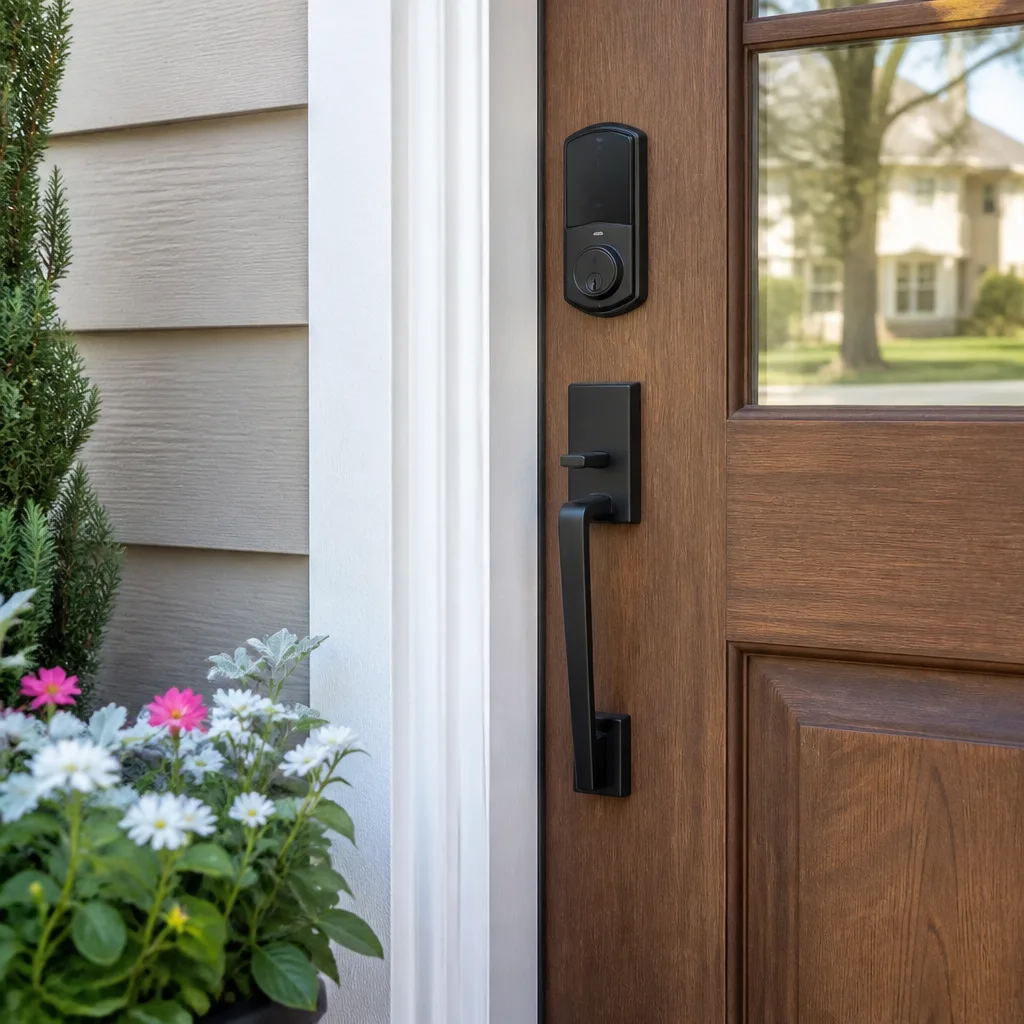 Smart locks
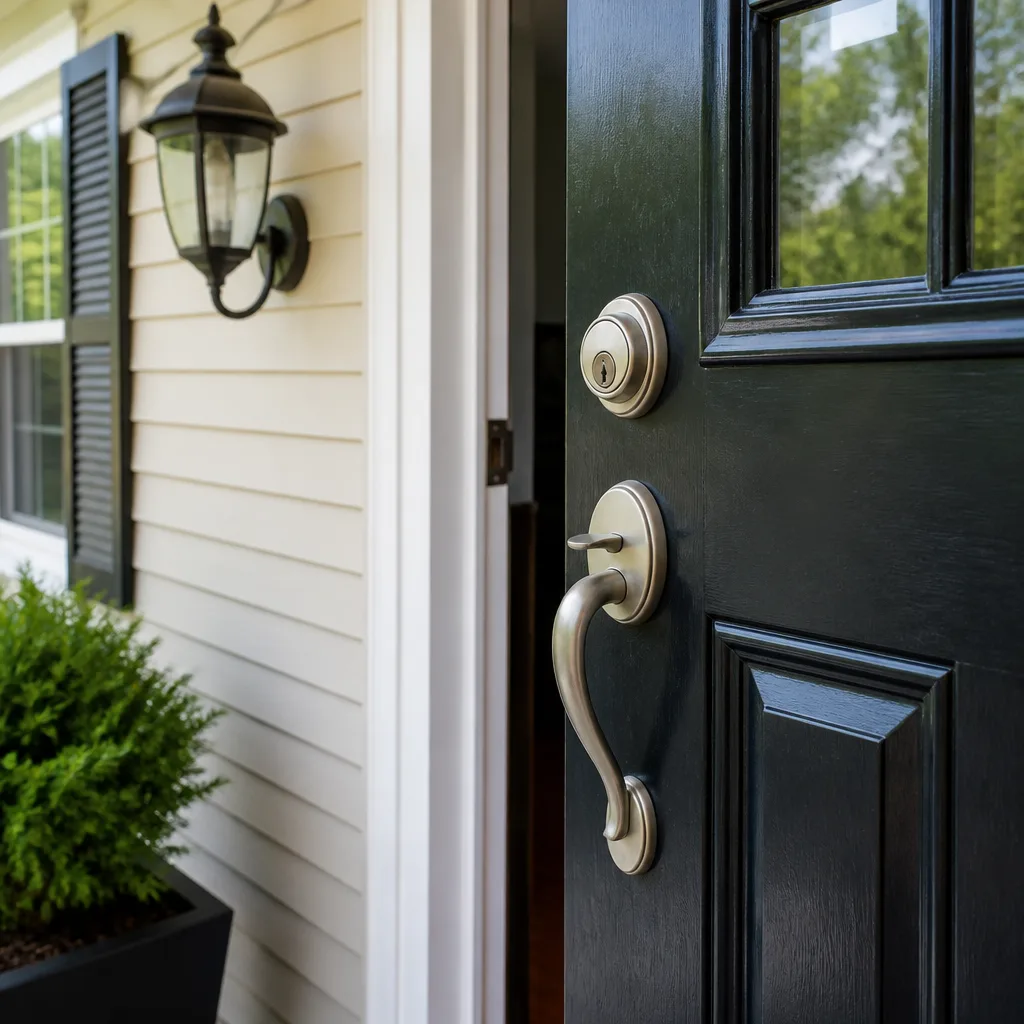 House lockouts
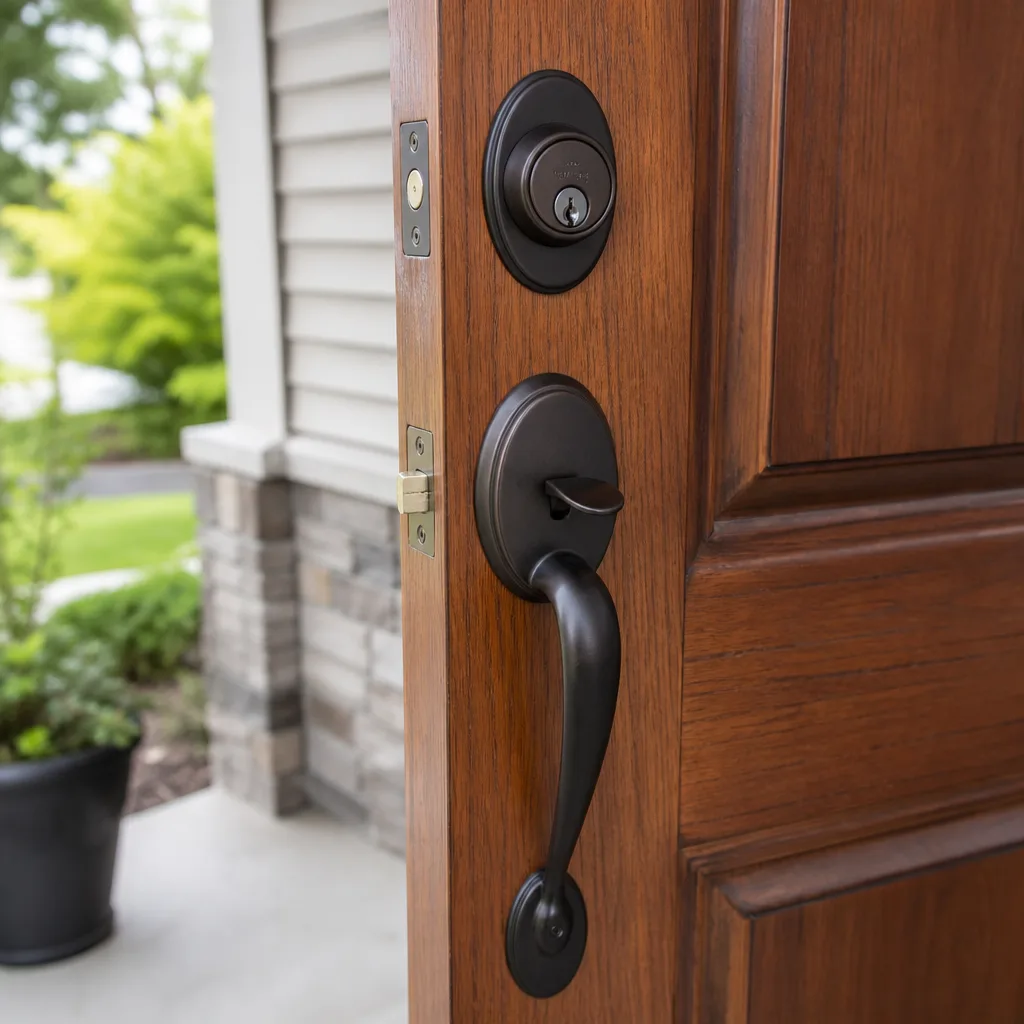 Re-keying
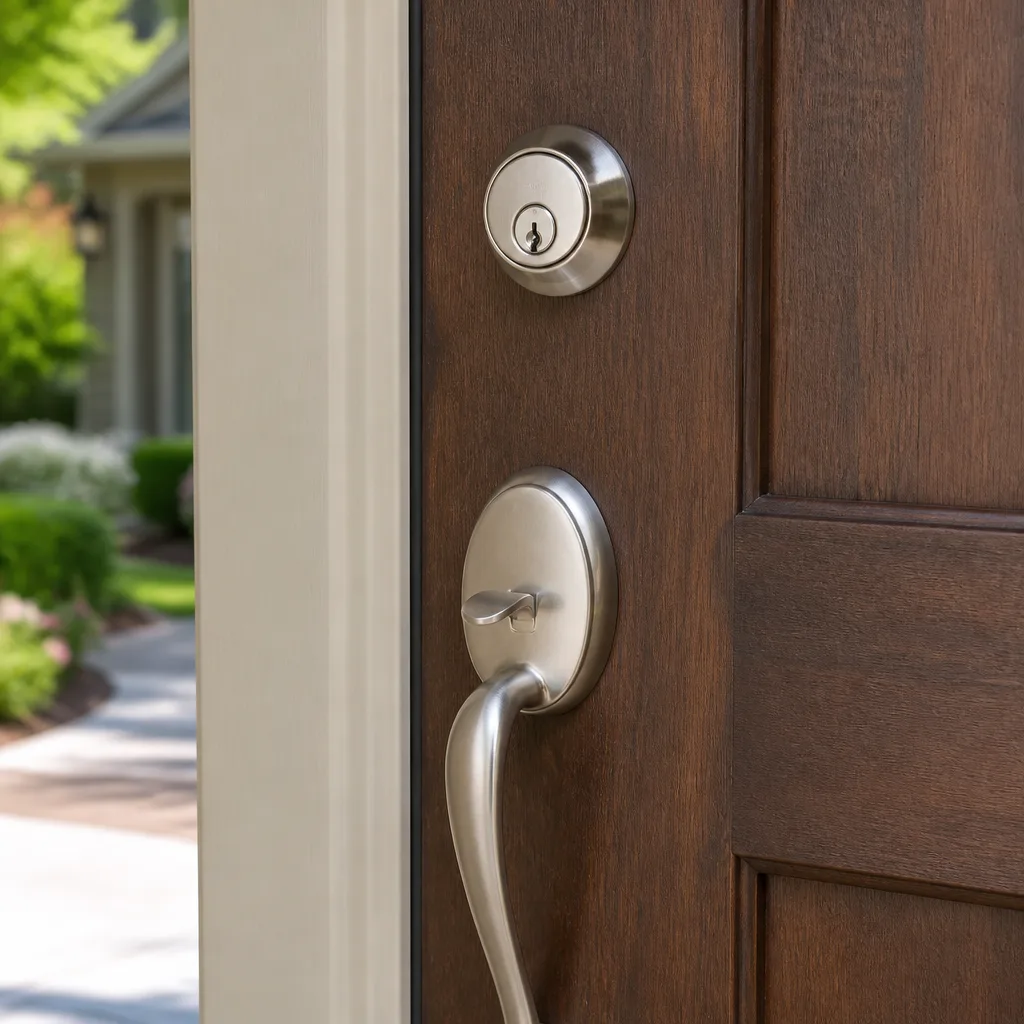 Deadbolt upgrades
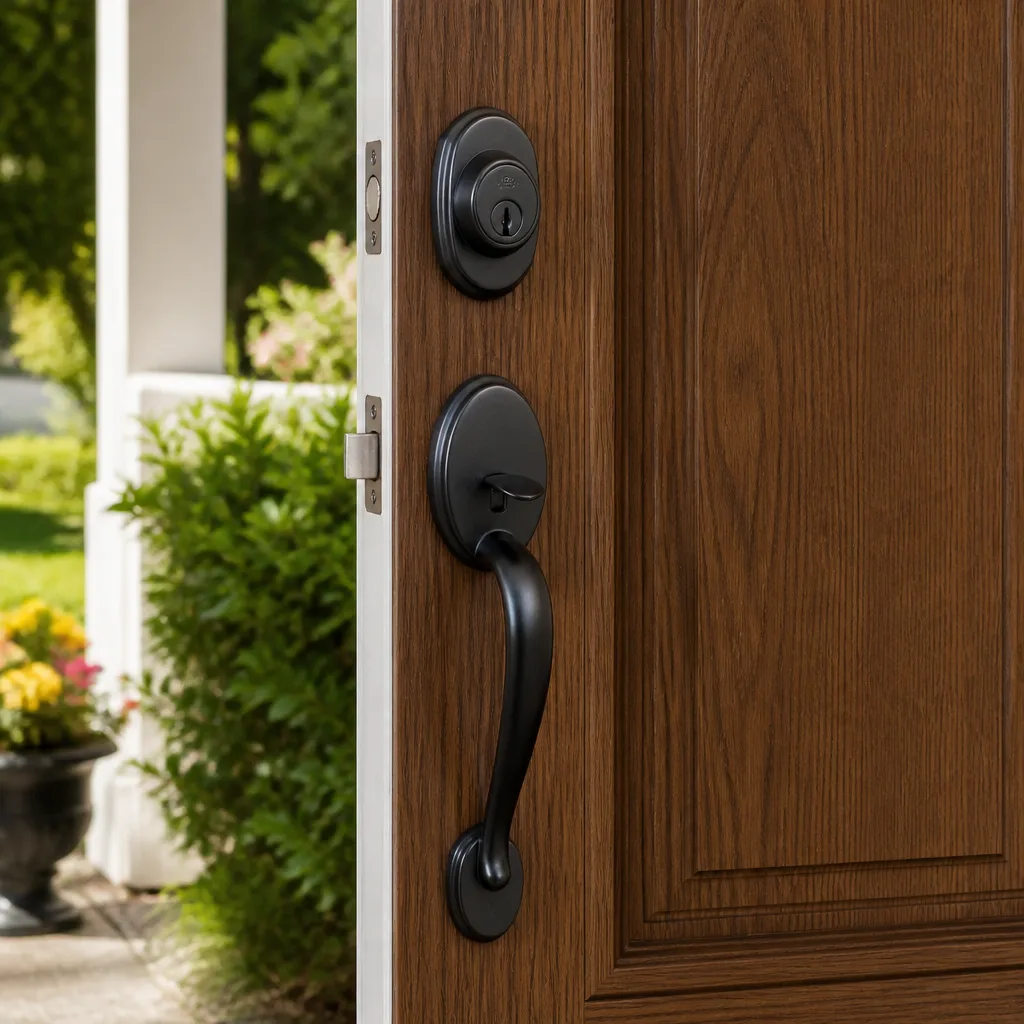 Schlage
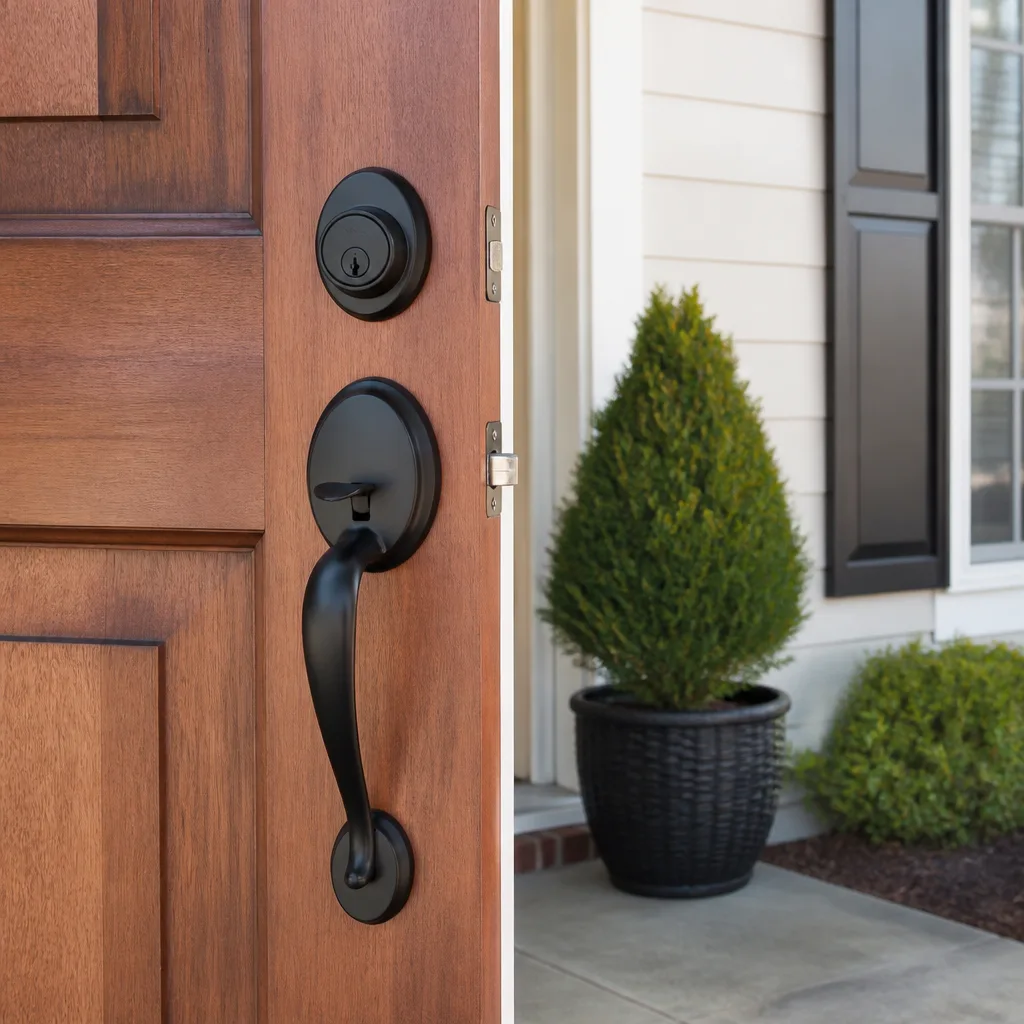 Kwikset
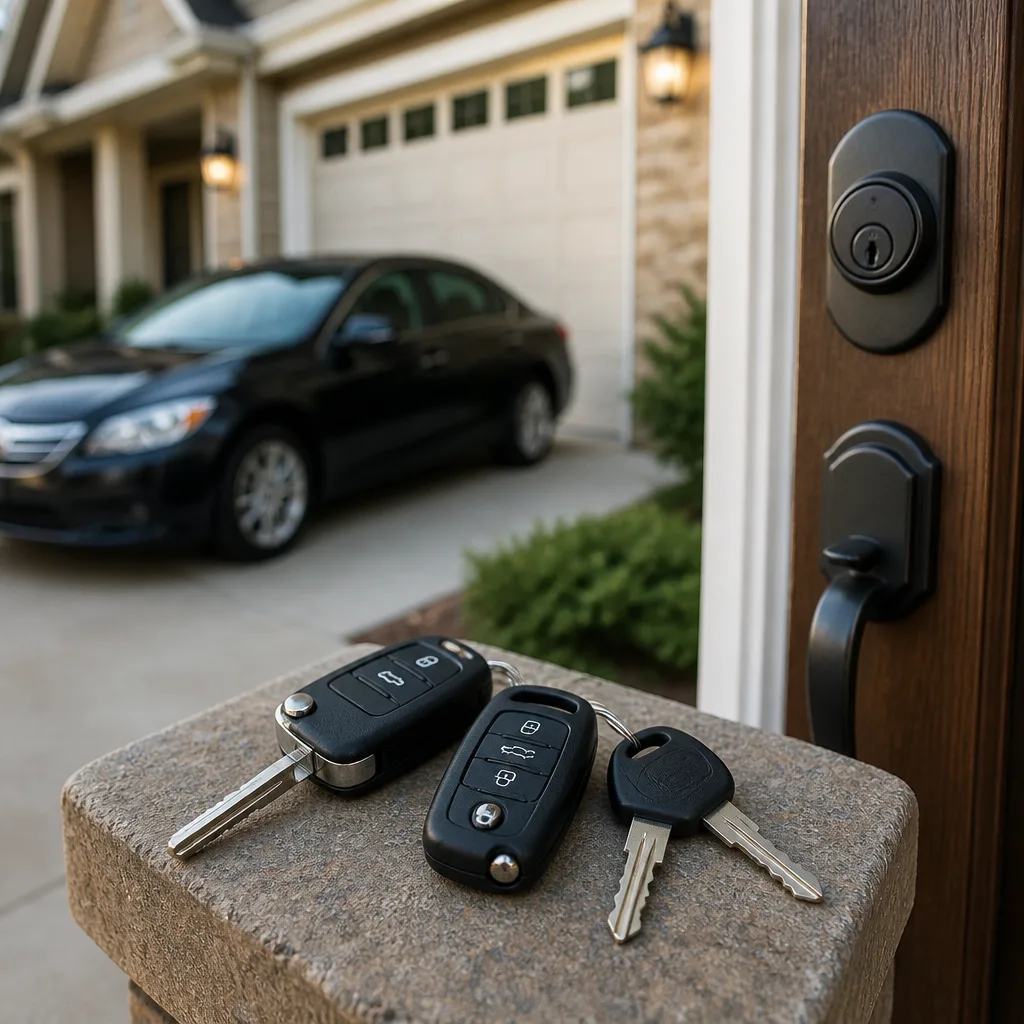 Car keys & fobs
Non-destructive entry first, always - and we re-key Schlage, Kwikset, and Baldwin locks on the spot while you watch
You get a price before we start. It does not change when we arrive. No surprises.
Get your free estimateThe Complete Guide to Locksmith in Torrance
Most “complete locksmith guides” are copy-pasted national templates. They mention “your city” but never explain why a harbor-adjacent climate accelerates pin tumbler corrosion, or why HOA rules in Torrance condo complexes restrict what rekeying you can legally do on your own. Torrance isn’t a generic suburb. It’s 20 square miles of dense apartment corridors, beach-adjacent storage units, commercial strips along Hawthorne Boulevard, and single-family tracts that date back to the 1950s. Each of those settings creates a different lock and key problem. This guide maps the full spectrum to the specific contexts Torrance residents actually face, and you can find more guides & resources on our blog.
Quick Answer
A locksmith in Torrance handles three core needs: emergency lockouts, car key replacement, and lock rekeying or replacement. In Torrance specifically, the coastal humidity means pin tumbler locks corrode faster than inland cities like Riverside or San Bernardino, so regular maintenance and cleaning matter more here than most homeowners realize. Tumbler Lock & Key covers all three services, works on hardware from Kwikset to Medeco, and can be reached at (877) 265-3856.
Styles & brands we work with
Table of Contents
- Why Torrance’s Lock Landscape Is Different
- Emergency, Residential, Automotive, and Commercial: What’s Actually Different
- How Coastal Humidity Affects Lock Hardware in Torrance
- HOA Rules and Master Keys in Torrance Condos and High-Rises
- How to Verify a Locksmith Is CLPCA-Registered Before You Open the Door
- Service-Type Matrix: What Takes 10 Minutes, What Takes an Hour, What Needs a Follow-Up
- Common Mistakes to Avoid
- When to Call a Professional
- Frequently Asked Questions
Why Torrance’s Lock Landscape Is Different
Torrance has a lock profile that doesn’t exist in most of Southern California. You’ve got 1950s and 60s tract homes in the central and north sections where many original locksets are still in place. You’ve got 1970s and 80s apartment buildings along Artesia Boulevard and Sepulveda that were built with construction-grade hardware. You’ve got newer condos and townhomes near Del Amo Fashion Center with builder-installed Schlage or Kwikset smart locks. And you’ve got commercial properties along Hawthorne Boulevard and Crenshaw Boulevard where high-security cylinders from Medeco or Mul-T-Lock are more common than people expect.
This means no single piece of generic advice applies everywhere in Torrance. A homeowner in Old Torrance with a 1962 Kwikset deadbolt has a completely different set of needs than a property manager running a 40-unit building near the 405 who juggles master key systems and turnover rekeys. A renter locked out of an apartment on Anza Avenue needs speed. An auto owner with a 2018 Honda parked near the Galleria needs chip key programming, not just a cut blank. The neighborhood determines the call.
We’ve worked this city long enough to know the patterns. Spring failures in natomas-style coastal units tend to be worse because salt air finds its way into every mechanism. Deadbolts on south-facing doors in Torrance’s inland sections get direct afternoon heat, which warps cheap strike plates. The point isn’t to scare anyone. It’s to say that your lock problem in Torrance probably has a local cause, and the fix needs to match it. Start with a look at our Tumbler Lock & Key home page if you’re unsure what category your situation falls into.
Emergency, Residential, Automotive, and Commercial: What’s Actually Different
The locksmith industry splits into four service categories, but in Torrance those lines blur often. A resident locked out of a rental near Torrance Boulevard at midnight is an emergency call, but it’s also a residential one. A store owner on Hawthorne Boulevard who needs a new commercial-grade cylinder at 6 PM is emergency and commercial. Here’s how the categories actually behave.
Emergency Locksmith
Emergency means right now. Locked out of a house off 190th Street, a car in a parking lot off Sepulveda, or an office near the Del Amo mall. The defining traits are speed of response and the ability to open a lock without destroying the door, frame, or hardware. A good emergency locksmith in Torrance arrives with non-destructive entry tools, gets you in, and then gives you honest options for whatever comes next: rekey, replace, or leave as-is. If the lock was forced or tampered with, replacement is usually the right call.
Residential Locksmith
Residential work covers lock installation, deadbolt upgrades, rekeying, and hardware maintenance. In Torrance, this often means swapping out old Kwikset or Schlage hardware on a mid-century home, or rekeying after a tenant move-out in one of the city’s many rental properties. Residential jobs are almost always scheduled, not urgent, which means you can take the time to ask about hardware quality. A solid residential locksmith tells you the truth: a $15 deadbolt and a $45 deadbolt are not the same, and in a coastal environment the cheap one fails faster. For a deeper look at pricing, see our Locksmith Cost Breakdown: The Torrance Homeowner’s Reference for 2026.
Automotive Locksmith
Car key replacement is its own discipline. Modern Torrance dealerships will happily charge $300 to $600 for a replacement key with chip programming, and they’ll often ask you to tow the car in. A mobile automotive locksmith does it in your driveway or a parking lot, typically for a good deal less. This service includes transponder keys, key fobs, proximity keys, and emergency car lockouts. See our Car Key Replacement in Torrance page for specifics on makes, models, and programming times.
Commercial Locksmith
Commercial work means access control, master key systems, high-security cylinders, and hardware that meets building code. In Torrance, the businesses that need this most are concentrated along the city’s commercial corridors: Hawthorne, Crenshaw, Sepulveda, Torrance Boulevard. A restaurant owner with a Medeco cylinder that’s been in place for 12 years isn’t going to call a handyman. They need a locksmith who knows how to service that hardware without a single misstep. That’s the commercial difference: the stakes are higher, the hardware is smarter, and the credentials matter more.
How Coastal Humidity Affects Lock Hardware in Torrance
Torrance sits about 3.5 miles from the Pacific. That means marine layer mornings, salt-laced air, and consistent humidity. For a metal device with tiny moving parts, that environment has one direct consequence: pin tumbler corrosion accelerates. A lock that would function fine for 20 years in Palm Springs can start sticking in 8 to 10 years here.
The mechanism is straightforward. A pin tumbler lock works by aligning a series of spring-loaded pins inside the cylinder. Each pin is steel or brass, and each pin sits inside a chamber drilled into a brass or zinc housing. Coastal air introduces chloride ions, which attack the metal surfaces. The springs lose tension. Pins develop microscopic rust ridges. The cylinder becomes stiff, then gritty, then refuses to turn entirely.
In Torrance, we see this most often on exterior doors that face west or southwest, because those get the brunt of ocean air. Storage units near the beach cities are another hotspot. A storage lock is exposed to the same salt air without the protection a residential door provides, and the hardware is usually lower-grade to begin with.
There are a few signs your Torrance lock is dealing with corrosion before it fails completely:
- Key resistance: The key feels gritty going in, or it doesn’t slide smoothly without a little wiggle.
- Stiff turning: You have to apply pressure to the key while turning, which is the classic sign of pin wear.
- Intermittent sticking: The lock works one day and jams the next, usually when humidity is highest.
- Visible oxidation: Greenish or white powder around the cylinder face, especially on brass hardware.
The fix is not WD-40. We’ll say that plainly. Spraying a petroleum-based product into a lock cylinder washes out the existing lubricant and leaves a sticky residue that attracts grit. The proper treatment is disassembly, cleaning with a solvent, and relubrication with a dry graphite or a Teflon-based lubricant. If the cylinder is beyond saving, replacement is the honest option. A new Kwikset or Schlage deadbolt costs less than a weekend of frustration.
The point for Torrance homeowners: plan for maintenance here. An annual check on exterior locks is a smart habit in this city. It takes five minutes. One quick call and a locksmith can service every exterior door before the marine layer turns a sticky lock into a locked-out evening.
HOA Rules and Master Keys in Torrance Condos and High-Rises
Torrance has a dense concentration of condominium complexes, particularly in the central and south parts of the city. Most of these are governed by HOAs with detailed rules about lock modifications. If you live in one, you cannot simply swap your front door hardware without checking the bylaws first.
Here’s what we see most often in Torrance condo buildings:
- Master key restrictions: Many buildings use a master key system, which means the HOA or building manager holds a key that can open every unit door. If you replace your lock or cylinder without coordinating with the HOA, you break that system. The building’s master key no longer opens your unit, which can become a problem during fire inspections, water leak emergencies, or maintenance access.
- Finish and hardware requirements: Some Torrance HOAs specify the lock finish (polished brass, satin nickel, etc.) and even the brand to maintain uniformity. A polished brass deadbolt on a building where every other door uses satin nickel will get flagged.
- Approval processes: Many HOAs require written approval before any lock hardware change. The process is usually simple: submit a request, wait for board review, get approval, then schedule the work. Some boards let you rekey freely but require you to provide the building manager with a new key if a master system is in place.
- Common area access: In complexes with gated entries, pool gates, or shared storage rooms, those common area locks are controlled by the HOA. Residents generally cannot rekey or replace anything in common areas, and doing so without authorization is a bylaw violation.
The practical takeaway: before you call anyone about a condo lock in Torrance, check the HOA rules. The relevant sections are usually under “Alterations” or “Unit Modifications.” If a master key system is in place, talk to the building manager about which locksmith the building uses. Many Torrance HOAs have a preferred vendor because that vendor already holds the master key access and the building’s hardware records.
If a master key system is at play and the HOA doesn’t restrict your choice, the locksmith you hire still needs to be set up to work within that system. The right person can rekey your unit while keeping the building’s master key functional. That’s not a universal skill, and it’s worth confirming before the work starts. For more on what a rekey actually involves, see our Rekey Locks in Torrance page.
How to Verify a Locksmith Is CLPCA-Registered Before You Open the Door
California locksmiths are regulated by the Bureau of Security and Investigative Services (BSIS). The relevant license is called a Locksmith Company License, and the California Locksmiths and Physical Security Association (CLPCA) is the primary industry body that pushes for enforcement and standards. In Torrance, the same rules apply as anywhere else in the state: any person or company performing locksmith work for compensation must hold a valid BSIS license.
Here’s the step-by-step process to verify a locksmith before you hand over your address and access—see also our How to Hire a Locksmith Contractor in Torrance: A Step-by-Step Guide:
- Ask for the license number. A licensed locksmith has a BSIS Locksmith Company License number and each individual locksmith employee carries a BSIS Locksmith Employee registration card. If the person on the phone hesitates or refuses to give a number, that’s your signal.
- Check the number online. The BSIS license verification tool is free and publicly searchable. Type in the number, confirm the company name matches, and check that the license is active, not expired or suspended.
- Confirm the company name on the vehicle and the invoice. When the locksmith arrives, the vehicle should have the company name and license number visible. The invoice should have the same name. If the name doesn’t match what you verified online, do not let that person work on your property.
- Ask for a service description before work begins. A legitimate locksmith in Torrance will tell you what they’re going to do, what it costs, and what might change based on what they find. Vague answers or “we’ll see when we get there” pricing is a red flag.
- Request a written estimate before any drilling occurs. If a locksmith immediately goes to a drill rather than attempting non-destructive entry, that’s usually a sign of low skill. Non-destructive entry is the professional standard for most lockouts. Drilling is a last resort, and you should approve it in writing first.
Every Tumbler Lock & Key technician carries proper registration and follows this exact process in reverse: we volunteer our license information, we show identification on arrival, and we give honest, written estimates before any work happens.
Service-Type Matrix: What Takes 10 Minutes, What Takes an Hour, What Needs a Follow-Up
A locksmith’s job list is not uniform. Some jobs are quick, some are involved, and some require a second visit because parts aren’t in the truck. Knowing which is which helps you plan, especially in Torrance where traffic along the 405 and Hawthorne Boulevard can turn a 15-minute drive into 40. Here’s an honest breakdown.
Jobs That Take Under 15 Minutes
- Non-destructive lockout entry: A competent locksmith can open most residential locks in 5 to 10 minutes using picks, bump keys, or specialized bypass tools. The exception is high-security hardware like Medeco or Abloy, which takes longer and requires more skill.
- Standard rekey of a Kwikset or Schlage cylinder: About 10 minutes per cylinder once the locksmith is on site. A typical front door deadbolt and knob set takes 15 to 20 minutes total.
- Key duplication: Standard keys cut in 2 to 5 minutes. High-security keys with restricted blanks take longer because the blanks must be ordered and cut on specialized equipment.
- Car lockout with basic tools: 5 to 15 minutes for most vehicles. Modern cars with sophisticated locking mechanisms or frameless windows can take longer.
Jobs That Take 30 to 90 Minutes
- Car key replacement with chip programming: Cutting the key is fast. Programming the transponder chip to the vehicle’s immobilizer system takes 30 to 60 minutes on most makes. Some European models push it longer.
- Deadbolt installation: A standard single-cylinder deadbolt on a standard door takes 30 to 45 minutes. If the door needs adjustment, the frame needs reinforcement, or the strike plate is in bad shape, add 20 minutes.
- Commercial rekey with master system: Rekeying a commercial property with a master key system is more complex because each cylinder has to be keyed to both the master key and the change key. A small office with 5 doors is an hour. A building with 30 doors is a half-day.
- Access control installation: Installing an electronic access system on a Torrance commercial door is 1 to 3 hours depending on hardware and wiring.
Jobs That Need a Follow-Up Visit
- High-security key replacement (Medeco, Mul-T-Lock, Abloy): Restricted key blanks aren’t in inventory at most shops because they’re bound to the specific lock’s code system. The locksmith takes an impression or reads the cylinder, orders the blank, and returns to cut it.
- Custom door hardware matching: If you want a Baldwin entry set in a specific finish that isn’t in stock, it’s a special order. That’s a second visit.
- Master key system design or expansion: Designing a new master key system for a Torrance business or apartment building is a planning job. The first visit is an assessment. The system is designed, parts ordered, and installation happens later.
Our Emergency Locksmith in Torrance page walks through response times and what to expect on an urgent call. The key takeaway: don’t assume every lock problem is a 10-minute fix. Ask the locksmith for a time estimate up front, and factor in Torrance traffic when they’re coming to you.
Common Mistakes to Avoid
- Using WD-40 on a sticky lock. It provides a week of temporary relief and then the residue attracts dirt, which makes the original problem worse. Use a dry graphite or Teflon-based lubricant instead.
- Ignoring HOA lock rules in Torrance condo complexes. Replacing a lock without checking the bylaws can break a master key system and create a conflict with the building manager that costs more to fix than the original lock did.
- Choosing a locksmith purely on the lowest phone quote. Bait pricing is common in this trade. A $19 estimate often becomes a $200 invoice once the technician is on site and the “additional fees” start appearing. Any locksmith worth calling in Torrance gives a real price range on the phone and stands behind it.
- Not checking the BSIS license before the locksmith arrives. In California, unlicensed locksmith work is illegal. It takes 60 seconds to verify a license online, and that 60 seconds protects you from a scam that’s surprisingly common in urban areas like Torrance.
- Delaying rekey after moving into a new home in Torrance. You don’t know who has keys to the old locks. The previous owner gave a spare to a neighbor, a housekeeper, a dog walker, a contractor. Rekeying is cheap relative to the risk.
- Assuming all car key replacements require a dealership. Most people don’t know that a mobile automotive locksmith can program transponder keys and fobs for a fraction of the dealership price, and you don’t have to tow your car anywhere.
- Buying the cheapest deadbolt at the hardware store for a Torrance exterior door. Coastal air accelerates corrosion on low-grade hardware. Spend slightly more on a solid Schlage or Kwikset, and you’ll avoid replacing it in three years.
When to Call a Professional
Call a locksmith when a lock is preventing entry, when a key is broken in a cylinder, when new hardware needs to be installed correctly, or when you’ve lost a car key with a transponder chip and need programming. Call someone who knows Torrance’s hardware stock, HOA patterns, and weather conditions. Generic advice doesn’t help when your 1960s deadbolt is stuck at 11 PM. Tumbler Lock & Key offers free estimates in Torrance, covers the full range from Kwikset to Medeco, and handles car key replacement, emergency lockouts, and rekeys on a single call. Reach us at (877) 265-3856.
Frequently Asked Questions
Lockout service in Torrance typically ranges from $75 to $180 depending on the time of day and the lock type. Rekeying runs $60 to $120 for a standard Kwikset or Schlage cylinder, car key replacement with programming runs $150 to $400 depending on the make, and deadbolt installation starts around $100 for the labor plus hardware. Call (877) 265-3856 for an exact quote, and we’ll give you the full price on the phone before anyone is dispatched.
Response time in Torrance depends on where you are and what time you call. For emergency lockouts, 20 to 45 minutes is typical across most of the city, with longer times during peak traffic hours along the 405 corridor or near Del Amo Fashion Center. We’ll give you a real arrival window on the phone, not a vague estimate, and the dispatch fee is the same no matter where you are in Torrance.
Yes. When you call Tumbler Lock & Key at (877) 265-3856, the price we quote is the price on the invoice. We don’t add surprise call-out fees when the technician arrives, and we don’t start drilling without your written approval. The only time a price changes is if the job is materially different from what was described on the phone, and we’ll always tell you before any work continues.
Yes, but it requires coordination with your HOA and building manager, and the locksmith needs to be set up to work within the existing master key structure. We can rekey your unit so the building’s master key still works while old keys no longer function. Call (877) 265-3856 and we’ll help you understand what your HOA rules require before scheduling anything.
We handle car key replacement for most major makes and models, including transponder keys, remote fobs, and proximity keys. Some high-end European vehicles require dealer-specific programming that we’ll tell you about honestly on the phone. See our Car Key Replacement in Torrance page for a full breakdown of what’s covered.
Stop using it as a daily lock, and don’t spray WD-40 into it. A sticky lock that’s getting worse usually means pin wear or corrosion, and continued use risks a key snapping off in the cylinder. Call (877) 265-3856 and we’ll clean, service, or replace the cylinder, whichever the lock actually needs.
The Bottom Line
Torrance locks face unique stress: salt air, condominium rules, an aging housing stock, and a commercial corridor that demands better hardware than the average city. None of this makes the city unusual to live in, but it does make generic locksmith advice less useful. What matters is matching the service to the specific scenario: emergency lockout, car key replacement, rekey, or commercial hardware. Do that, and the whole process becomes simple. One call to Tumbler Lock & Key at (877) 265-3856 covers your car, your home, and your business. We’ll give you a real price before anyone shows up, and we’ll handle the hardware with the respect it deserves.
Written by the team at Tumbler Lock & Key, serving Torrance since 2015.