Last updated October 31, 2026
 Smart locks
 House lockouts
 Re-keying
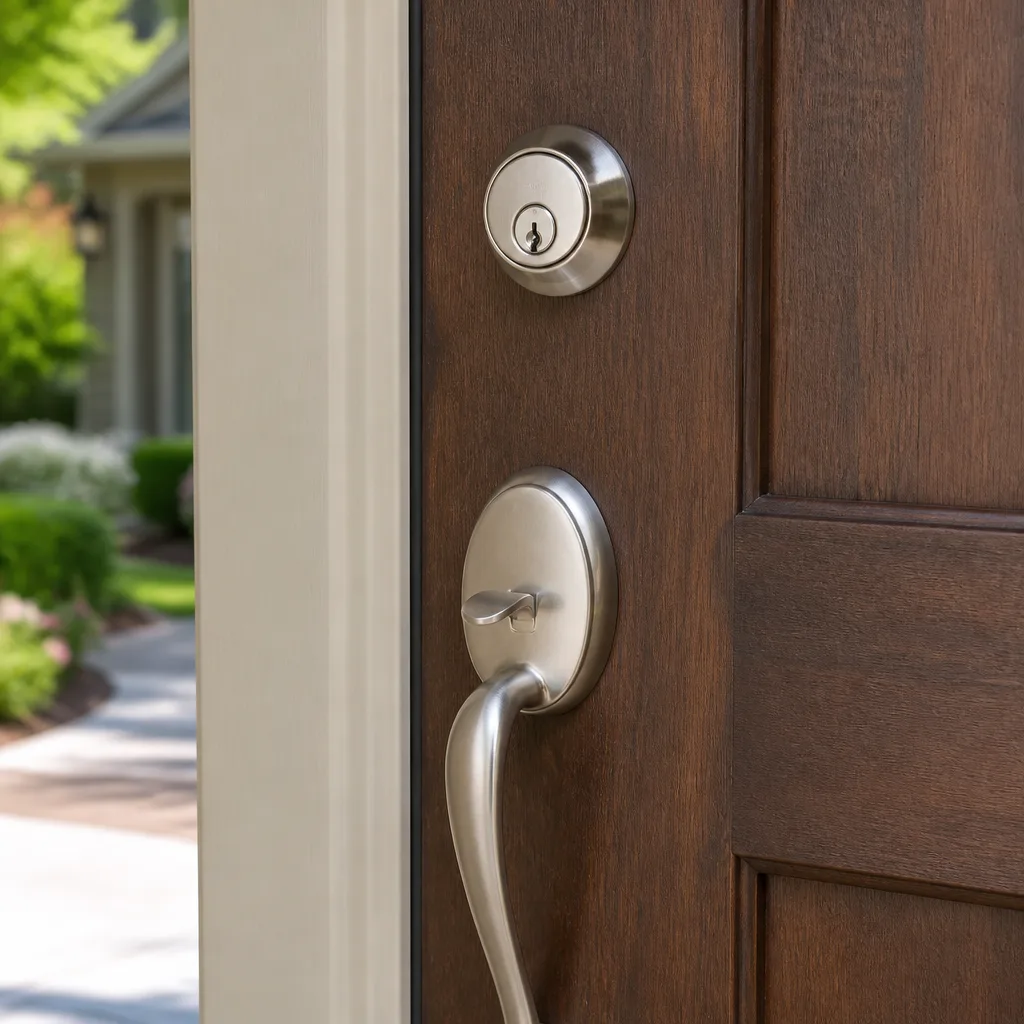 Deadbolt upgrades
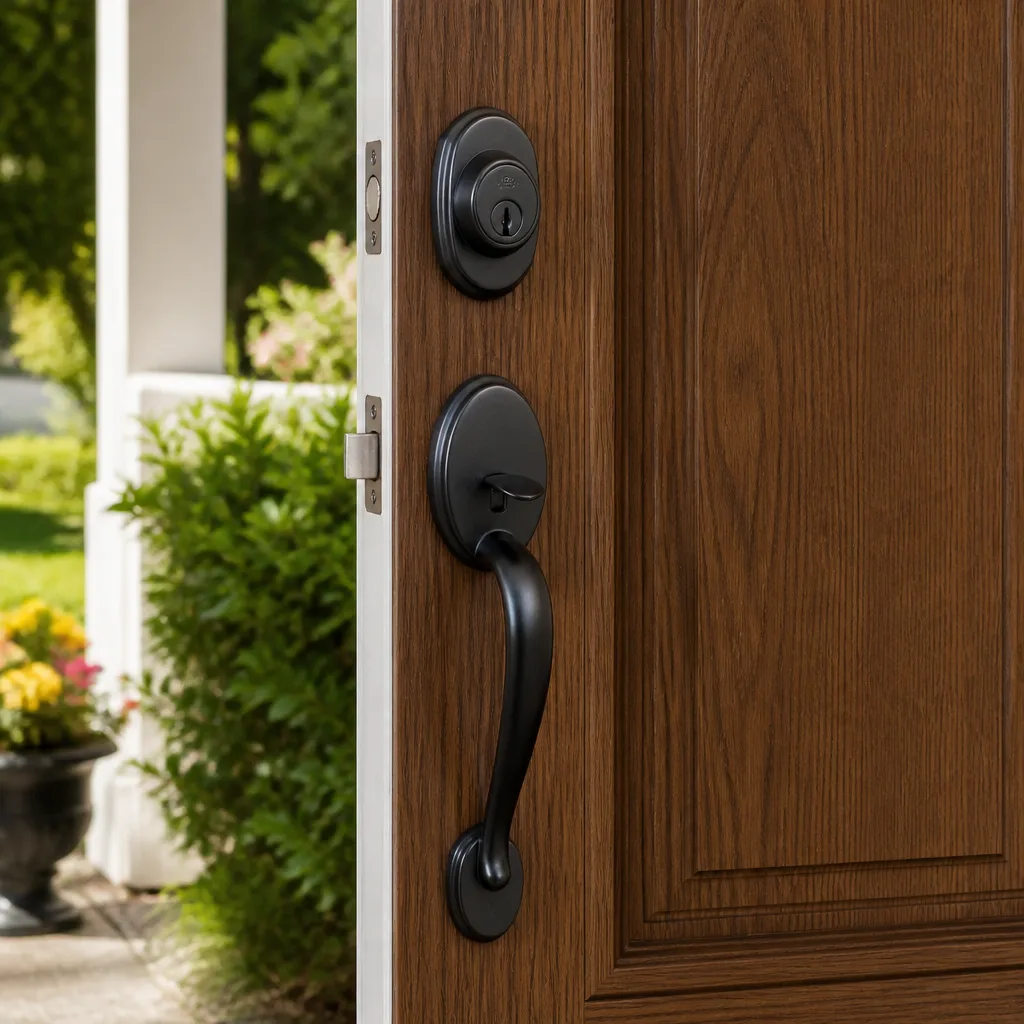 Schlage
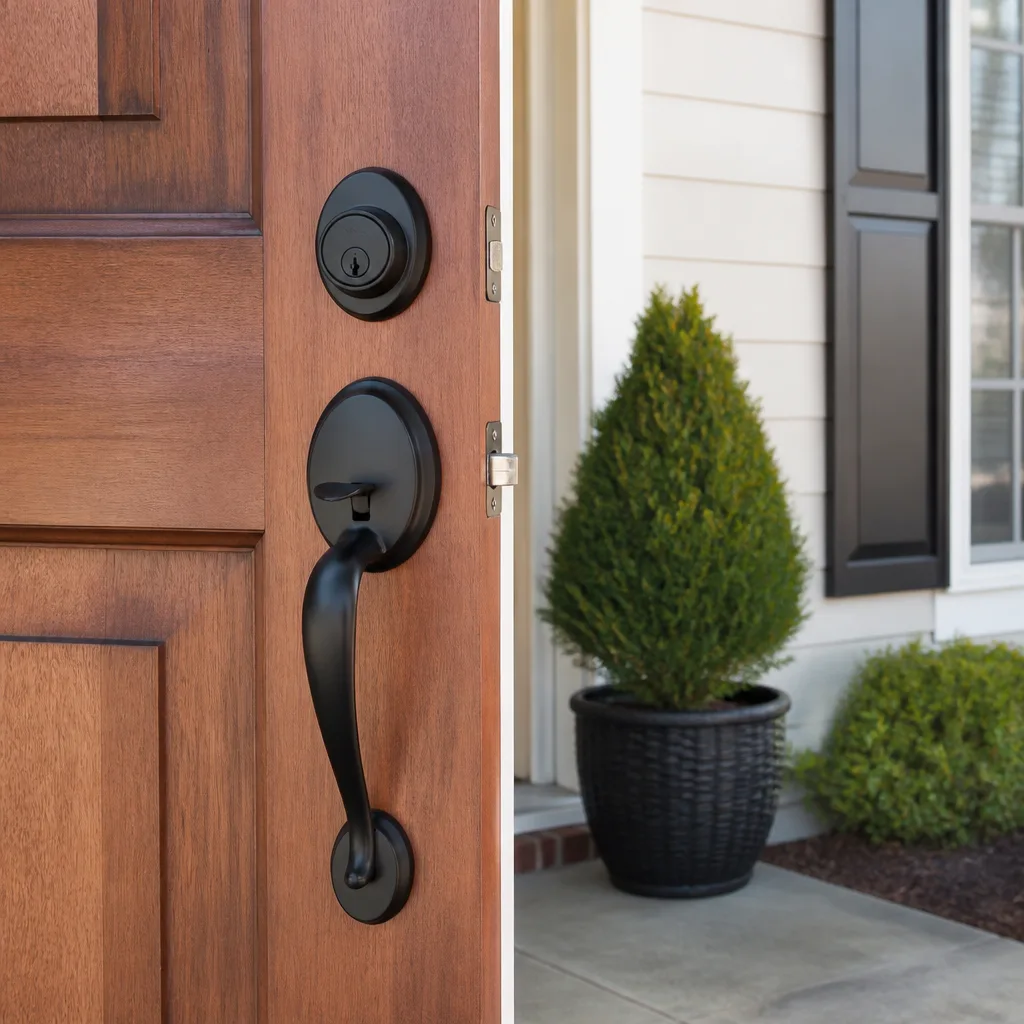 Kwikset
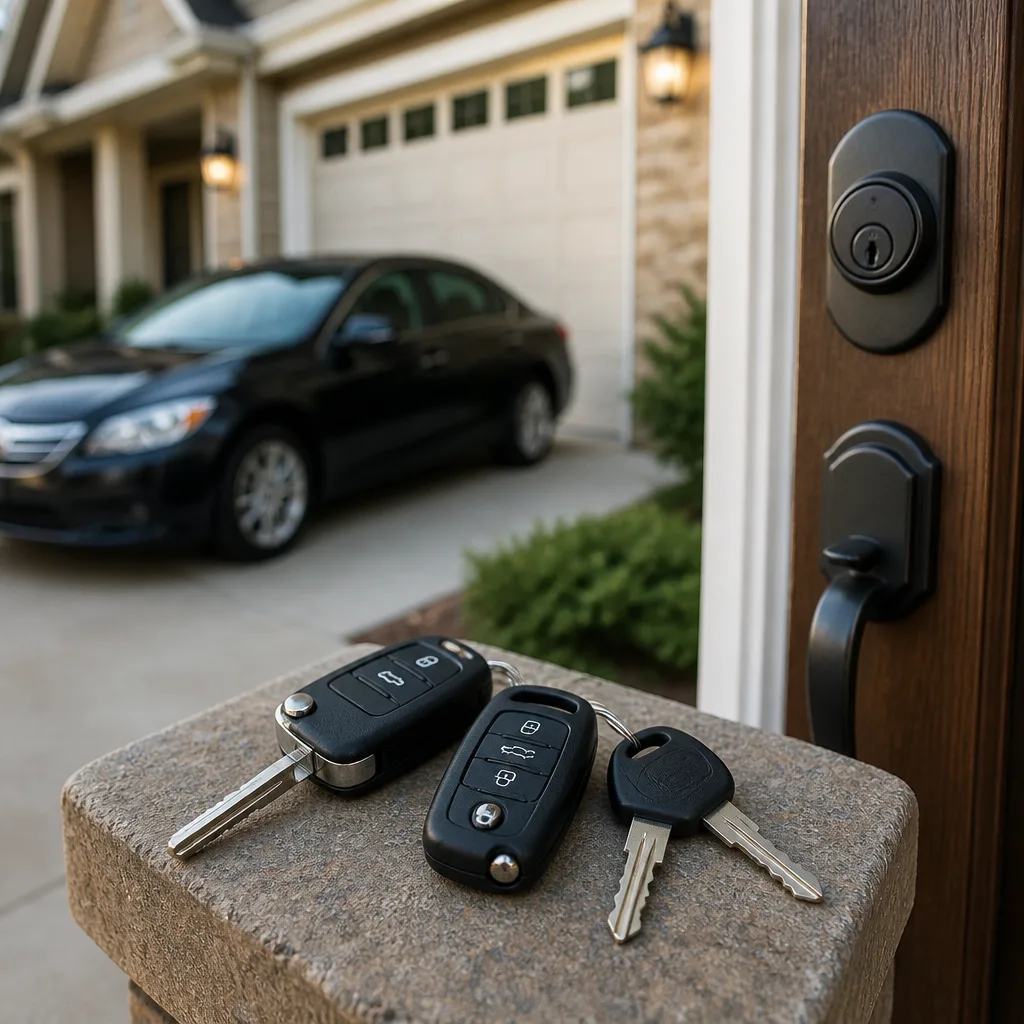 Car keys & fobs
Non-destructive entry first, always - and we re-key Schlage, Kwikset, and Baldwin locks on the spot while you watch
You get a price before we start. It does not change when we arrive. No surprises.
Get your free estimateLocksmith Emergency Preparedness Guide for Torrance Homes
Most people call a locksmith for the first time during a lockout, which means they’re choosing a stranger with no vetting, under stress, at odd hours; exactly the conditions that make scam operators profitable. The five minutes you spend preparing now eliminate that vulnerability entirely. This guide walks you through building a response plan for the three emergencies Torrance homeowners actually face most: lost keys, break-in recovery, and access disputes. For seasonal locksmith care for Torrance, see our year-round homeowner’s guide. By the time you finish reading, you’ll have a simple, document-ready system that turns a panic moment into a series of calm, deliberate steps.
Quick Answer
A locksmith emergency in Torrance means any moment you lose control of who can access your home, not just being locked out. Watch for locksmith warning signs every Torrance homeowner should know before you need help. To prepare, build a one-page lock emergency card with four specific pieces of information, create a key control log, and know the exact sequence for post-break-in response. Having a pre-vetted locksmith’s number saved means you’ll never call a stranger under stress. Tumbler Lock & Key provides emergency response, car key replacement, and rekeying across Torrance, handling everything from Kwikset to Medeco hardware on a single call.
Styles & brands we work with
Table of Contents
- The Three Emergencies Torrance Homes Actually Face
- How to Build Your Lock Emergency Card
- Creating a Key Control Log for Your Home
- The Post-Break-In Locksmith Sequence
- Handling Access Disputes Legally and Safely
- Why Torrance Homes Face Unique Lock Risks
- Rekey Trigger Events: When a Security Reset Is Mandatory
- How to Vet a Locksmith Before You Need One
The Three Emergencies Torrance Homes Actually Face
When we say emergency locksmith, most people picture a midnight lockout on a dark porch. That happens, certainly. But after years of responding to calls across Torrance, we’ve learned that the emergencies fall into three distinct patterns, and only one of them is a simple locked-out scenario.
First, lost keys. Not misplaced-and-found-in-the-couch keys; genuinely lost keys, often after a beach trip, a gym visit, or a hike in the nearby canyons. Torrance’s active outdoor culture means keys fall out of pockets at Wilson Park, slip from unzipped bags at Torrance Beach, or vanish somewhere between the car and the Strand. A lost key isn’t just an inconvenience; it’s a standing question: who found it, and do they know where you live?
Second, break-in recovery. A forced door or a jimmied window changes your lock’s status entirely. Even if the lock still works, its integrity may be compromised. Worse, the intruder may have taken keys from inside. We’ve walked into Torrance homes where the deadbolt turned fine but the strike plate was pulled two inches out of the frame; the homeowner didn’t notice for weeks.
Third, access disputes. A roommate who moved out but kept a copy. An ex-partner who won’t return the key. A former house cleaner, dog walker, or contractor who was given a key at some point and never returned it. These situations are common in Torrance’s mix of rental properties, multi-generational households, and shared living arrangements near El Camino College and the aerospace corridor. They’re also the most legally delicate, which we’ll cover in depth below.
Each of these scenarios has a different correct response. Knowing which one you’re facing before you pick up the phone is half the preparation.
How to Build Your Lock Emergency Card
The single most useful preparedness tool we recommend to Torrance homeowners is a physical index card, or a note saved in your phone, containing four specific pieces of information. Most people only try to gather this information during the emergency, which is exactly when stress makes it hard to think clearly.
Here’s what goes on the card:
- The type of lock on your primary door. Is it a Kwikset, Schlage, or something else? Look at the brand stamp on the face of the lock. This matters because a locksmith who knows the hardware can often rekey rather than replace, saving you money. Write it down now while you’re standing at the door.
- The type of key you carry. Is it a standard metal key? A smart key? A high-security key with a card that says “Do Not Duplicate”? Medeco and Mul-T-Lock keys, for example, require special equipment and authorization to copy. Knowing what you have means a faster quote on the phone.
- Who currently has copies. List every person: family members, the neighbor, the house cleaner, the property manager, the ex-roommate who may or may not have returned theirs. This is the raw data for your key control log, which we cover below.
- A pre-vetted locksmith number. Not a number you’ll Google at 2 a.m. A number you’ve already researched, already called, already confirmed is local and legitimate. Save it to the card, save it to your phone, give it to a trusted neighbor. This is the single biggest vulnerability gap for most homeowners, and it takes five minutes to close.
The card lives where you’ll find it during an emergency. Tape it inside a kitchen cabinet, store it in your phone’s notes app, or keep it in your wallet next to your ID. The point is that it exists before the moment you need it.
Creating a Key Control Log for Your Home
After the emergency card, the next preparedness tool is a key control log: a simple written record of every key in circulation for your home. Torrance homeowners who keep this log recover from lost-key events faster and rekey more intelligently. Here’s what to track:
- Each key copy: who has it, when it was issued, and its type. “House key #3, issued March 2024 to house cleaner Maria.”
- The keyway brand and key type. “Front door: Schlage SC1 keyway. Back door: Kwikset KW1.” This helps a locksmith tell you on the phone whether a rekey is straightforward or requires specific hardware.
- Any high-security keys with restricted duplication. If you have a Medeco, Mul-T-Lock, or Abloy key with a card, note the card number and where it’s stored. These keys cannot be duplicated without the card and a certified locksmith; losing both the key and the card means a more involved rekey or replacement.
- Date of last rekey. If the answer is “never since we moved in,” that’s a trigger event right there.
This log is not paranoia; it’s the same discipline commercial buildings apply to their access control systems, shrunk down to the residential scale. The log becomes especially valuable in the access dispute scenarios we cover below, because it gives you a clear picture of exactly who might still have a working key.
The Post-Break-In Locksmith Sequence
A break-in is the most destabilizing lock emergency, and the order of operations matters. Here is the sequence we recommend for Torrance homeowners, in the exact order it should be followed:
- Do not enter the home. If the door is ajar or a window is broken, retreat to a safe distance and call 911. The intruder may still be inside. This seems obvious, but in our experience, many homeowners walk in to check the damage before the police arrive, destroying evidence and putting themselves at risk.
- Wait for the police report. Do not call a locksmith for repairs until the police have completed their initial assessment and filed a report. A locksmith who replaces or rekeys the lock before it’s documented may complicate your insurance claim. The report number is also needed if you later file for rekeying under a homeowner’s or renter’s insurance policy.
- Document the damage yourself. Photograph the door, the frame, the lock, and any items that appear disturbed. Do this before any repairs begin. This is your second layer of documentation, independent of the police report.
- Call your insurance company. Start the claim, even if the damage seems minor. A kicked-in deadbolt often means a split frame and strike plate, which is not a minor repair. Getting the claim open early protects you if hidden damage emerges later.
- Contact a locksmith for a security assessment. This is not just about fixing the lock; it’s about evaluating every entry point. A forced entry on the back door raises the question of whether the front door, windows, and garage are still sound. We’ve found secondary vulnerabilities in a significant share of post-break-in evaluations across Torrance.
- Choose rekey or replacement. If the intruder did not take keys, rekeying the lock may be sufficient and costs less than full replacement. If keys are missing, a full lock replacement or a rekey to a new key that no one else has is the safer route. Your locksmith can advise based on the hardware brand and its condition.
One thing that surprises many homeowners: a rekey is often the smarter choice after a break-in where the lock itself was not damaged. The lock body may be fine; only the internal pins need to change so old keys become useless. That’s a faster, cheaper fix than swapping the entire hardware set.
Handling Access Disputes Legally and Safely
Access disputes are the most under-discussed lock emergency in Torrance, and they’re among the most common. A roommate moves out and doesn’t return the key. A relationship ends and one partner won’t surrender their copy. A former employee, housekeeper, or tenant retains access. What can and cannot be done, and what documentation is required?
First, the legal baseline in California—see our detailed guide on locksmith permits, codes & inspections in CA—if the person has a legal right to occupy the property, a locksmith cannot lock them out. That would be an illegal eviction. We do not rekey a property to exclude a current legal occupant without a court order or clear written documentation confirming the right to exclude them. This is not bureaucracy; it’s protecting you from a self-help eviction lawsuit that would cost far more than the lock change.
What a locksmith can do, with proper documentation, includes:
- Rekeying after a lease has properly ended and the tenant has vacated. A signed move-out checklist, a copy of the lease end date, or communication from the property manager establishes this.
- Rekeying after a domestic violence protective order is issued. A copy of the order is required. This is a scenario where we move fast and handle the call with the seriousness it deserves.
- Rekeying after a roommate is removed from the lease. Written confirmation from the landlord or property manager is needed.
- Rekeying for a homeowner who owns the property outright and has no tenant or co-owner. This is straightforward; no documentation is required beyond identification that matches the property.
What we recommend before calling: gather the documentation first. Have the lease, court order, or property manager’s written confirmation in hand. Without it, the call stalls and the vulnerability remains. With it, the rekey happens the same day, and the person who once had access no longer does.
If you’re in an active dispute without documentation yet, the interim step is to change your own habits: keep the deadbolt locked at all times, install a door chain or a portable door lock, and document every incident. The locksmith solution follows the legal solution, not the reverse.
Why Torrance Homes Face Unique Lock Risks
Torrance has a specific geography and housing pattern that influences lock risk in ways a generic national guide misses. Understanding these local factors explains why Torrance homeowners call locksmiths at higher rates than the region’s average.
Beach proximity is the first factor. Torrance Beach and the Strand draw thousands of visitors daily, and keys are lost to the sand, the ocean, and the parking lots at a steady rate. A key on a yellow floatie keychain, lost at Torrance Beach, is not the same as a key lost in a driveway; the ocean swallows it and returns nothing. We respond to beach-related lost-key calls every week during the summer months.
Apartment and condo density is the second factor. Torrance is home to large multi-unit buildings near Del Amo Fashion Center, along Hawthorne Boulevard, and throughout the coastal and inland residential pockets. In dense buildings, more people move in and out each month, more keys are duplicated, more doors are held for delivery people, and more maintenance staff have master keys. Every unit turnover is a rekey trigger event, and many renters never think to ask their landlord if the locks were changed after the previous tenant.
The third factor is the aerospace and commercial corridor. Many Torrance residents work shifts at companies along the 405 corridor or in the Torrance tech district, meaning they come home at odd hours. A lost key at 3 a.m. after a shift is not a daytime problem, and a locksmith who only works business hours cannot help. This is why emergency availability matters locally, and why we structure our response around the actual hours Torrance people need help, not a 9-to-5 schedule.
Finally, the housing stock itself matters. Many Torrance homes were built between the 1940s and 1970s, which means original hardware is common. Old Kwikset and Schlage locks from that era are solid workmanship, but they’re decades old and often never rekeyed. The pins are worn, the springs are tired, and the keyways are loose. That’s not a break-in waiting to happen if you rekey; it’s a reason to have the hardware assessed by someone who knows these older locks.
Rekey Trigger Events: When a Security Reset Is Mandatory
A rekey is a security reset: the lock stays, the internal pins change, and every old key stops working. It costs significantly less than replacing the entire lock, and it’s the correct response to several specific events. Here are the trigger events that should prompt an automatic rekey for Torrance homeowners:
- Moving into a new home. Whether you bought or rented, you have no idea who has copies from the previous owner, their family, their contractors, or their real estate agent. Every new Torrance resident should rekey on move-in day. It should be as automatic as changing the address on your driver’s license.
- A key is lost and never recovered. If the key went missing at the beach, in a parking lot, or anywhere else where someone could connect it to your address, rekey. The cost of a rekey is a fraction of the cost of a break-in.
- A roommate, tenant, or house guest moves out. Even if they return the key, you can’t know if they made copies. Rekeying closes that question permanently.
- After a break-in or attempted break-in. Covered in the sequence above, but it bears repeating: any forced entry compels a rekey, whether or not keys were taken.
- After a divorce or separation where keys were shared. This is a high-emotion event, but the logical response is the same: reset access, remove the ambiguity, and give yourself a clean baseline.
- After a contractor, housekeeper, or dog walker ends their service. Many Torrance homeowners give out keys freely during a service relationship and never think about them after the service ends. The log you built earlier should trigger a review here.
- When you notice a key is bent, cracked, or the lock feels gritty. This is not a rekey trigger per se, but it’s a service trigger. A lock that’s gummed up with years of coastal salt air and grime may need servicing rather than rekeying, and a good locksmith can tell you which.
If none of these events have occurred for more than five years, consider a proactive rekey anyway. Pins wear, keys wear, and the lock that felt tight in 2019 doesn’t feel the same after years of daily use. A five-year reset is cheap insurance for a Torrance home.
How to Vet a Locksmith Before You Need One
The entire point of preparedness is to avoid the 2 a.m. Google search that leads to a scam operator with a bait price and a final bill four times higher. Here’s how to vet a Torrance locksmith on a Tuesday afternoon, not on a Friday night:
- Call the number and ask questions. Does a human answer? Can they tell you, over the phone, how they handle a Schlage versus a Kwikset rekey? A real locksmith can. A call-center dispatch can’t.
- Ask about their brand familiarity. If you have a Medeco or a Mul-T-Lock, ask if they service these lines. Many locksmiths don’t. Knowing whether your hardware is within their capability matters before the emergency, not during it.
- Ask for a full-price quote over the phone. The price quoted should be the price on the invoice, full stop. If they won’t commit to a number before dispatching, that’s your warning sign. We quote the full price on the phone before anyone is dispatched, and that’s the price you’ll see on the final invoice; no call-out surcharge added when we arrive.
- Check that they don’t subcontract. The person who answers should be the person who arrives, or at least from the same company. A handoff to an unknown third party is how bait-pricing scams work.
- Confirm they handle both lockouts and rekeying, plus automotive if relevant. A full-spectrum locksmith means one number covers your house, your car, and your business. When a Torrance homeowner locks their keys in the car and then can’t get into the house, that’s one call, not two. We handle car key replacement in Torrance alongside every residential service.
Vetting takes ten minutes on a slow afternoon. It’s the difference between a calm emergency response and a costly mistake made under pressure.
Your 15-Minute Preparedness Plan
Let’s turn everything in this guide into a concrete action plan you can complete in a quarter hour. If you do nothing else, do this:
- Look at your front door lock right now. Read the brand name. Write it down.
- Write your lock emergency card. Lock type, key type, who has copies, and one phone number. Save it to your phone and put a physical copy somewhere accessible.
- Start a key control log. A note on your phone is enough. List every key and every holder.
- Check your rekey history. When was the last time you rekeyed? If the answer is “when I moved in” and that was more than five years ago, schedule a rekey.
- Call a locksmith now, during business hours, and have a conversation. Vet them. Ask the questions above. Save the number as your emergency contact. If they pass the vet, you’re done. If they don’t, find another.
Five steps, fifteen minutes, and the vulnerability of the unprepared homeowner is gone.
Common Mistakes to Avoid
- Calling the first number that appears in a panic search. Scam operators buy paid ads at the top of search results specifically to catch people in emergencies. Pre-vet your locksmith before you need one.
- Not rekeying after moving into a new Torrance home. You don’t know who has keys from before. This is the single most common security gap we see across the city.
- Giving a key to a contractor, housekeeper, or dog walker without logging it. An unlogged key is a key you’ll forget about and never recover. Log it, then rekey when the service ends.
- Walking into your home after a break-in before the police arrive. You may be entering an occupied home, and you’re definitely compromising evidence. Wait for law enforcement.
- Attempting to rekey or change a lock yourself without understanding the hardware. Some Torrance homes have high-security cylinders like Medeco or Mul-T-Lock that require specialized tools and training. A botched DIY job on these locks means a more expensive repair.
- Asking a locksmith to lock out a roommate or ex without legal documentation. This exposes you to serious legal liability in California. Resolve the legal standing first, then the lock.
- Assuming a working lock means a secure lock. A lock that turns smoothly can still have compromised pins, a split strike plate, or a key history you don’t know. Security is about who has access, not whether the bolt slides.
When to Call a Professional
Call a locksmith when you’re locked out and can’t safely re-enter, when a key is lost and you can’t account for it, when you move into a new Torrance home, when you end a relationship or roommate arrangement, after any break-in or attempted break-in, when your key breaks in the lock, when the lock feels stiff or gritty after years of coastal air, when you need a high-security lock serviced, or when you simply need a professional opinion on your access control. Tumbler Lock & Key offers free estimates in Torrance; call (877) 265-3856 and you’ll get an honest assessment of what’s needed, what’s optional, and what it costs before anyone is dispatched.
Frequently Asked Questions
Emergency locksmith service in Torrance typically costs between $75 and $250 depending on the time, the type of lock, and whether a rekey or replacement is required. The price quoted on the phone at Emergency Locksmith in Torrance is the price on the invoice, with no added call-out surcharge. Call (877) 265-3856 for an exact quote before anyone is dispatched.
Yes, and rekeying is usually the smarter, cheaper option when the lock hardware is in good condition. A rekey changes the internal pins so old keys stop working, and it works for most brands including Schlage, Kwikset, Medeco, and others. Rekey Locks in Torrance covers the full rekey service, including after a move, a lost key, or a change in household members.
If your keys are lost and can’t be located, the security-correct response is rekeying your locks, not just replacing the key. If the lost key was a high-security type like a Medeco or Mul-T-Lock with a card, you’ll need a locksmith certified for those lines to handle the rekey. Call (877) 265-3856 and explain what you lost; we’ll tell you on the phone whether rekey, replacement, or both is the right call.
Response time in Torrance depends on your location and the current call volume, but our emergency service is structured around the actual hours people need help, including late-night lockouts after shift work in the aerospace corridor. Call (877) 265-3856 and we’ll give you a realistic arrival window, not a vague promise. Full price is quoted before dispatch.
Yes, if the key snapped in the lock, a locksmith can extract the broken piece and cut a new key from the remains. The process is straightforward for standard Kwikset and Schlage keys, and we handle it regularly. Call (877) 265-3856 and describe the break; we’ll tell you what to expect before we arrive.
Yes, every time. Even if the roommate returns their key, you cannot know whether copies were made. A rekey resets access and removes the ambiguity permanently. If the roommate was on a lease, have the documentation from your landlord ready before calling. Tumbler Lock & Key home has the full rekey service detail and the phone number for a same-day appointment.
The Bottom Line
A locksmith emergency in Torrance is not a random event; it’s a predictable one with three common triggers, and preparedness removes the panic from all three. Build your lock emergency card today. Start a key control log. Know your rekey triggers and act on them. Vet a locksmith now, during daylight, when you can ask questions without stress. When the moment comes, whether it’s a lost key at the beach, a break-in aftermath, or an access dispute with a former roommate, you’ll make one calm call to a number you already trust. That’s the difference between a crisis and an inconvenience, and it costs five minutes and a piece of paper.
Written by the team at Tumbler Lock & Key, serving Torrance since 2015.