Last updated October 31, 2026
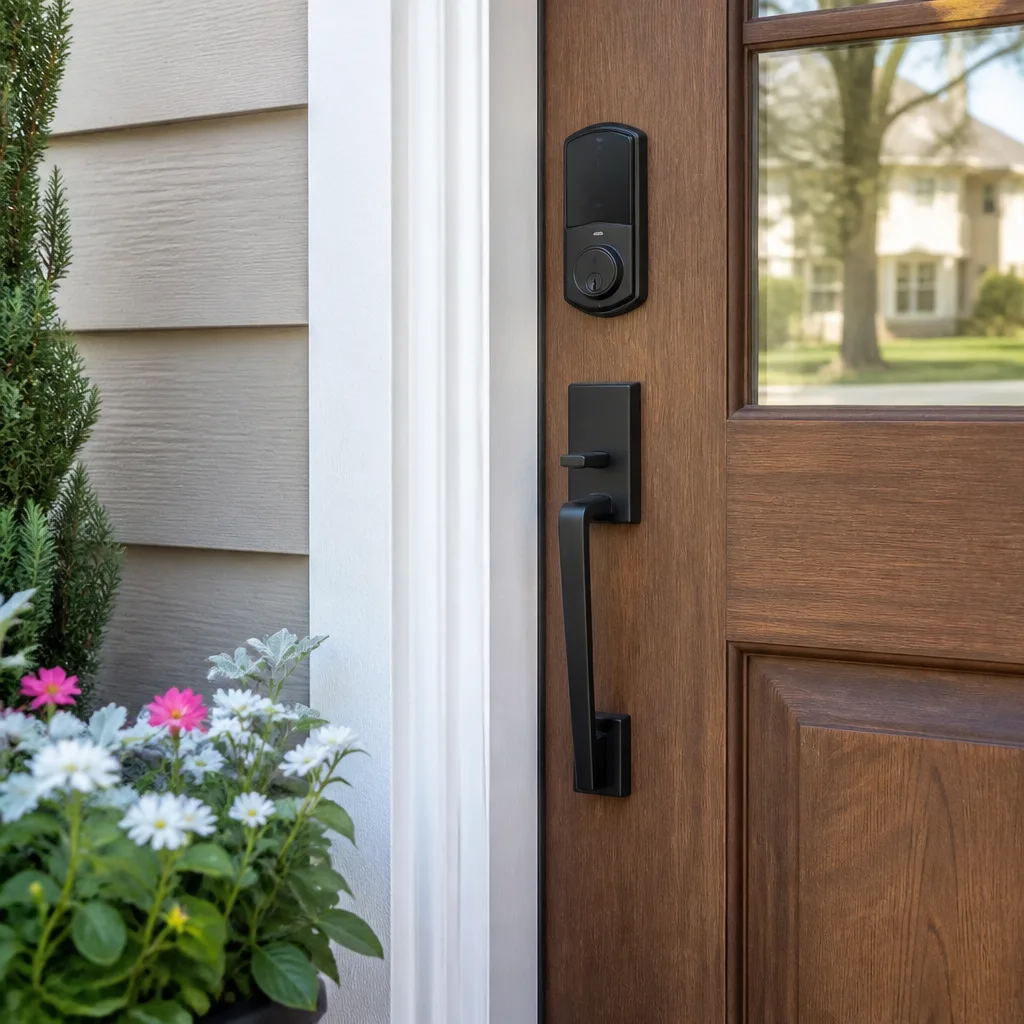 Smart locks
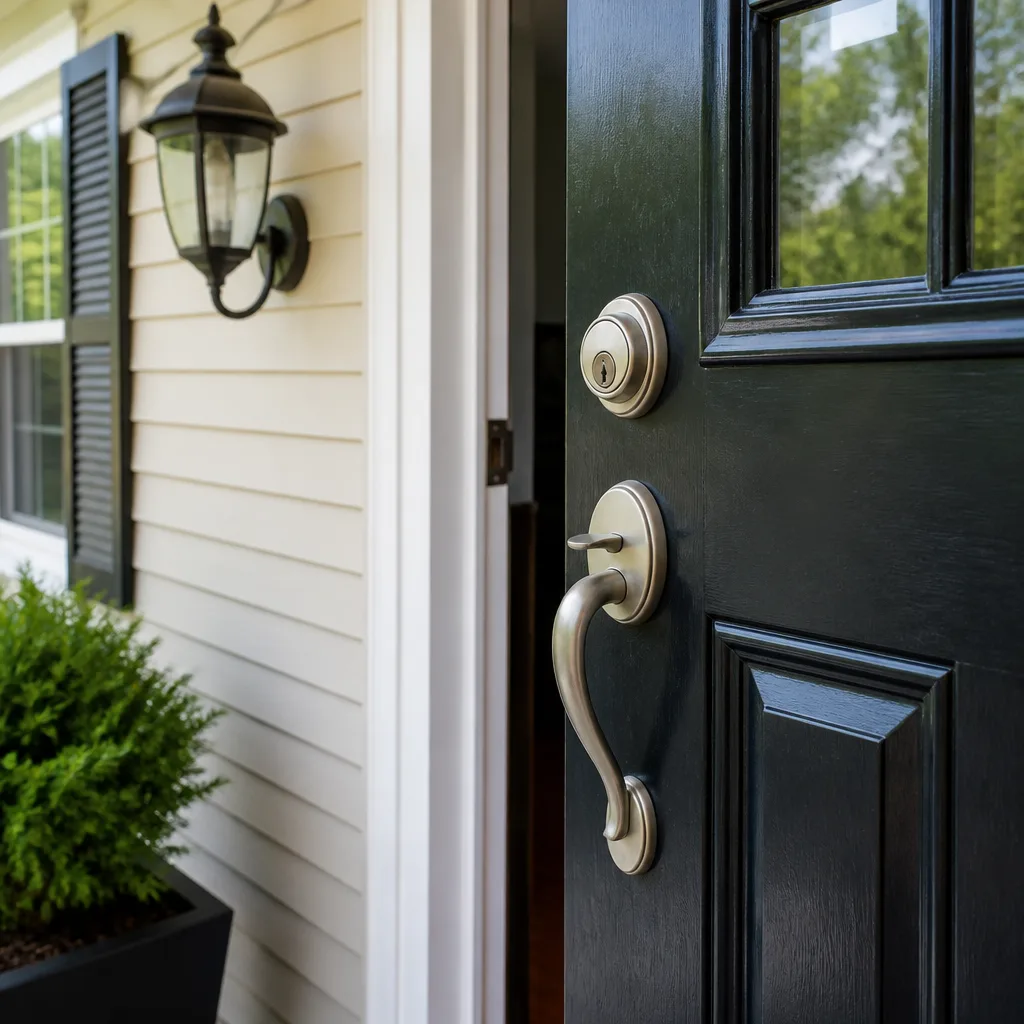 House lockouts
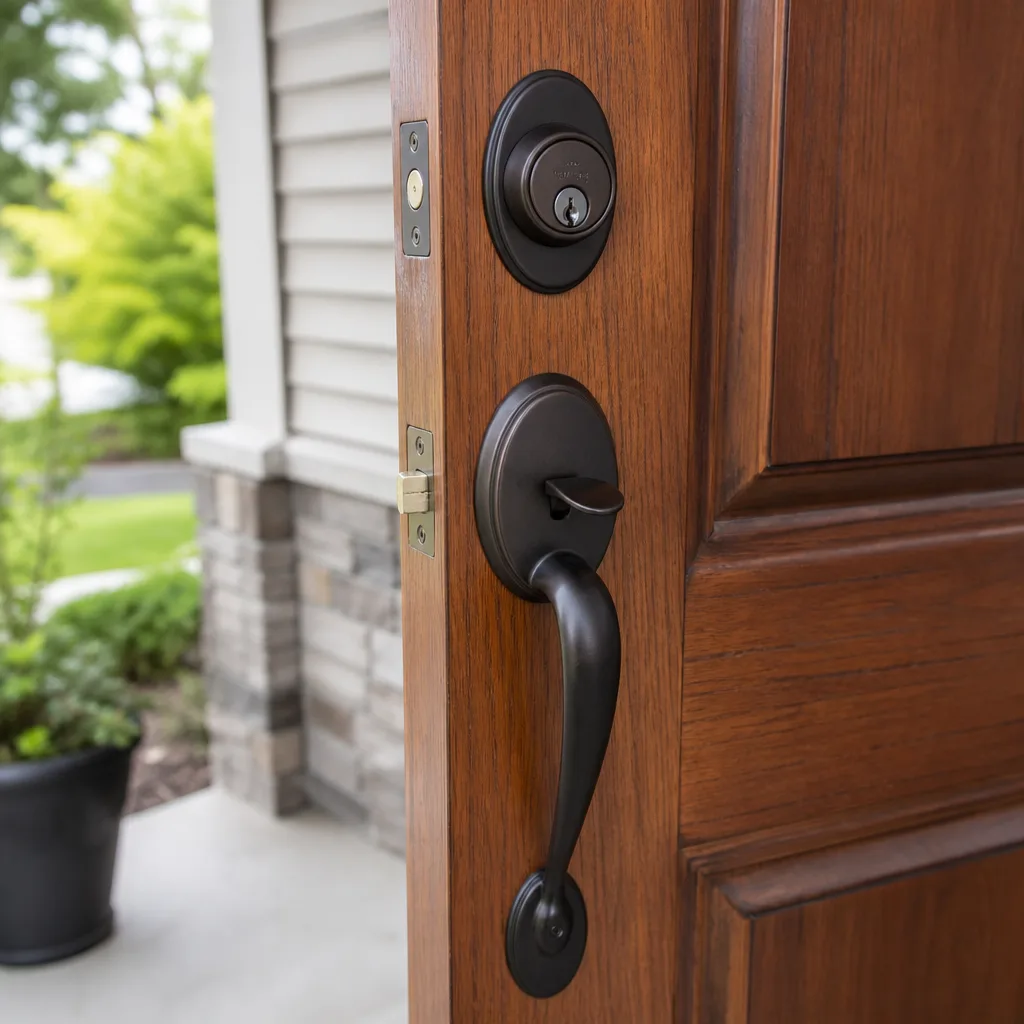 Re-keying
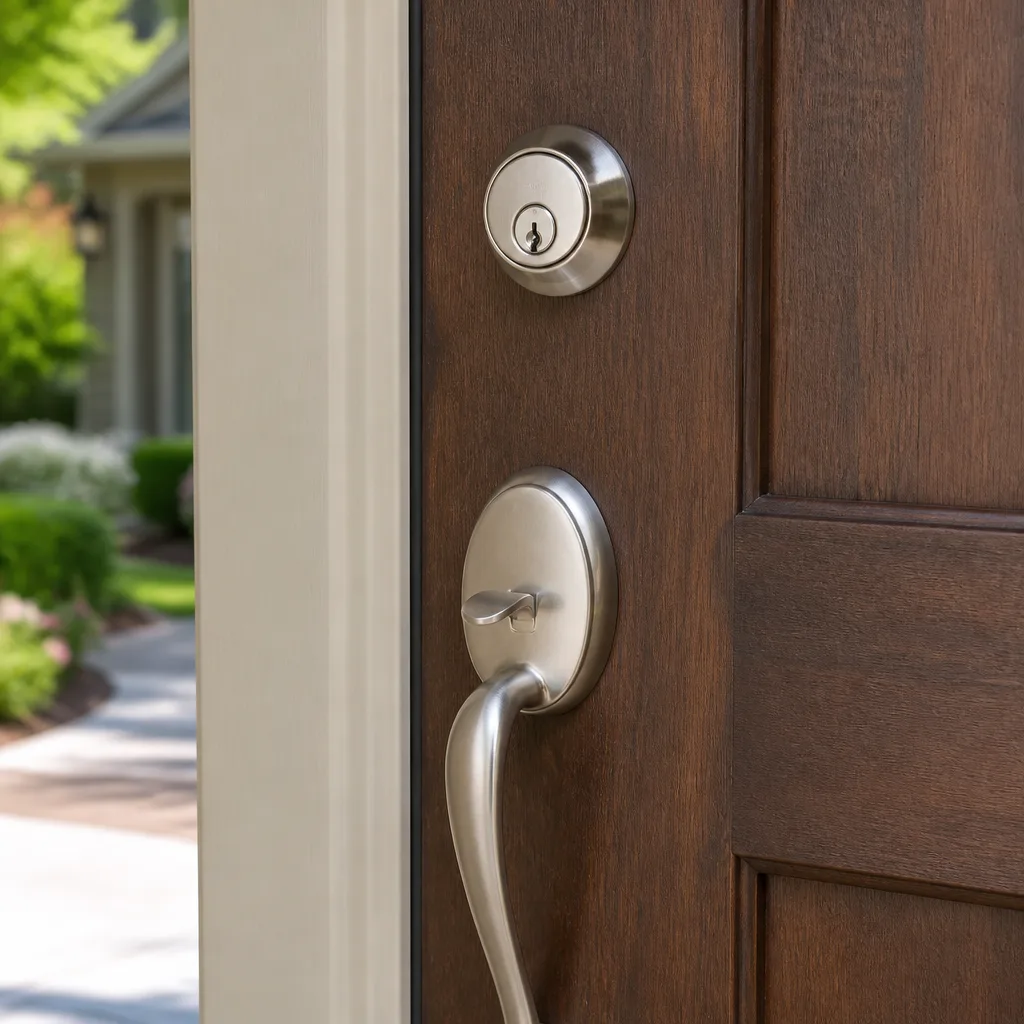 Deadbolt upgrades
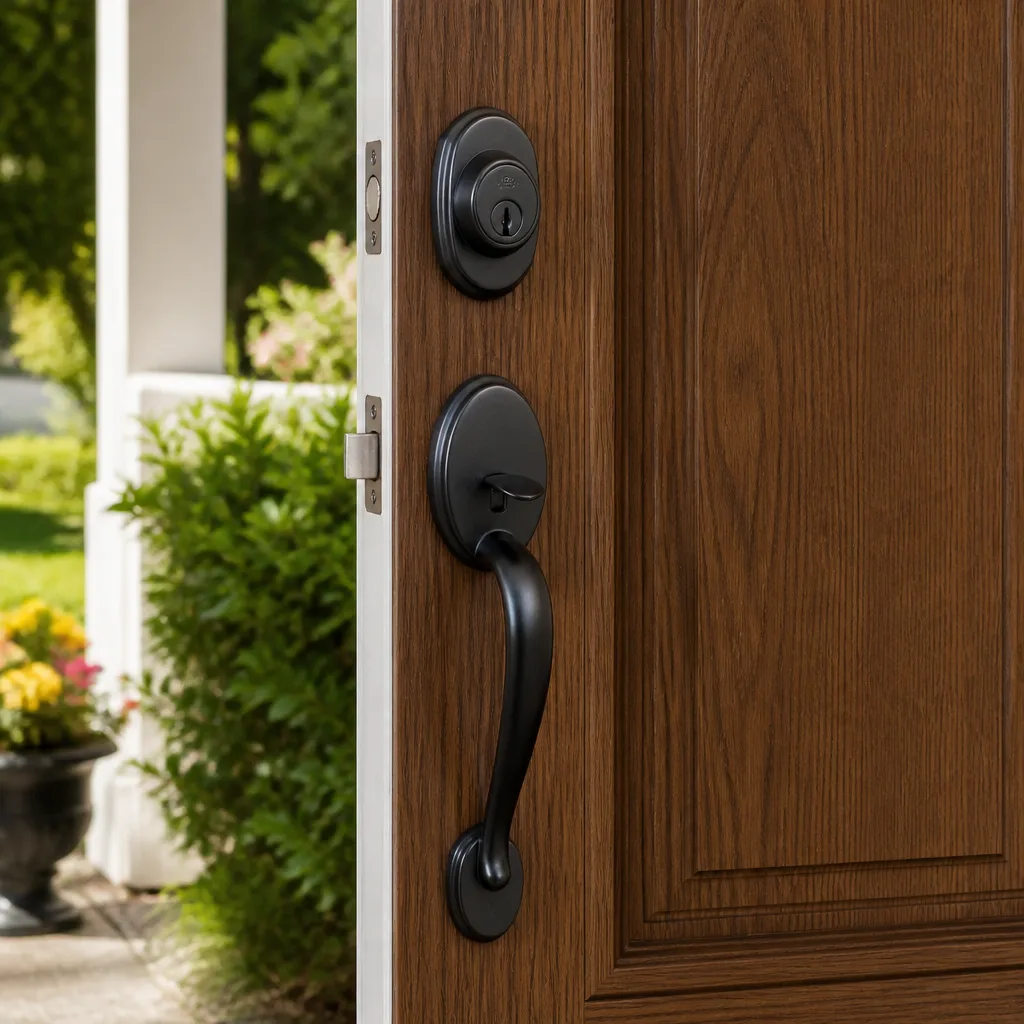 Schlage
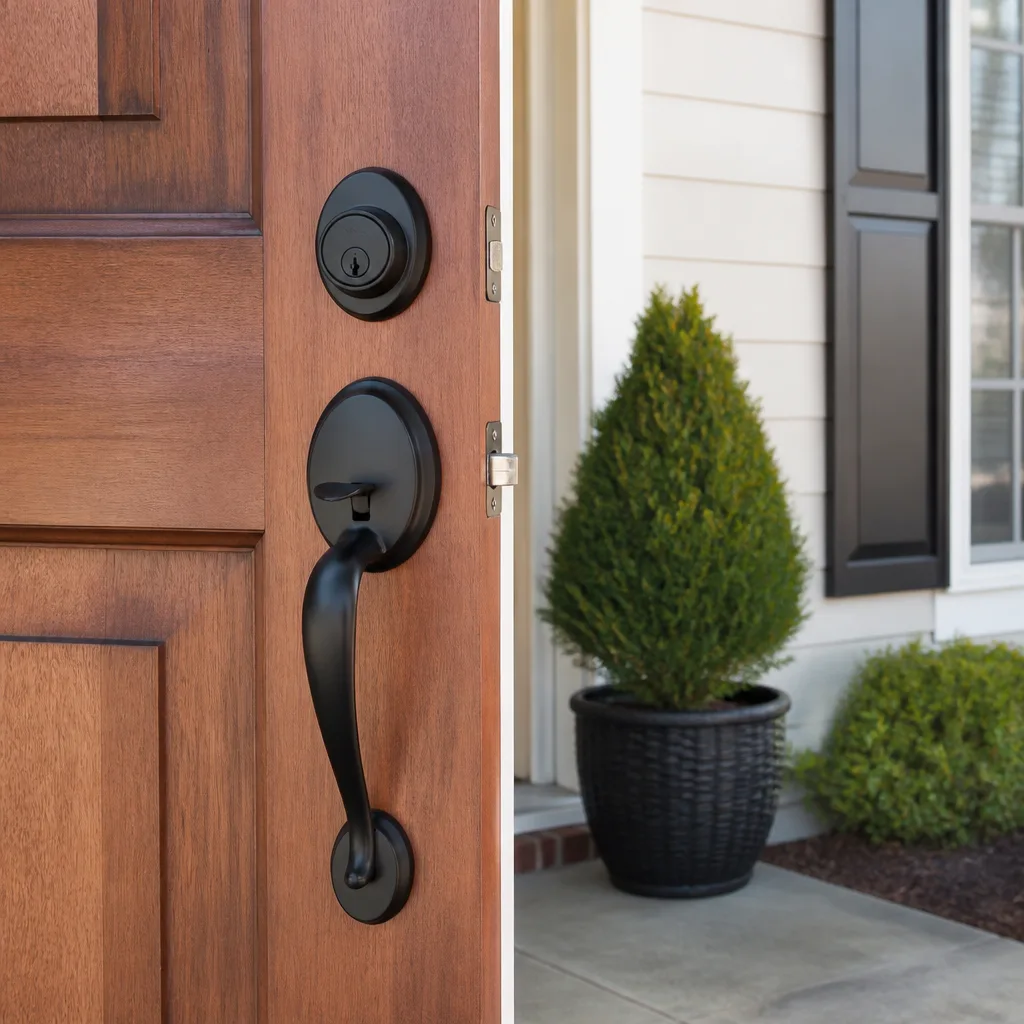 Kwikset
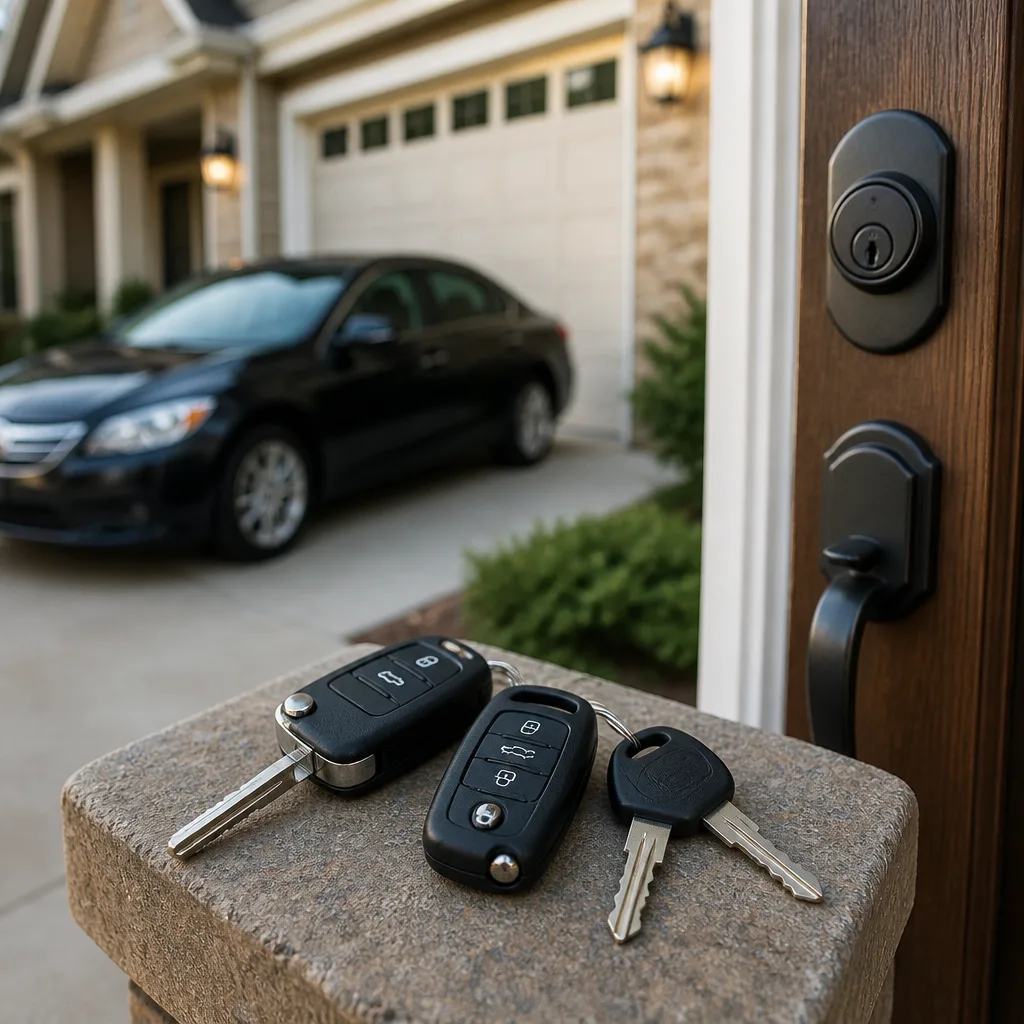 Car keys & fobs
Non-destructive entry first, always - and we re-key Schlage, Kwikset, and Baldwin locks on the spot while you watch
You get a price before we start. It does not change when we arrive. No surprises.
Get your free estimateLocksmith Warning Signs: A Torrance Homeowner’s Reference Guide
A lock that feels slightly gritty when you turn the key is not just annoying. It’s the cylinder telling you its pins are corroded or worn to the point where a bump key or pick might work more easily than your actual key does. Most Torrance homeowners don’t get robbed by a dramatic door-kicking burglar. They get hit because a lock was quietly failing for months and nobody read the signs. This guide teaches you to read your hardware the way a locksmith does, so you catch problems while they’re still cheap to fix.
Quick Answer
The most common warning signs you need a locksmith in Torrance are a key that grinds or catches when turning, a deadbolt that doesn’t fully throw, a door that no longer closes flush with the frame, keypad buttons that respond inconsistently, and scratches or tool marks around the keyway. Any one of these means the lock is failing or has been tampered with. Catching them early usually means a rekey or cylinder replacement instead of an emergency lockout or full lockset replacement.
Styles & brands we work with
Table of Contents
- The Five Physical Sensations of a Failing Lock Cylinder
- Door Alignment Problems That Stress Your Lock
- Electronic Lock Warning Signs Most People Miss
- How to Spot Signs of Tampering on Your Lock
- Rekey vs. Replace the Cylinder vs. Replace the Lockset
- What Torrance Homeowners Specifically Should Know
- Common Mistakes to Avoid
- When to Call a Professional
The Five Physical Sensations of a Failing Lock Cylinder
A lock cylinder is a mechanical device with five or six spring-loaded pins. Every time you insert a key and turn it, those pins slide, compress, and reset. After thousands of cycles, or after years of exposure to coastal air, the pins wear down or corrode. That wear shows up as physical sensations you can feel in your fingers. Here are the five sensations we see most often across Torrance and what each one means.
1. Grinding when turning the key
If turning the key feels like dragging it through sand, the pins inside the cylinder are no longer sliding smoothly. This usually means corrosion or debris inside the pin chambers. Torrance’s coastal proximity accelerates this. Salt-laden air makes its way through the keyway and settles on brass pins, where it slowly oxidizes them. A lock that grinds today will eventually seize entirely, usually when you’re running late or it’s raining. A rekey job in Torrance often resolves this, because the locksmith disassembles the cylinder, cleans the chambers, and installs fresh pins.
2. Catching or sticking at specific points
When the key turns freely for half the rotation and then catches hard at a specific point, one or more pins are worn to a different length than the key expects. The key pushes that pin too high or not high enough, and it snags on the shear line. This is a warning sign that the lock is mechanically degrading. Left alone, the catch point becomes a full stop, and the key will eventually refuse to turn at all. At that point, you are locked out or locked in.
3. Sluggishness in both directions
A healthy lock has a crisp, mechanical feel. You feel the spring tension in the pins and the solid clunk of the plug rotating. A sluggish lock feels soft, almost mushy. This typically means the internal lubricant has broken down and mixed with dust or metal shavings to form a paste inside the cylinder. Some people try spraying WD-40 into the keyway. We do not recommend this. It is a temporary fix that leaves behind a residue which attracts more grime. The cylinder needs to be removed, cleaned, and properly lubricated with a dry graphite or PTFE product.
4. Key wobble
When you insert the key and it wiggles noticeably from side to side, the keyway itself has worn wide. This happens faster on older Kwikset cylinders, which use softer brass than premium hardware like Medeco or Yale. A worn keyway means the key is no longer aligned precisely with the pins, which accelerates pin wear and makes the lock easier to pick or bump. Key wobble is a signal that the cylinder is nearing the end of its service life. Replacement is usually cheaper than nursing it along.
5. False-set: the lock feels locked but isn’t
A false-set happens when you turn the key, hear the deadbolt throw, but the door can still be pushed open with a shoulder. The deadbolt didn’t fully extend into the strike plate. Sometimes this is a cylinder problem: the plug rotated enough to feel “locked” but the tailpiece didn’t carry the motion fully to the bolt. Other times it’s a door alignment issue, which we cover below. Either way, a false-set is dangerous because it gives you confidence without providing security. If you’ve ever come home to find a door you were sure you locked is open, you’ve experienced it.
These five sensations are not normal wear-and-tear to tolerate. They’re early mechanical failure. A cylinder that is serviced at the grinding stage costs less than the same cylinder after it seizes at midnight. That’s the entire point of this guide.
Door Alignment Problems That Stress Your Lock
A surprising number of lock failures in Torrance are not actually lock failures. They are door failures. When a door shifts out of alignment, the lock takes the abuse. The deadbolt grinds against the strike plate. The latch bends. The cylinder twists under stress every time you force the door closed. Over time, good hardware gets destroyed by a door that is no longer square. Here is how to tell what’s going on with your door.
Foundation settling vs. hinge sag vs. strike plate misalignment
Torrance sits on a mix of soil types, and the older neighborhoods in the north and central parts of the city have homes that shift subtly over decades. Foundation settling is common. You can identify it by looking at the gap between the door and the frame. If the gap is wider at the top than the bottom, the frame is no longer square, which usually points to settling below. If the gap is wider on the latch side than the hinge side, the hinges are likely sagging.
Hinge sag is simpler to diagnose. Open the door halfway and lift it by the handle. If you feel play, or if the door visibly drops when you release it, the hinge screws are loose or the hinges themselves are worn. Tightening the screws is a five-minute fix. If the screws spin without biting, use longer screws that reach the framing behind the jamb.
Strike plate misalignment is the easiest problem to spot. Close the door slowly and watch where the latch bolt hits the strike plate. A visible scrape mark above or below the plate opening tells you the door has shifted. Sometimes the fix is just filing the plate opening slightly larger. Sometimes it means moving the plate, which is a locksmith-grade adjustment if you want it done cleanly.
What lock stress looks like
When a door misaligns, the deadbolt or latch no longer enters the strike plate cleanly. You’ll see metal shavings on the bolt. You’ll feel resistance when you throw the deadbolt, even with the door fully closed. The key will feel tight in the cylinder because the bolt is binding against the strike plate and pushing back through the lock mechanism. This is a lock being slowly destroyed by a door problem.
The fix order matters. Fix the door first, then service the lock. If you replace the lockset without addressing the alignment, the new hardware begins its life under the same stress and fails early. We have walked into Torrance homes where the owner has gone through two or three deadbolts in five years, convinced the hardware was defective, when the real problem was a sagging hinge that never got fixed. An emergency locksmith in Torrance sees this pattern constantly.
Electronic Lock Warning Signs Most People Miss
Electronic locks and keypads fail differently than mechanical locks. They do not grind or wobble the way a pin-tumbler cylinder does. Instead, they send signals through their behavior. The problem is that most people do not know how to read those signals. Here are the warning signs specific to electronic entry systems and what each one indicates.
Delayed response after entering the code
If there’s a noticeable pause between pressing the last digit and hearing the bolt retract, the lock’s processor is struggling. This is most commonly a battery issue, but not always a simple one. When batteries run low, the lock draws more current to operate the motor, and response time increases. If fresh batteries do not fix the delay, the motor itself is wearing out, or the gear train inside the lock has developed friction from wear or contamination.
Partial backlight or flickering keypad
Many electronic locks have a backlit keypad. If some buttons are dim, or the backlight flickers, or it doesn’t light up at all, the control board is failing. This is not a cosmetic problem. The same board that drives the backlight also validates codes and controls the motor. A flickering backlight often precedes a complete electronics failure, which can leave you locked out with no manual key override if you do not have one. Baldwin and Yale electronic locks are generally reliable, but their circuit boards are sensitive to moisture and temperature swings. Torrance’s marine layer means humidity exposure even when it is not raining.
Inconsistent unlock: works sometimes, not others
This is the most maddening electronic lock symptom. The code works in the morning but not the afternoon. It works for one family member but not another. Inconsistent unlock behavior usually means one of three things: failing batteries under load, a misaligned bolt that sometimes binds, or a keypad membrane where specific buttons are no longer registering reliably. The membrane issue is common on older keypads with physical rubber buttons that wear and crack after years of use.
Physical resistance on the turn knob
Electronic deadbolts still have a manual turn knob on the inside. If that knob feels stiff or gritty, the gear mechanism between the motor and the bolt is binding. This can also mean the bolt is misaligned with the strike plate and bending under load. Do not force it. A forced turn on a motor-geared deadbolt can strip the plastic gears inside, turning a $50 repair into a full lockset replacement.
Electronic locks need the same periodic servicing as mechanical locks: cleaning, lubrication, battery replacement, and bolt alignment checks. Most homeowners treat them as install-and-forget. That approach is exactly what turns a minor issue into a lockout or a failed lock at the worst possible moment.
How to Spot Signs of Tampering on Your Lock
Burglars rarely leave dramatic evidence. They leave small marks that most people never notice. Learning to distinguish tampering from normal wear is one of the most practical security skills a Torrance homeowner can develop. Here is what to look for when you examine your own locks.
Scratches around the keyway
Normal key insertion produces a predictable wear pattern: a slightly polished area directly below the keyway where the key shoulder rubs during normal use. Tampering looks different. A pick or bump key leaves irregular scratches, often fine and linear, at odd angles around the keyway. A tension wrench will leave marks on the bottom edge of the keyway, sometimes visible as a small curved scratch. Fresh scratches around a lock that has been on the door for years deserve attention.
Tool marks on the face plate or cylinder
If someone attempted to drill the lock or twist the cylinder with a tool, the marks are usually visible on the face plate or the cylinder itself. Look for small circular marks from a drill bit, or deformation of the cylinder face where a screwdriver or pry tool was inserted. These are not subtle. A lock that has been attacked with tools usually needs professional attention because the internal components may be damaged even if the attack failed.
Shifted or loose hardware
If the lock plate is suddenly loose, or the screws are backing out on their own, someone may have been working on the lock. Normal use does not loosen a properly installed lockset. A loose cylinder, a deadbolt that rattles in the door, or a strike plate that has moved slightly all suggest that someone applied force to the assembly.
Normal wear vs. tampering: a practical guide
- Normal wear: Polished area below keyway, slightly faded finish, key works smoothly, wear is symmetric and gradual.
- Tampering: Fine scratches at odd angles around keyway, fresh marks on metal, loose hardware, sudden change in key feel, door or frame shows pry marks.
- What to do: If you suspect tampering, change the locks or rekey immediately. A tamper attempt that failed once may be followed by a more sophisticated attempt later.
If you find tampering evidence on a Medeco or Mul-T-Lock high-security cylinder, this is especially serious. These locks are specifically designed to resist manipulation, so visible marks mean someone spent real time and effort trying to defeat them. The cylinder may still function, but it should be inspected and likely replaced to restore its security rating. High-security hardware is only as good as its condition.
Rekey vs. Replace the Cylinder vs. Replace the Lockset
When a lock shows warning signs, not every situation requires the same fix. Knowing the difference between a rekey, a cylinder replacement, and a full lockset replacement saves you money and keeps your hardware at the right security level. Here is how we approach the decision in Torrance homes.
When a rekey is the right call
Rekeying is changing the internal pins so that a new key operates the existing lock. The lock hardware itself stays on the door. Rekeying is the right call when: you’ve lost a key and want to invalidate it, you’ve moved into a new home and do not know who has copies, you’ve had a tenant move out, or you want multiple locks to work on one key. It is also part of the cleanup after a tampering scare when the lock itself is still mechanically sound. A lock rekey in Torrance is typically the most cost-effective security reset available.
When the cylinder needs replacement
A cylinder replacement swaps out the core where the key goes while keeping the outer hardware, bolt, and trim. This is the right fix when the cylinder has mechanical issues: grinding, key wobble, catching, or corrosion. The cylinder is the precision component, and when it’s worn, the rest of the lockset is often still fine. Replacing just the cylinder costs less than replacing the full lockset and restores factory-smooth operation.
When the entire lockset needs to go
Full lockset replacement is necessary when the structural hardware is compromised. Bent deadbolts, cracked face plates, stripped screw holes, damaged electronic control boards, or a door that has been kicked in all call for new hardware. You may also choose full replacement when upgrading security grade: swapping a builder-grade Kwikset for a Baldwin or Yale lockset with a higher ANSI grade. The key question is whether the existing hardware can still do its job. If the bolt is bent, no rekey will fix that.
The order of decision should be: diagnose the mechanical condition, assess the security need, and then choose the most economical fix that fully addresses both. Locksmiths who default to full replacement on every job are selling hardware, not solutions. We prefer to tell Torrance customers when a $25 rekey job fixes the problem just as well as a $150 hardware swap. That is the difference between a technician and a parts seller.
What Torrance Homeowners Specifically Should Know
Torrance is not a difficult city for locks, but it has specific conditions that affect lock longevity and security behavior. Understanding these local factors helps you know which warning signs are more likely in your neighborhood and why.
Coastal air and brass hardware
The closer you live to the coast, the more salt the air carries. Neighborhoods like South Torrance, Seaside, and Hollywood Riviera see more oxidation on exterior locks than homes further inland. Brass pins and springs corrode faster. A lock that works fine for a decade in North Torrance may start grinding in five years near the water. If you live west of Hawthorne Boulevard, inspect your exterior locks more frequently. If you live east toward the 110, moisture is less of an issue but dust and grime from traffic still work into keyways over time.
Older Torrance housing stock
Much of central Torrance was built in the 1950s and 1960s. Original doors on those homes are often solid wood, which is good, but the frames have had sixty to seventy years to shift. Foundation settling, termite damage, and decades of temperature cycling have left many original frames slightly out of square. If your home still has its original locksets, they’ve had decades of use on a frame that may not be true anymore. Treat any new lock installation in an older Torrance home as a two-part job: the hardware and the frame alignment.
The rental and turnover factor
Torrance has a substantial renter population, including many students and young professionals. If you own a rental property, or if you just moved into a home that was previously rented, you have no way of knowing how many key copies are floating around. A previous tenant may have made copies for roommates, partners, or dog walkers. This is not paranoia, it’s a documented pattern in every city with a high turnover rate. The standard recommendation is to rekey on every change of occupancy, no exceptions. The cost is low. The alternative is giving a stranger access to your home.
Apartment and condo considerations
Torrance has a significant multi-family housing stock, especially in the areas around Del Amo and along Hawthorne and Torrance Boulevards. Condo associations and apartment managers sometimes restrict what owners can change about their door hardware. Before replacing a lockset in a condo, check your HOA rules. Many allow rekeying but not full hardware changes. A locksmith who works in Torrance regularly will know which buildings have which restrictions and can advise accordingly.
Common Mistakes to Avoid
- Ignoring a stiff key because “it still works.” The stiff key is the early warning. By the time it stops working entirely, you’re facing a lockout, a broken key in the cylinder, or a damaged lock that costs more to repair. Stiffness is never going to fix itself.
- Spraying lubricant into a lock without disassembly. Spray lubricants, especially WD-40, temporarily free up a cylinder but leave behind a sticky residue that attracts dust and accelerates wear. The proper fix is disassembly, cleaning, and a dry lubricant. Torrance’s dry, dusty summers make spray residue especially problematic.
- Replacing hardware without checking door alignment. A new deadbolt on a misaligned door is a new deadbolt being slowly destroyed. This is the most common cause of repeat lock failures we see in Torrance homes. Fix the frame, then replace the lock.
- Using the same key for every lock without thinking through the risk. One key for the front door, back door, garage, and side gate seems convenient, but every additional cylinder keyed alike is another point where the key could be copied or lost. Some keyed-different separation is a security feature, not an inconvenience.
- Assuming electronic locks don’t need maintenance. Electronic locks have batteries, motors, gears, and circuit boards. They need battery replacement, bolt alignment checks, and occasional cleaning. An electronic lock that is never serviced will fail at the worst time.
- Dismissing a false-set as “I must not have locked it.” When a door that you clearly remember locking is found open, the default assumption is human error. That assumption is dangerous. A deadbolt that doesn’t fully throw, or a latch that doesn’t fully seat, is a mechanical problem. Investigate it every time.
When to Call a Professional
Some lock issues are DIY-resolvable: tightening a hinge screw, cleaning an obvious obstruction from a strike plate, replacing batteries in a keypad. But most mechanical cylinder problems, tampering concerns, and high-security hardware situations call for a trained hand.
Call a professional when: the key feels gritty, catches, or wobbles; the door does not close flush and you cannot identify why; the electronic lock behaves inconsistently even after new batteries; you see tool marks or unusual scratches around the keyway; the deadbolt does not fully throw; you have moved into a new home and want the locks rekeyed; or your lock is a high-security brand like Medeco, Mul-T-Lock, or Abloy that requires specialized tools and training.
Tumbler Lock & Key offers free estimates in Torrance – call (877) 265-3856. We handle everything from basic car key replacement in Torrance to high-security cylinder work. From Kwikset to Medeco, one call covers your car, your home, your business.
Frequently Asked Questions
If the lock is mechanically sound and only the key needs to change, rekeying is the right fix. If the key feels gritty, wobbles, or catches, the cylinder itself is worn and needs replacement. If the bolt is bent, the face plate is cracked, or the door has been kicked in, replace the entire lockset. A Tumbler Lock & Key home inspection can tell you which applies in about ten minutes.
The key turning while the door stays shut usually means the tailpiece connecting the cylinder to the bolt has broken, or the bolt is so misaligned it can’t retract. This is a mechanical failure inside the lock, not a key problem. It requires disassembly and parts replacement, not a new key.
A slightly loose doorknob is often just a set screw that needs tightening, but it can also indicate that someone has been pulling or twisting the hardware. Tighten the set screw. If the knob loosens again quickly, or if the entire rose plate is loose, have it inspected. A loose interior component eventually affects how reliably the latch retracts.
Exterior locks in Torrance should be inspected and serviced every two to three years, more frequently if you live within a mile or two of the coast. Servicing means disassembly, cleaning, lubrication, and a check of bolt alignment. This is especially important for homes near South Torrance and the Hollywood Riviera, where salt air works on brass components year-round.
Almost never. Car keys and house keys use different keyways and different cylinder types. However, some newer vehicles use a key fob with a physical backup blade, and that blade is not usable in a residential lock. If you want fewer keys on your ring, the solution is rekeying your home locks to a single common key, not trying to make your car and house match. An automotive key specialist can also reduce the number of separate vehicle keys you carry.
Change the locks or rekey them as soon as possible. Scratches around the keyway that are fresh, irregular, or at unusual angles suggest a manipulation attempt. Even if you’re not sure, the cost of a rekey is far lower than the cost of a break-in. Photograph the marks first, then call a professional.
The Bottom Line
Your locks send signals long before they fail completely. A grinding key, a catching cylinder, a wobbly keyway, a sluggish deadbolt, a false-set: these are not quirks to tolerate. They are mechanical warnings that the hardware is degrading and your security is thinning. Torrance homeowners face specific conditions – coastal air, aging housing stock, rental turnover – that make reading these signs more important here than in many other cities. Catch a lock problem at the grinding stage and you’re looking at a cleanup and rekey. Ignore it and you’re looking at a lockout, a break-in, or a full hardware replacement on a stressed door frame. The difference is attention. Your lock has a name. So do we.
Written by the team at Tumbler Lock & Key, serving Torrance since 2015.