Last updated October 31, 2026
 Smart locks
 House lockouts
 Re-keying
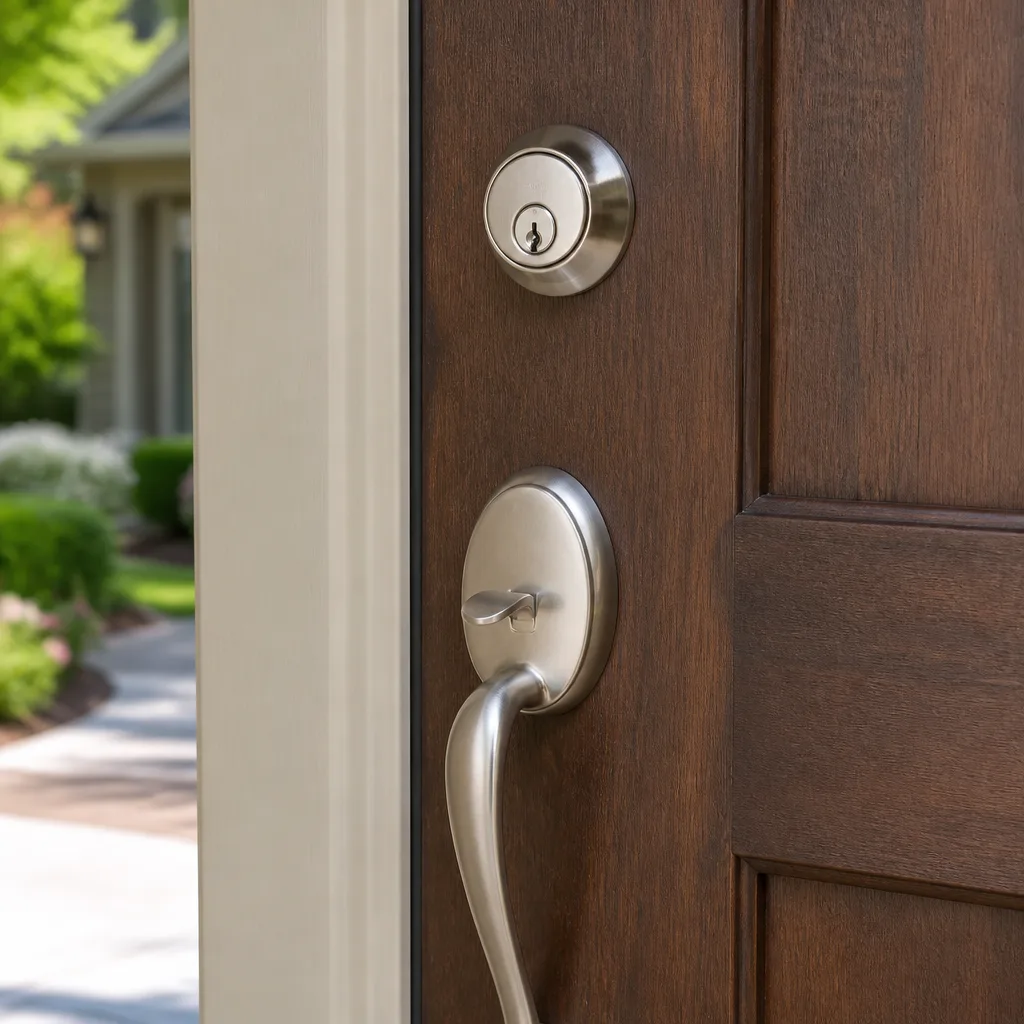 Deadbolt upgrades
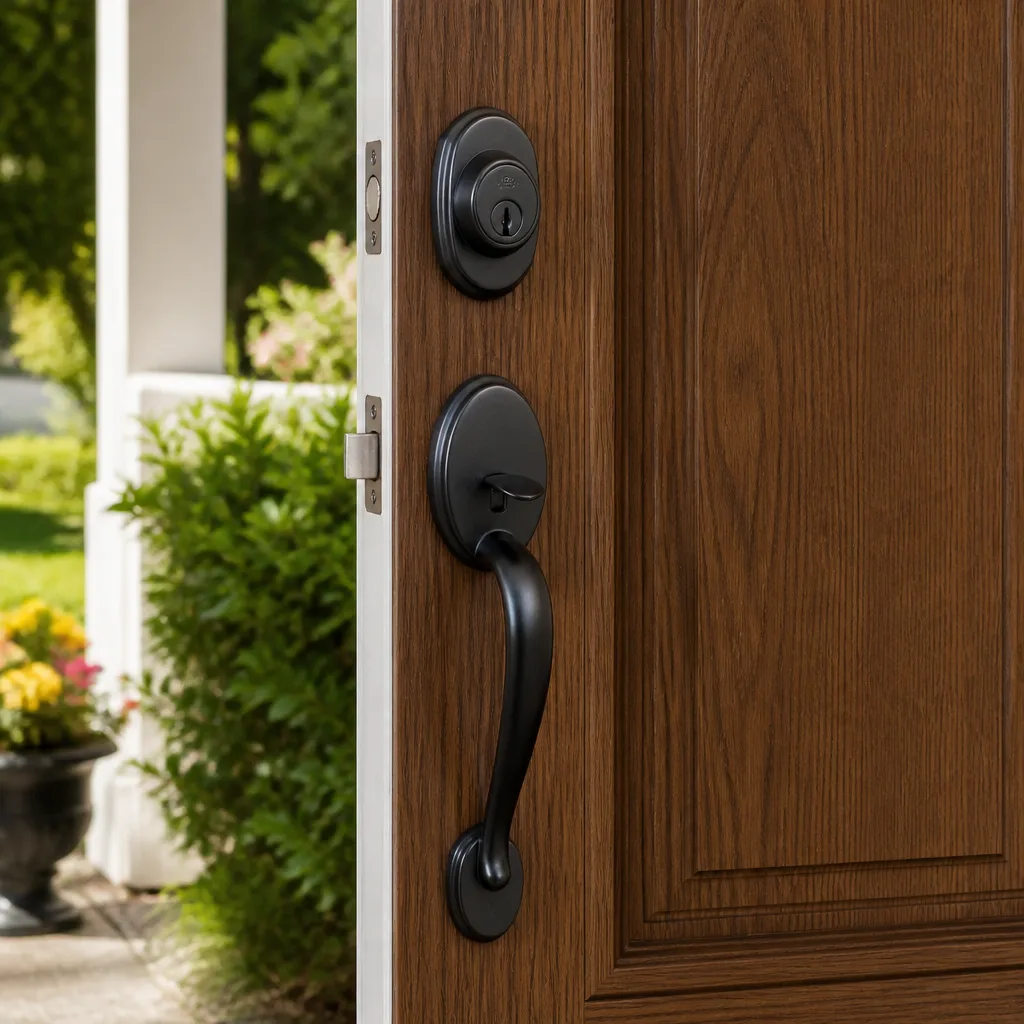 Schlage
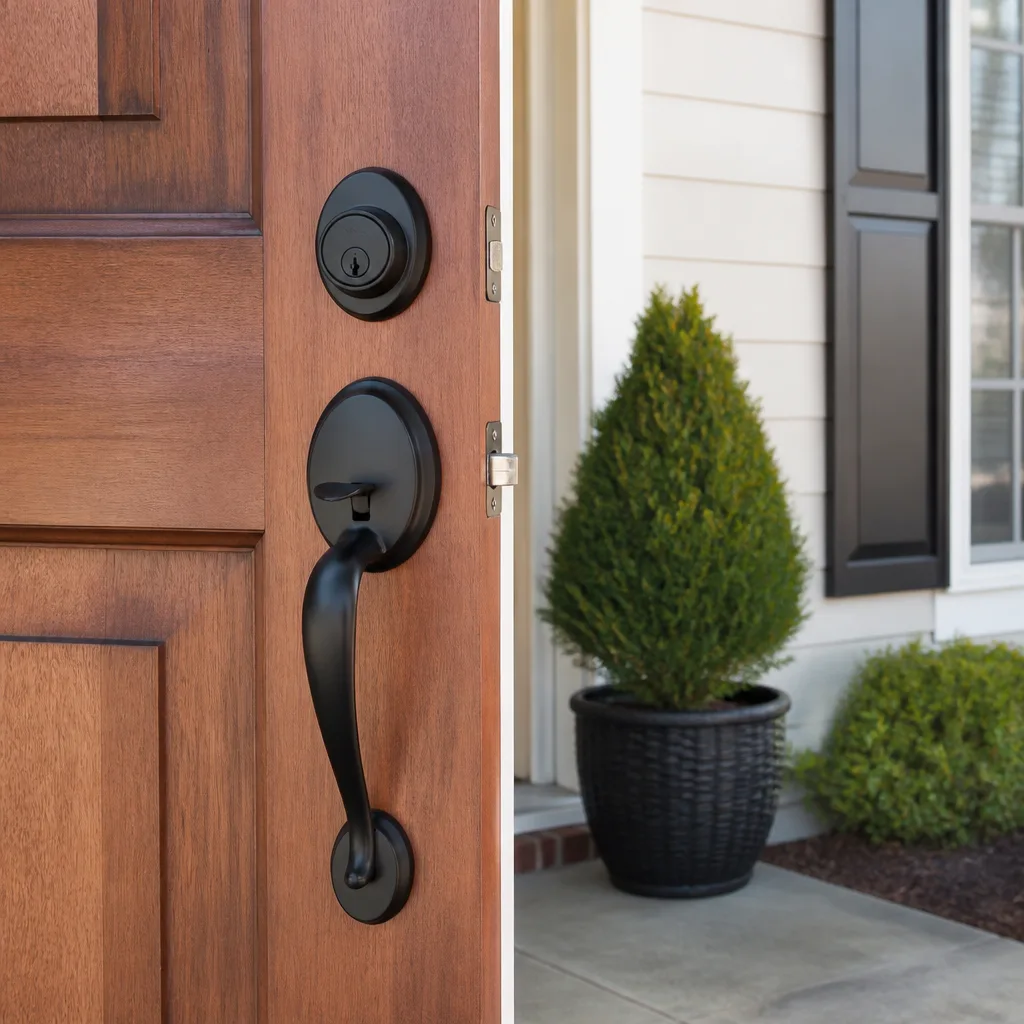 Kwikset
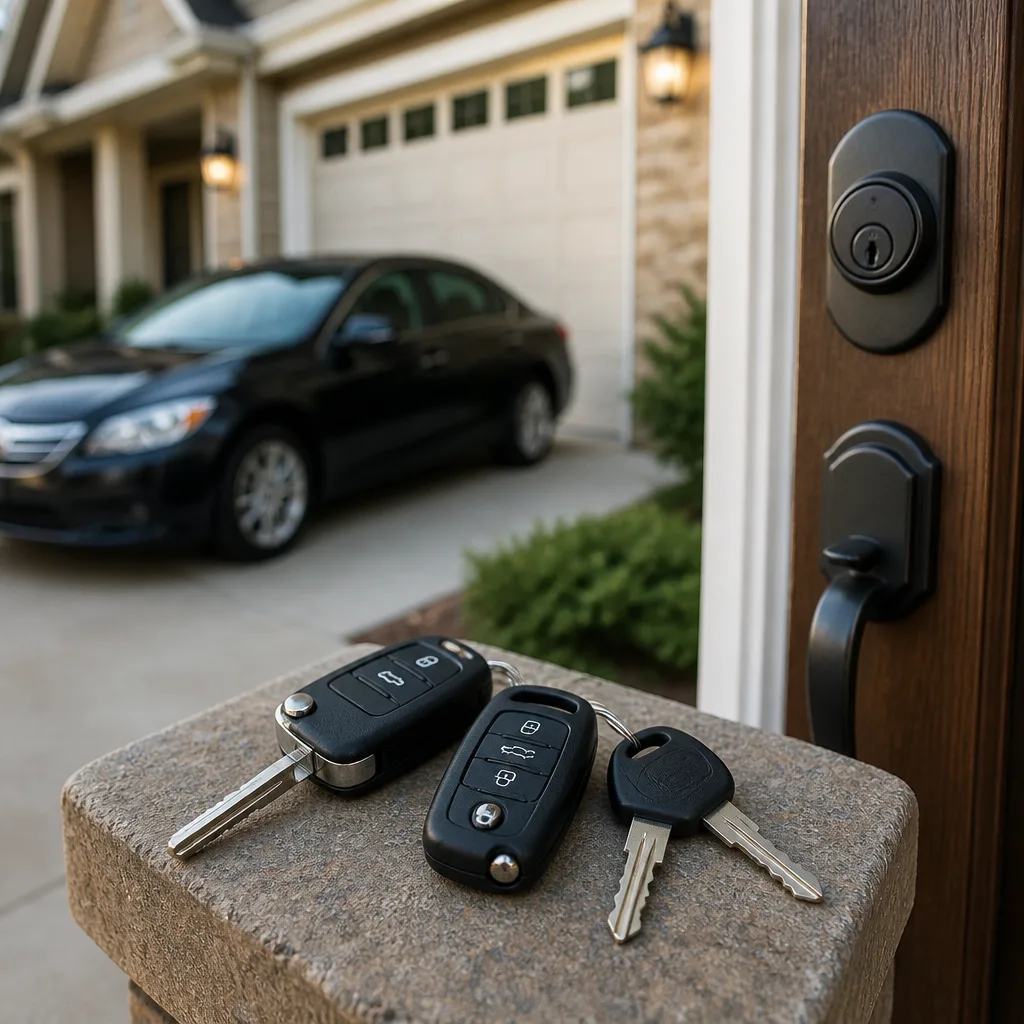 Car keys & fobs
Non-destructive entry first, always - and we re-key Schlage, Kwikset, and Baldwin locks on the spot while you watch
You get a price before we start. It does not change when we arrive. No surprises.
Get your free estimateSeasonal Locksmith Care for Torrance: Year-Round Homeowner’s Guide
Most seasonal home maintenance guides tell you to check your furnace in October or insulate your pipes before the first freeze. In Torrance, that advice is largely useless. What actually degrades on a predictable schedule here is your exterior lock hardware, and the culprit is a pattern most homeowners never connect to their front door: the salt-laden marine layer that settles over the city from May through July, followed by the bone-dry Santa Ana winds that sweep through in September and October. Together, they create a moisture-then-desiccation cycle that does more damage to pin tumblers, deadbolt mechanisms, and electronic keypads than a Midwest winter ever could. This guide walks you through what to check each season in Torrance, what to do about it yourself, and when to bring in a technician who works with this hardware every day. For more guides & resources, visit our blog.
Styles & brands we work with
Quick Answer
Seasonal lock care in Torrance comes down to a quarterly rhythm: clean and lubricate exterior cylinders in spring when the marine layer peaks, inspect rubber seals and electronic keypads in summer when UV exposure is highest, schedule a cylinder cleaning in fall after Santa Ana dust events, and check for early corrosion signs in winter when Torrance’s mild weather causes most homeowners to neglect locks entirely. One annual professional service, a full cylinder cleaning and lubrication typically done in under 20 minutes, prevents the majority of lock failures we see at Tumbler Lock & Key home service calls across the South Bay.
Table of Contents
- Why Torrance’s Climate Is Harder on Locks Than You’d Think
- Spring: Marine Layer Moisture and Pin Tumbler Corrosion
- Summer: UV Degradation of Seals, Keypads, and Key Fobs
- Fall: Santa Ana Dust and Deadbolt Infiltration
- Winter: The Season When Torrance Homeowners Ignore Locks Entirely
- The One Annual Task That Prevents 80% of Lock Failures
- Your Torrance Quarterly Maintenance Checklist
- Common Mistakes to Avoid
- When to Call a Professional
- Frequently Asked Questions
- The Bottom Line
Why Torrance’s Climate Is Harder on Locks Than You’d Think
Torrance sits in a climate sweet spot: no snow, no ice, no sub-zero mornings. That’s exactly why homeowners get complacent. The city’s specific weather pattern produces two distinct wear mechanisms that operate on your locks year-round, and neither one is dramatic enough to raise alarm on its own. The first is the marine layer that rolls in from Santa Monica Bay each spring, carrying salt aerosol and moisture that condenses on cold metal surfaces. The second is the fall Santa Ana condition, where single-digit humidity and wind-driven dust strip every trace of lubrication from exposed hardware. What you get is a cycle: moisture creeps in, then the dry air pulls it back out, leaving behind salt residue and micro-abrasive particles in the pin chambers. Over two or three years, that cycle produces exactly the kind of sticky, gritty, hard-to-turn key action that eventually strands someone on a doorstep in Torrance’s Riviera or Seaside neighborhoods.
This isn’t a theoretical concern. When a lock cylinder fails in Torrance, the failure rarely happens all at once. It degrades in stages: first the key gets stiff going in, then a slight resistance when turning, then intermittent catches that make you wonder if it’s your key, and finally a full refusal that happens at the worst possible moment. The progression is predictable enough that we can spot where a homeowner is in the cycle the moment they describe the symptom over the phone. The point of seasonal care isn’t to make locks look nicer or operate marginally better in the moment. It’s to stop that progression before it reaches the stage where the only fix is drilling out the cylinder and replacing it entirely.
Spring: Marine Layer Moisture and Pin Tumbler Corrosion
Spring in Torrance means May gray and June gloom, which sounds poetic until you understand what that marine layer is doing to the pin tumbler cylinders in your front door, back door, and side gate. The fog isn’t pure water vapor. It carries salt aerosol from the Pacific, and when that moisture condenses on a metal lock body, the salt goes with it. Inside a pin tumbler cylinder, the pins and springs are made of brass or nickel-plated brass, and while those materials resist corrosion under normal conditions, they’re not immune to sustained salt exposure in a confined, low-airflow environment. The result is pins that don’t slide smoothly in their chambers, springs that lose tension gradually, and a key that starts binding in the cylinder.
What to look for during spring in Torrance:
- Key insertion resistance: If your key doesn’t slide in as smoothly in May as it did in January, moisture has likely started affecting the internal tolerances.
- Grittiness when turning: That sensation of sand in the mechanism is often salt crystallization on the pin surfaces.
- Visible oxidation on the keyway edges: A whitish or greenish residue around the key opening is the first external sign that moisture intrusion has begun.
- Stiff deadbolt throw: The bolt mechanism on a Schlage or Kwikset deadbolt can accumulate corrosion at the point where the bolt meets the strike plate.
If you catch these signs early, the fix is usually straightforward. What surprises most homeowners is what lubricant to use. The common instinct is to reach for WD-40, and that’s the wrong choice for pin tumbler locks. WD-40 is a water displacer and solvent, not a lubricant. It will temporarily free a sticking mechanism, but it leaves behind a film that attracts and holds dust, which then grinds against the pins and makes the problem worse within weeks. The correct product for a pin tumbler cylinder is dry graphite powder or a PTFE-based dry lubricant. Graphite works because it coats the pins without attracting moisture or dust, and it maintains a slick surface through many cycles of use. Apply a small puff into the keyway, insert and remove the key several times to distribute it, and then wipe the key clean.
One more spring-specific task in Torrance: check the weatherstripping and the small rubber gaskets around exterior keypads and electronic deadbolts. The marine layer’s moisture finds its way behind seals that have dried out over winter, and once water gets behind a keypad face, the circuit board is at risk. A $12 tube of silicone-based gasket sealant used to re-seat a loose seal in April can prevent a $200 keypad replacement in August. For locks on a Kwikset SmartKey or a Schlage Encode, moisture intrusion is the most common cause of premature electronic failure we encounter in coastal areas.
Summer: UV Degradation of Seals, Keypads, and Key Fobs
Summer in Torrance is mild by Southern California standards, but the ultraviolet index is not. The same intensity that makes sunburn possible in twenty minutes at Torrance Beach does structural damage to the rubber, silicone, and plastic components on your lock hardware. UV radiation breaks down the polymer chains in rubber and synthetic elastomers, causing them to become brittle, chalky, and cracked. On a mechanical deadbolt, that shows up as a degraded keyway dust cover or a brittle housing gasket. On an electronic keypad, it shows up as cracked button membranes, faded display screens, and eventual water intrusion when the compromised seals meet next spring’s marine layer.
The component most Torrance homeowners forget about is the key fob. If you drive a vehicle with a proximity key or a remote head key, that fob lives in your pocket, your purse, or your center console, but it also spends hours in direct sunlight: on a dash, on an outdoor table at a Redondo Beach café, on a lanyard hanging from a belt loop. The rubber button membranes on aftermarket and OEM fobs alike degrade under sustained UV exposure, and when they crack, the silicone contact pads underneath oxidize. The result is a fob that works intermittently, then not at all.
What to inspect each summer in Torrance:
- Exterior lock faceplates and tailpieces: Look for hairline cracks forming in any plastic or rubber component on the exterior side. A crack is the future entry point for moisture and dust.
- Electronic deadbolt battery compartments: Heat causes batteries to leak faster, and a leaked battery inside a keypad housing can corrode the terminals beyond repair. Replace batteries in June, not when the low-battery light comes on.
- Key fob button membranes: If a button feels mushy rather than clicking, or if you can see daylight through a crack in the rubber, it’s time for a new fob shell or a full Car Key Replacement in Torrance service call before the fob fails completely.
- Garage door remote keypads mounted on exterior walls: The UV hits these harder than almost any other security component on a Torrance home. Check the keypad face for fading, which is a precursor to button membrane failure.
On the hardware side, this is also the season to inspect the finish on your lock. Torrance’s combination of UV and salt air is particularly rough on polished brass and satin nickel finishes, which can pit and discolor in a way that’s not just cosmetic. Pitting on a lock faceplate gives corrosion a foothold, and once pitting starts, the metal underneath is exposed to next spring’s marine layer in exactly the wrong way. If you have high-quality hardware, a Medeco or Mul-T-Lock cylinder on an exterior door, the cylinder itself is made to tighter tolerances than commodity brands, which means even minor surface degradation matters more. Those cylinders are designed to rotate pins with thousandths of an inch of clearance, and a little pitting on the wrong surface changes the fit more than you’d expect.
Fall: Santa Ana Dust and Deadbolt Infiltration
When the Santa Ana winds kick up in September and October, Torrance gets its dry season in earnest. Humidity drops into the teens, and the offshore flow carries fine dust from the inland deserts across the South Bay. That dust is the enemy of every mechanical lock on your property. The particles are small enough to enter the keyway of a standard pin tumbler cylinder, where they mix with whatever lubricant residue is present and form an abrasive paste. Graphite-lubricated locks handle this better than oil-lubricated locks, which is another reason we recommend dry lubricants in coastal California. But even graphite can only suspend so much particulate before the cylinder starts to feel gritty.
The deadbolt mechanism itself is the other infiltration point. The bolt throw on a Schlage B60 or a Kwikset 980 extends into the door frame, and the space around the strike plate is never perfectly sealed. Santa Ana wind drives dust through that gap, and the dust settles in the bolt channel inside the door. Over time, the accumulation makes the deadbolt harder to throw, which means you’re applying more force to the thumbturn, which means you’re accelerating wear on every component in the mechanism. We see this pattern every October in Torrance: homeowners suddenly notice their deadbolt is stiff, and they assume it’s a structural problem with the door. More often, it’s a channel full of wind-blown dust.
This is the right season to schedule a professional cylinder cleaning if you’ve never had one done. The process involves removing the cylinder from the lock body, disassembling it far enough to access all pin chambers, flushing out accumulated dust and debris with a solvent that doesn’t leave residue, and then re-lubricating with fresh graphite or PTFE. It’s not a particularly dramatic operation; on most residential locks, it takes under twenty minutes per cylinder. But it resets the clock on wear, and for a homeowner in Torrance, doing this in October after the first Santa Ana event of the season means going into winter with hardware that operates like new. If you’ve been noticing stiffness throughout the year, this is also the right time to ask about rekeying rather than replacement. A Rekey Locks in Torrance service call can restore smooth operation with a fresh set of pins and springs without the cost of new hardware, which matters if you’re maintaining locks the same way you’d maintain anything else on the house.
Winter: The Season When Torrance Homeowners Ignore Locks Entirely
Here’s the counterintuitive part about winter lock maintenance in Torrance: the biggest risk factor isn’t the weather, it’s the inattention. In climates with real winters, homeowners pay attention to their exterior hardware because ice and snow force them to. A frozen lock is an immediate problem that demands a solution. In Torrance, a lock that’s getting progressively stiffer through December and January doesn’t announce itself the same way. It just quietly gets worse while you’re not thinking about it, and then one evening in February it stops turning altogether and you’re standing outside your own house in the dark.
Winter is when we see the accumulated results of spring moisture, summer UV, and fall dust all converge. The corrosion that started in June has had eight months to work into the pin chambers. The dust that blew in during October has compacted into the deadbolt channel. The seals that cracked in July have let in just enough moisture to start rust forming on the internal springs. None of this was dramatic at any point. Each small insult was survivable. The cumulative effect is what fails in winter, and because Torrance never gets cold enough to freeze out the water, the corrosion process continues straight through the season. A Chicago homeowner gets a break from corrosion in January because the water is locked up as ice. A Torrance homeowner gets no such reprieve.
What to do during winter in Torrance:
- Test every exterior lock at least once a month. Insert the key, turn it through the full range of motion, throw the deadbolt, and retract it. The point is to catch stiffness before it becomes refusal.
- Listen for changes in sound. A lock that used to click cleanly and now makes a scraping sound is telling you something. The scraping is metal on metal without adequate lubrication.
- Check for moisture inside keyways after rain events. Torrance does get winter rain, and rain followed by cool nights means condensation inside lock bodies. A quick inspection after a storm takes thirty seconds.
- Pay attention to keys that are bending or showing brass wear. A key is the canary in the coal mine. If your key is wearing, the cylinder is wearing harder, and both are telling you it’s time for a professional look.
If you notice any of these signs during winter, don’t wait for spring. The progression from stiff to failed happens faster than most homeowners expect, and a lock that fails completely usually requires destructive entry followed by cylinder replacement. That’s more expensive than maintenance, and more stressful. A Emergency Locksmith in Torrance call in February costs less than the same call after the lock has fully seized, because the technician can salvage the existing hardware instead of drilling it out.
The One Annual Task That Prevents 80% of Lock Failures
If you do nothing else in this guide, do this one thing once a year: have a professional cylinder cleaning performed on every exterior lock. That’s it. A cylinder cleaning, which we describe as removing the cylinder, flushing the pin chambers, inspecting the pins and springs for wear, and re-lubricating with dry graphite or PTFE, addresses the root cause of the vast majority of residential lock failures in coastal California. The eight out of ten figure isn’t a marketing number; it reflects what we actually see on service calls across Torrance. When a lock fails, the failure is almost always traceable to contaminated pins or degraded lubrication rather than broken hardware. A cylinder that gets cleaned annually doesn’t accumulate the grit and corrosion that eventually kills it.
Here’s what the process looks like when we do it in Torrance:
- Remove the cylinder from the lock body. On most Schlage, Kwikset, and Baldwin hardware, this takes about a minute with a standard screwdriver and the key in place.
- Extract the plug and dump the pins. The key pins, driver pins, and springs come out, and each is inspected for visible wear, corrosion, or deformation.
- Flush the chambers and plug. A non-residue solvent cleans out the dust, salt residue, and old lubricant that have accumulated since the last service.
- Inspect and replace worn components. Springs lose tension over time; pins develop flat spots. Replacement pins and springs are pennies, but putting fresh ones in returns the cylinder to factory tolerances.
- Reassemble and lubricate. Fresh dry graphite goes into the pin chambers, the key is cycled several times to distribute it, and the cylinder goes back into the lock body.
The entire process takes under twenty minutes on a standard residential cylinder. For a homeowner in Torrance who wants to be proactive, we recommend scheduling this in late October or early November, after the first Santa Ana wind event has blown its dust through the South Bay. That timing means the cylinders go into winter clean, and they’ll stay cleaner through the mild months because the dry season has already flushed out most of the airborne particulate that would otherwise find its way into the keyway. It’s a small investment that returns reliability, and it’s the single highest-leverage maintenance task in this entire guide.
For those with high-security hardware, this annual cleaning matters even more. A Medeco cylinder operates with significantly tighter tolerances than a standard Kwikset or Schlage. The pins make contact with the key at multiple angles, which means even minor contamination or wear changes the way the key interacts with the cylinder. At the point where a standard cylinder is getting stiff, a high-security cylinder may still feel fine because the tolerances are so good. But the contamination is still there, and when it eventually causes problems, the repair is more specialized. Annual cleaning on a Medeco or Mul-T-Lock cylinder isn’t just about smooth operation; it’s about preserving the life of significantly more expensive hardware.
Your Torrance Quarterly Maintenance Checklist
Here’s the rhythm to follow, season by season, in Torrance. Keep this somewhere visible: a garage wall, a phone note, a kitchen corkboard. The entire thing takes less than an hour per year, and it’s the difference between locks that last decades and locks that fail at the worst possible moment.
Spring (March through May)
- Lubricate all exterior keyways with dry graphite or PTFE lubricant
- Inspect rubber gaskets on electronic keypads and reseat any that have loosened
- Check key insertion on every door for the first signs of moisture-related resistance
- Wipe down lock faceplates with a dry cloth to remove salt residue from the marine layer
Summer (June through August)
- Replace batteries in all electronic deadbolts and keypads
- Inspect key fob button membranes for cracks and degraded tactile response
- Check exterior plastics and rubbers for UV cracking
- Test garage door remote keypads and replace any with unresponsive buttons
Fall (September through November)
- Schedule professional cylinder cleaning for every exterior lock
- Inspect deadbolt channels for Santa Ana dust buildup
- Check strike plates for looseness caused by accumulated dust and forced entry wear
- Consider rekeying if there’s been any change in who has keys to the home
Winter (December through February)
- Test every exterior lock monthly through full range of motion
- Inspect keyways for moisture after rain events
- Listen for changes in lock sound indicating internal wear
- Address any stiffness immediately rather than waiting for spring
The quarterly approach matters because it maps directly to Torrance’s microclimate. Spring addresses the marine layer’s moisture. Summer addresses UV damage at its peak. Fall addresses wind-blown dust. Winter catches the cumulative effects before they become failures. If you skip a season, you’re not just missing that season’s tasks; you’re missing the chance to correct the previous season’s damage before it compounds. That compounding effect is what turns a maintainable lock into a replacement job.
Common Mistakes to Avoid
- Using WD-40 on pin tumbler locks. It displaces water and temporarily frees stuck pins, then attracts dust and gumms up the mechanism. Dry graphite or PTFE is the right choice, always.
- Waiting until a lock fails to call a locksmith. A stiff lock is a warning, not a nuisance. Addressing it early usually means a $20 pin replacement during a cleaning. Waiting usually means a drilled-out cylinder and a full replacement.
- Ignoring keypad battery maintenance. In Torrance’s summer heat, batteries leak faster than in cooler climates, and a leaked battery inside a keypad housing can destroy the circuit board. Replace them on a schedule, not when the low-battery indicator appears.
- Forcing a stiff key instead of diagnosing the cause. If you’re applying force to turn a key that used to turn easily, you’re grinding contamination deeper into the pin chambers. Every forced turn shortens the life of the cylinder.
- Assuming torrance’s mild weather means locks don’t need maintenance. The marine layer and Santa Ana winds create a wear pattern that’s less dramatic than ice but just as destructive over time. Coastal California lock failure is a slow-motion process, not a sudden event.
- Replacing locks when rekeying would solve the problem. If the hardware is functioning and the issue is worn pins or changed access needs, rekeying restores smooth operation and security at a fraction of the cost of new locks. We rekey, we replace, we respond, and the right choice depends on the hardware’s condition, not on a default assumption.
- Neglecting the garage door keypad. It’s mounted on an exterior wall in direct UV exposure, it’s the most weather-beaten security component on most Torrance homes, and it’s the one homeowners forget to inspect until it stops working.
When to Call a Professional
Some maintenance tasks are genuinely DIY, and this guide covers those. But there are situations where calling a locksmith in Torrance is the smart move, not the expensive one. If a key is bending in the cylinder, the cylinder has already degraded past the point where additional force will help. If a deadbolt won’t throw even when the door is open, the issue is internal to the mechanism, not the alignment. If an electronic keypad is intermittent, the problem could be a battery terminal, a circuit board trace, or a failed button membrane, and diagnosing it requires opening the housing. And if you’ve lost keys or had a change in household composition, rekeying is a security decision that should happen on a schedule, not when it becomes urgent. Tumbler Lock & Key offers free estimates in Torrance. Call (877) 265-3856 and we’ll walk through what you’re seeing over the phone before anyone is dispatched.
Frequently Asked Questions
Lubricate exterior locks quarterly in Torrance, with the most important application in spring when the marine layer is at its peak. Use dry graphite or PTFE, never oil-based products or WD-40, which attract dust and compound the problem in a city with regular Santa Ana wind events.
Dry graphite powder or a PTFE-based dry lubricant is the best choice for Torrance door locks because it coats the internal pins without trapping the salt aerosol and wind-blown dust that characterize the city’s climate. Oil-based lubricants create a film that captures particulate and turns into abrasive paste inside the cylinder.
Rekeying a pin tumbler cylinder requires a follower tool, a plug follower, a pinning kit, and the experience to match key bitting to pin depths correctly, and mistakes can leave you with a lock that doesn’t turn or one that accepts unintended keys. A professional rekey takes under fifteen minutes per cylinder and includes fresh pins and springs that restore the lock to factory tolerances.
A quality exterior lock in Torrance typically lasts 15 to 25 years with proper annual cylinder maintenance, but without it, the marine layer’s salt corrosion and Santa Ana dust contamination can cause noticeable degradation within three to five years. The climate doesn’t kill locks quickly; it kills them slowly through a cycle of moisture and dryness that accelerates internal wear.
Most residential locks are worth servicing rather than replacing if the housing and finish are intact, because the most common failure points are worn pins, tired springs, and contaminated lubrication, all of which are addressed during a $30 to $60 professional cylinder cleaning and rekey. Replacement only makes sense when the lock body itself is damaged or the finish has degraded to the point that new hardware is the better long-term investment.
Stop using the key and call a locksmith, because continuing to force a stiff or gritty cylinder compounds the internal wear and makes a simple cleaning job into a full replacement. Tumbler Lock & Key responds to these calls across Torrance, and the fix is typically a cylinder cleaning and rekey that takes under half an hour. Call (877) 265-3856 for an over-the-phone diagnosis before you spend another dollar.
The Bottom Line
Torrance doesn’t have extreme weather, but it has a specific combination of marine layer moisture and Santa Ana wind-driven dust that degrades lock hardware on a predictable schedule. Smart homeowners stay ahead of that cycle with a quarterly rhythm: lubrication and seal inspection in spring, UV and battery checks in summer, professional cylinder cleaning in fall, and monthly testing through the mild winter months when neglect is most common. Vehicle owners should also follow our Car Key Replacement Maintenance Checklist for Torrance Homeowners. The single highest-leverage action is an annual cylinder cleaning, a quick procedure that flushes contamination, replaces worn pins, and extends lock life by years. When in doubt, call (877) 265-3856. One call covers your car, your home, your business, and the estimate is free.
Written by the team at Tumbler Lock & Key, serving Torrance since 2015.