Last updated October 31, 2026
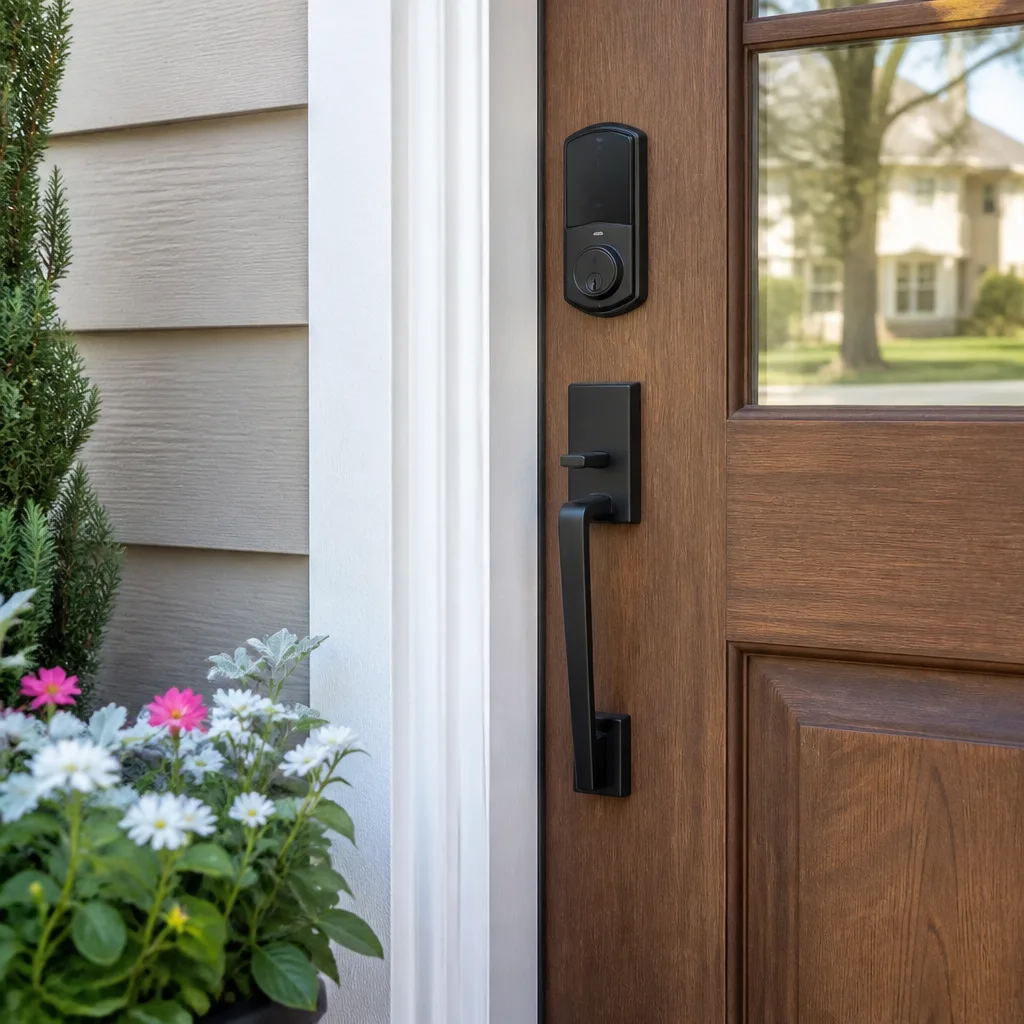 Smart locks
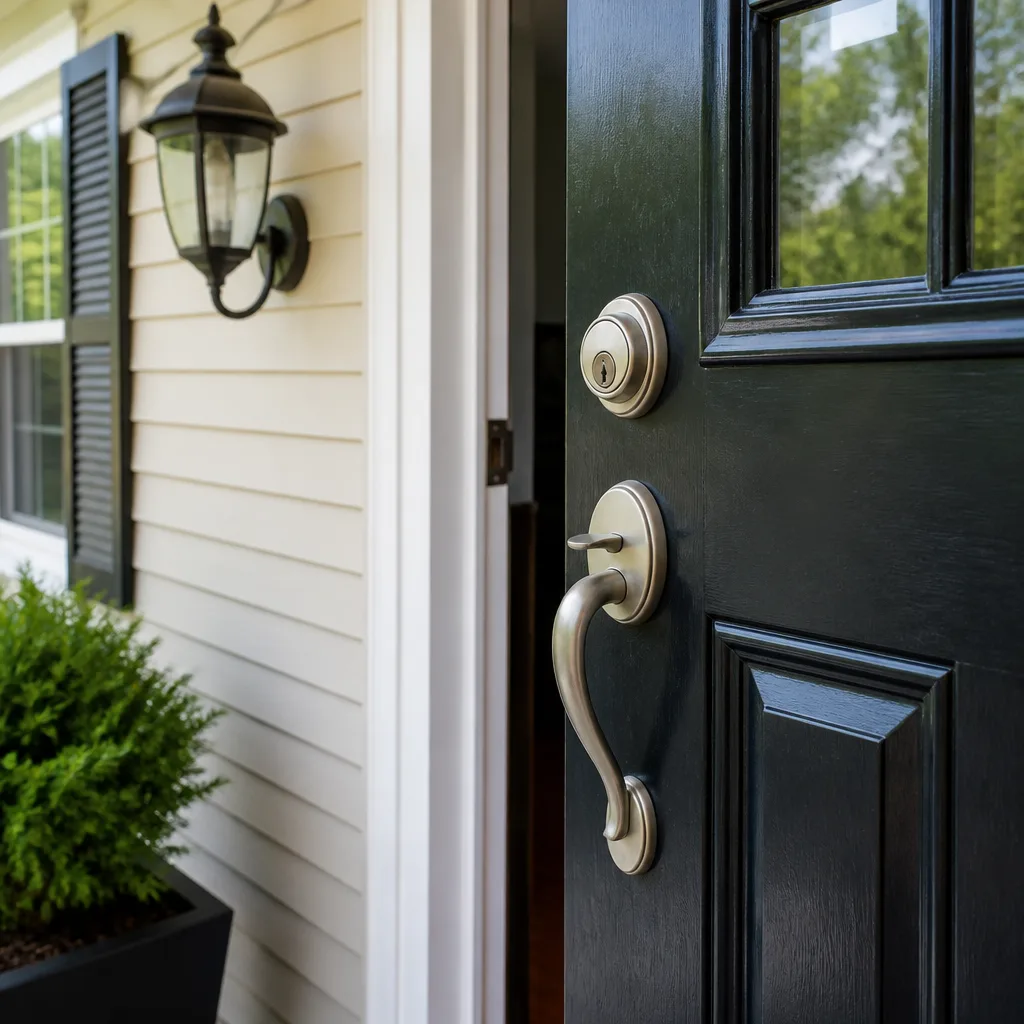 House lockouts
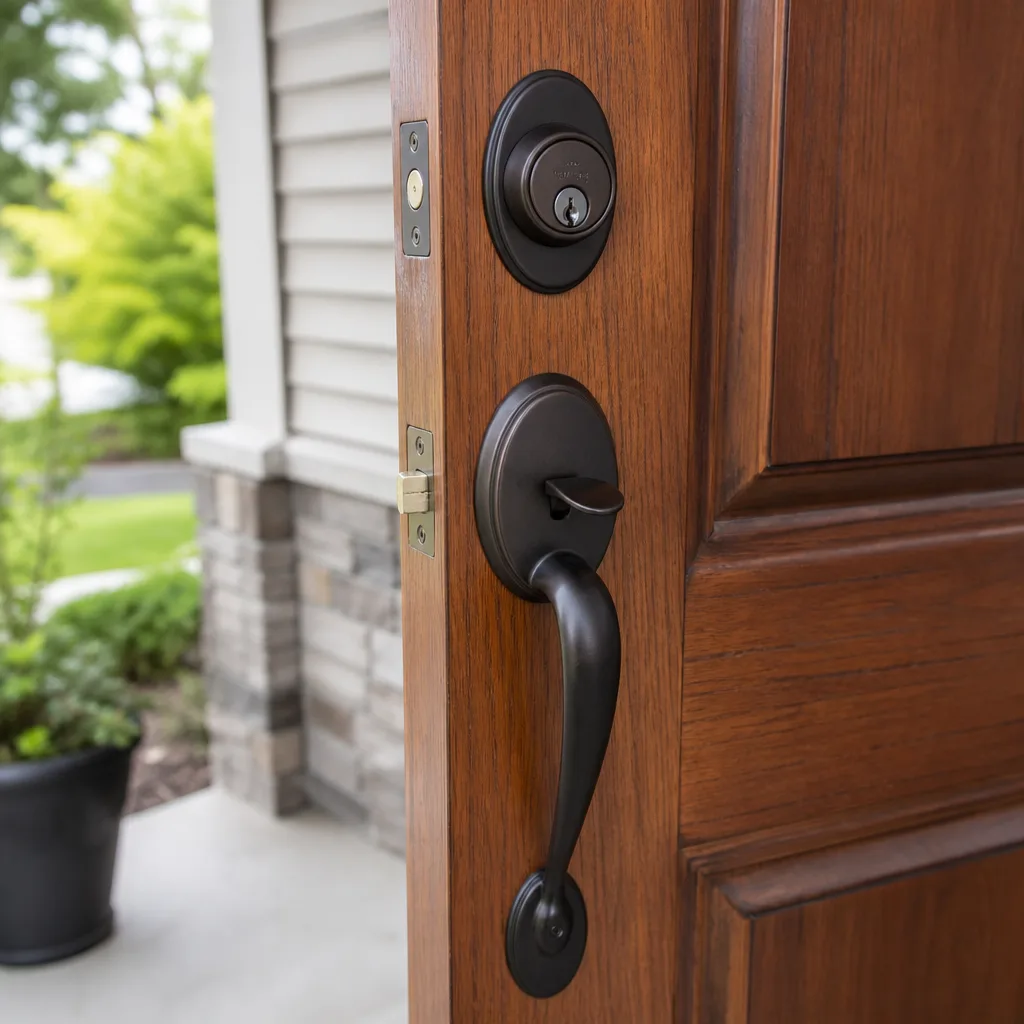 Re-keying
 Deadbolt upgrades
 Schlage
 Kwikset
 Car keys & fobs
Non-destructive entry first, always - and we re-key Schlage, Kwikset, and Baldwin locks on the spot while you watch
You get a price before we start. It does not change when we arrive. No surprises.
Get your free estimateLocksmith Permits, Codes & Inspections in CA: What You Need to Know
Here’s a fact that surprises most California property owners: if an unlicensed person installs a new deadbolt on a commercial door in Torrance, the property owner can be held liable for code violations, insurance denials, and even civil penalties. Yet ask five business owners what the CLPCA is and you’ll likely get five blank stares. The truth is that California is among a small minority of states that actively regulates locksmith work through a formal licensing structure, but the way that licensing interacts with local building permits, fire codes, and ADA requirements creates a tangle that few people understand until something goes wrong. In this guide we unpack the legal framework in plain language: who needs a license, when a permit is required, what codes apply to door hardware in Torrance, and how to verify that any locksmith you hire is actually operating within the law. For Locksmith Warning Signs: A Torrance Homeowner’s Reference Guide, see our companion resource.
Styles & brands we work with
Quick Answer
In California, anyone performing locksmith work for compensation must hold a valid license issued under the California Locksmith and Proprietary Alarm Company Act (CLPCA), which is enforced through the Bureau of Security and Investigative Services (BSIS). For residential lock work in Torrance, no building permit is typically required for swapping or rekeying existing hardware. But when locks are installed or modified on commercial doors, fire-rated assemblies, or in conjunction with tenant improvements, a Torrance building permit may be required and ADA compliance for door hardware (levers, force limits, clearances) becomes mandatory. Always confirm the locksmith’s CLPCA license and insurance before work begins.
Table of Contents
- What the CLPCA License Actually Covers (and What It Doesn’t)
- When a Torrance Permit Is Required for Lock Work
- ADA Door Hardware Compliance in California Commercial Spaces
- California Penal Code and Lock Picking Tools: Who May Legally Carry Them
- Verifying a Locksmith’s Insurance and Bond Minimums for Commercial Contracts
- Rekeying vs. Replacement: Code and Permit Implications
- The Line Between Locksmith Work and General Contractor Door Hardware Work
- Common Mistakes to Avoid
- When to Call a Professional
- Frequently Asked Questions
- The Bottom Line
What the CLPCA License Actually Covers (and What It Doesn’t)
The California Locksmith and Proprietary Alarm Company Act (CLPCA), codified in Business and Professions Code Section 6980 et seq., requires any individual or company that performs locksmith services for compensation to hold a locksmith company license, a locksmith employee registration, or both, depending on the arrangement. The license is issued and enforced by the Bureau of Security and Investigative Services (BSIS), a division of the California Department of Consumer Affairs. In Torrance, any legitimate locksmith working on your home, vehicle, or business should be able to produce both a company license and an individual registration card on request.
Here’s what the CLPCA license actually authorizes: installation, repair, opening, or modification of locks; originating keys by code; rekeying lock cylinders; programming and originating transponder keys and remote controls for vehicles; installing and servicing electronic access control systems; and opening locked safes and vaults. It also covers the installation of exit alarms and certain types of proprietary alarm systems. In our experience, most Torrance homeowners and business owners have no idea that automotive key programming falls under the same licensing umbrella as residential lockouts. It does. One license covers the full spectrum, from car key replacement in Torrance to a Medeco high-security cylinder installation.
What CLPCA does not cover is equally important. The license does not authorize structural modifications to a door or frame beyond the lock itself. Cutting a door to accommodate a larger mortise pocket, reinforcing a door frame, installing a new door, or modifying a fire-rated assembly falls under the jurisdiction of the California Contractors State License Board (CSLB) and may require a general building contractor, a door and finish carpentry contractor (C-17), or a locksmith who also holds a CSLB contractor’s license. This is where the line blurs, and we cover it in depth below. The key point: a CLPCA license authorizes locksmith work on the hardware itself, not structural work on the door, frame, or surrounding assembly.
When a Torrance Permit Is Required for Lock Work
Here’s the direct answer: for a standard residential rekey or deadbolt replacement in Torrance, no building permit is needed. The City of Torrance Building Department does not require a permit for like-for-like hardware swaps, rekeying existing cylinders, or replacing a broken deadbolt with a similar model. This holds true across Torrance neighborhoods from Old Torrance to Southwood to the Hillside area. A homeowner can call a locksmith, have locks rekeyed after a move, and be done. No permit, no inspection, no paperwork. For proactive upkeep tips, check our Seasonal Locksmith Care for Torrance: Year-Round Homeowner’s Guide.
But the Terranca picture changes as soon as you touch a commercial space or fire-rated hardware. If a lock is installed or modified on a fire-rated door assembly in a Torrance commercial building, the City of Torrance requires that any replacement hardware meet the original fire rating. This means fire-rated latch sets, exit devices (crash bars), and closers must carry the appropriate Underwriters Laboratories (UL) rating or equivalent. If the modification involves cutting new holes, relocating a strike plate, or changing the hardware footprint on a fire-rated door, the Torrance Building Department may require a permit and an inspection. In commercial tenant improvement projects, lock hardware changes are often bundled into a larger permit package reviewed by the city’s building safety division.
Specific scenarios where a Torrance permit is likely required include: installing a new door and frame with integrated locking hardware, converting a standard door to an electronically controlled access door on a fire-rated corridor, adding a magnetic lock (maglock) to a fire-rated assembly that contains an exit device, or retrofitting hardware on a door serving as a means of egress in an assembly occupancy. The practical rule: if the lock work is purely mechanical and the mounting footprints match, no permit. If the work changes how the door functions as a fire barrier or egress route, call the Torrance Building & Safety Division or work with a locksmith who will.
One more Torrance-specific note: many of the city’s commercial buildings date from the 1950s through the 1980s, and we regularly see doors where the original hardware was never upgraded for current egress or accessibility standards. In those cases, a simple lock swap can trigger a review of the entire door assembly. That’s not bureaucracy for its own sake; it’s life-safety code enforcement. A qualified locksmith familiar with Torrance’s building stock will spot the flags before the inspector does.
ADA Door Hardware Compliance in California Commercial Spaces
In California, door hardware in commercial and multi-family properties is governed by both the federal Americans with Disabilities Act (ADA) and the California Building Code (CBC), which includes stricter accessibility provisions in some cases. For locksmiths working in Torrance, this means every hardware replacement on a commercial door must maintain or improve compliance. The specific requirements are precise, and they matter more than most property owners realize.
Here are the key compliance points for door hardware:
- Lever handle requirement: Interior doors in commercial spaces must have operable hardware that can be used with one hand without tight grasping, pinching, or twisting of the wrist. In practice, this means lever handles, not round knobs. Installing a round knob on a commercial interior door in Torrance is a direct CBC violation. The requirement applies to new installations and, in most cases, to replacement hardware in existing commercial spaces.
- Maximum operating force: Door hardware must require no more than 5 pounds of force to operate. This applies to latches, levers, and push/pull hardware. Fire-rated doors must stay within this limit without compromising the positive latching required for fire resistance.
- Latch clearance: ADA-compliant latch sets have a specific geometry. The latch side of the door requires a minimum 12 inches of clear space from the edge of the door to any wall or obstruction. The strike side requires at least 18 inches of clearance. We frequently see Torrance storefronts where a lock swap is fine but a recessed alcove or narrow entry makes the existing door non-compliant regardless of the hardware itself.
- Thresholds and landings: While not strictly hardware, the CBC requires level landings and maximum threshold heights that affect how any lock or closer operates. A self-closing door that slams shut because of an incorrect closer force setting is both an accessibility issue and a hardware service issue.
- Exit devices: Panic hardware (crash bars) on doors serving assembly occupancies with occupant loads of 50 or more is a fire code requirement. Replacing a panic bar in Torrance requires hardware with matching functionality and fire rating. Swapping an exit device for a standard lockset in such a space is never permitted, even if the door is rarely used.
For homeowners, ADA doesn’t apply to single-family residences. But for landlords in Torrance, even a four-unit residential building can trigger accessibility requirements in common areas and, depending on the funding source and age, within units. The safest approach: on any commercial or multi-family door, choose hardware that meets current CBC standards even if the existing hardware is grandfathered. It costs slightly more, and it prevents a cascade of code issues down the road. That’s true for every brand from Baldwin to Sargent to Abloy, and it is exactly the kind of detail we work through with Torrance property managers on a regular basis.
California Penal Code and Lock Picking Tools: Who May Legally Carry Them
This is one of the most misunderstood areas of California locksmith law. The direct answer: possession of lock picking tools in California is not automatically a crime. What makes it a crime is intent. California Penal Code Section 466 makes it a misdemeanor to possess a lock pick, a pick gun, a slim jim, a tension bar, a bump key, or any similar instrument with the intent to commit a burglary or other crime. The statute adds a rebuttable presumption: if a person is found with lock picking tools along with evidence of burglary, the burden shifts to the defendant to explain lawful possession.
This is why the CLPCA license matters so much on a practical level. A licensed locksmith in Torrance, or a registered locksmith employee, has a documented, legitimate reason to carry these tools. The license itself is the defense against a Penal Code 466 charge. An unlicensed person carrying a pick set at 2 a.m. near a Torrance commercial strip is in a very different legal posture than a registered locksmith responding to an emergency call. There is a Torrance emergency locksmith dimension here too. Legitimate lockout calls happen at all hours, and the CLPCA registration is what separates a professional response from a criminal allegation.
California law also criminalizes the unlawful entry of a vehicle using lock picking tools, and separately prohibits the possession of a “master key” where intent to commit a crime exists. For a property owner hiring a locksmith, this creates an important verification step: ask to see the physical registration card and match the name to the person standing at your door. The BSIS issues a printed license card with a photo and registration number. If the technician cannot produce one, do not let them touch your locks. It is not a formality; it is the legal shield that protects both of you.
Additionally, Penal Code Section 12090 et seq. regulates the transfer and possession of certain vehicle theft tools, which includes the key programmers and transponder cloning devices used in automotive locksmith work. A licensed locksmith carrying a Mul-T-Lock-compatible programming tool or a vehicle key blank that matches your car is legally covered by the CLPCA registration. A guy with an eBay programming tablet and no license is committing a separate crime. For anyone researching car key replacement in Torrance, that distinction is the difference between a legally-originated key and a legal headache.
Verifying a Locksmith’s Insurance and Bond Minimums for Commercial Contracts
CLPCA requires every licensed locksmith company in California to maintain a minimum $1 million in general liability insurance, and to file proof of that coverage with the BSIS. Additionally, the qualifying locksmith must pass a fingerprint-based background check through both the California Department of Justice and the FBI. Those are the legal minimums. But for commercial work in Torrance, the practical requirements often go higher.
Here is a step-by-step verification process for any Torrance business owner or property manager considering a locksmith vendor:
- Ask for the CLPCA license number, then verify it. The BSIS maintains a public online license database. Enter the company name or license number. Confirm that the license is active, not expired, suspended, or revoked. Write down the license number for your records.
- Request a certificate of insurance (COI) with the locksmith company as the named insured. Confirm general liability coverage of at least $1 million, and confirm the policy is currently in force. Check the expiration date; policies lapse more often than you’d think.
- If the work involves electronic access control or security systems, ask about errors and omissions (E&O) coverage. This is not required by CLPCA but is standard for companies doing commercial systems integration.
- Ask whether the company carries workers’ compensation insurance. If a technician is injured on your Torrance property and the company lacks workers’ comp, the liability can fall to you as the property owner through premises liability. Any legitimate commercial vendor will be able to confirm workers’ comp coverage.
- For commercial contracts, confirm the company has experience with fire-rated hardware and ADA-compliant installations. This is not an insurance question, but it is a claims-avoidance question. A company that only does residential rekeys and auto lockouts may not carry the right endorsements for fire door work.
One more practical note: California does not require locksmiths to carry a surety bond, unlike some other trades. The $1 million insurance minimum is the operative protection. But some Torrance commercial property management companies contractually require a bond above insurance, so do not be surprised if your property owner agreement demands one. It is a contract question, not a state law question. The locksmith either meets the property’s vendor requirements or does not. We recommend requesting the COI before any commercial lock work begins, even on a rekey.
Rekeying vs. Replacement: Code and Permit Implications
The distinction between rekeying and replacing lock hardware has real legal and financial consequences in California, and the difference comes down to one question: does the work change the physical configuration of the door or the fire-rated assembly?
Rekeying means changing the internal pin tumblers of an existing lock cylinder so a new key operates the lock while the old key no longer does. The hardware stays in place. No holes are cut. No mounting footprints change. From a Torrance building code perspective, rekeying is not a construction activity at all. It requires no permit, no inspection, and no modification to the fire rating of any door assembly. This is why rekeying locks in Torrance is the most code-friendly security reset available. After a move, a break-in, or a change of tenants, rekeying restores security without triggering any review by the city. It works with every lock brand we service, from a basic Kwikset to a Mul-T-Lock deadbolt with a restricted keyway.
Replacement means removing the entire lock body, latch, and strike and installing new hardware. If the new hardware is a like-for-like replacement with matching mounting holes and equivalent fire rating on a non-fire-rated residential door, no permit is needed. If the door is fire-rated, the new hardware must carry matching UL listings and maintain the door’s positive latching function. If the replacement requires new drill holes, a larger mortise pocket, or relocation of the strike, the work crosses from locksmith territory into contractor territory, and a Torrance permit may be required, particularly in commercial contexts.
For Torrance homeowners, Tumbler Lock & Key home guidance is simple: if the lock is broken but the door is sound, replacing the lock with a matching model is a routine no-permit job. If the door itself is damaged, warped, or the frame is split at the strike, the repair work may fall under general contractor licensing. We can rekey or replace the cylinder, but we will not pretend to be framing carpenters. That honesty is part of operating within the legal framework, and it is what a properly-licensed specialist should do.
The Line Between Locksmith Work and General Contractor Door Hardware Work
California draws a bright line between the CLPCA-licensed scope and the CSLB-licensed scope, but in the field the line can look blurry. Here is how we see it from the Torrance side: if the work involves the lock cylinder, the key, the latch, the strike plate, the lock body, or the access control electronics, it is locksmith work. If the work involves the door slab, the door frame, the hinges, the header, the threshold, or structural modification to accommodate hardware, it is contractor work.
Practical examples help. Installing a Baldwin mortise lockset into an existing mortise pocket that is already cut to specification is locksmith work. Cutting a new mortise pocket into a solid wood door is contractor work. Replacing a Sargent exit device on a fire-rated door with a matching Sargent model is locksmith work. Filling the old mounting holes, re-drilling, and repositioning the device so it aligns with a shifted strike is partly contractor work. Programming an Abloy electronic keypad and installing the escutcheon is locksmith work. Running conduit for a maglock power supply that ties into a building’s electrical panel is electrician work.
This distinction matters because it determines who can legally perform the work and who is liable if the work fails an inspection or causes a code violation. In Torrance commercial buildings, the city’s building inspector will not care whether the unpermitted mortise cut was made by a locksmith or a handyman; the property owner gets the violation either way. A properly-run locksmith company knows where its scope ends. We coordinate with licensed general contractors and electrical contractors for structural and power work, and we handle the lock hardware itself with full CLPCA authority. That is the legally-correct division, and it protects the property owner from becoming the test case for a scope-of-license dispute.
Common Mistakes to Avoid
- Hiring an unlicensed locksmith for a commercial job. The contractor saves a few dollars, but if the work falls outside any license scope and a fire inspection or insurance claim follows, the property owner bears the liability. Torrance commercial landlords have lost insurance coverage over exactly this scenario.
- Assuming a handyman can legally rekey a house for payment. California law is clear: locksmith work for compensation requires a CLPCA license. A handyman who “fixes locks on the side” is operating illegally, and the homeowner hiring them is enabling it. The criminal and civil exposure is real.
- Installing round knobs on commercial interior doors. It’s a CBC violation, full stop. Many people replace a broken knob with another knob because it matches the old hardware. What was installed 30 years ago is not a defense for a non-compliant installation today.
- Ignoring the fire-rating on exit doors. Every Torrance commercial building has fire-rated doors, usually self-closing, with positive-latching hardware. Replacing any component of that assembly with non-listed hardware voids the door’s fire rating. The building owner is now out of compliance with both the Torrance fire marshal and their insurer, and the repair is often three times the cost of the original hardware job.
- Failing to verify the locksmith’s license and insurance before the work starts. The California Department of Consumer Affairs makes verification a 90-second online task. Skipping it is the single most avoidable mistake we see. If the locksmith cannot produce a CLPCA license, call someone else.
- Treating automotive key programming as a dealer-only service. In California, a licensed locksmith can legally originate and program transponder keys and remote controls for most vehicle makes and models. Many Torrance drivers still pay dealership markups for a service a CLPCA-licensed locksmith can perform at a fraction of the cost, with the same legal authority.
- Assuming all commercial hardware is created equal. A Sargent mortise lock and a generic import mortise lock may look interchangeable, but the fire listing, the ADA operating force, and the durability profile are entirely different. Torrance commercial properties need hardware that meets the specified use. The brand matters, and so does the installer’s familiarity with it.
When to Call a Professional
You should call a licensed locksmith when the work involves the security or operation of any locking hardware on a home, vehicle, or commercial building. That includes rekeying after a move, replacing a failed deadbolt, programming a new car key, installing a high-security cylinder like a Medeco or Mul-T-Lock, or servicing an exit device that is sticking or failing to latch. If you are dealing with a lockout, a lost key, a break-in, or a tenant turnover, the call should happen immediately; delay compounds the security exposure. If you are unsure whether a particular job requires a Torrance building permit or falls outside a locksmith’s CLPCA scope, call a licensed professional and ask directly. Vehicle owners should also review our Car Key Replacement Maintenance Checklist for Torrance Homeowners. A competent locksmith will tell you if the job needs a general contractor or an electrician, and will coordinate accordingly. Tumbler Lock & Key offers free estimates in Torrance. Call (877) 265-3856 and we will tell you honestly whether the job is ours, yours, or someone else’s.
Frequently Asked Questions
No. Rekeying existing lock cylinders is not considered construction work under the Torrance Building Code and requires no permit or inspection. The hardware stays in place, no door geometry changes, and the fire rating of any assembly is untouched. A licensed locksmith can complete a full residential rekey in under an hour, typically while you wait.
Visit the BSIS license database on the California Department of Consumer Affairs website and enter the company name or license number. The database shows the license status, the expiration date, and the license type. Confirm the status is active and that the name on the license matches the company you are dealing with. This takes about 90 seconds and should be done before any work begins.
No. The California Building Code requires operable door hardware in commercial and accessible spaces to be usable with one hand without tight grasping, pinching, or twisting of the wrist. Round knobs fail that test. Lever handles are the required form. Replacement hardware on any commercial interior door in Torrance must be a lever, not a knob, regardless of what was installed before.
Yes. Automotive key origination and transponder programming fall within the CLPCA-licensed scope. A properly licensed locksmith in Torrance can cut and program keys for most vehicle makes and models, and the work is legally equivalent to dealership key service. Verify the locksmith’s CLPCA registration before handing over your vehicle key code.
You are hiring someone who is committing a misdemeanor under the CLPCA, and you may share liability for any resulting damage, code violation, or insurance claim denial. If the unlicensed work involves a fire-rated door or an unpermitted modification, the property owner is responsible for remediation. The fix is simple: verify the license before the work starts, and walk away from anyone who will not produce it.
Generally no. A standard California homeowners or commercial property policy covers damage from licensed, bonded, and insured contractors. If an unlicensed person damages your door, frame, or lock and it becomes a claim, the insurer may deny coverage on the basis that you hired an illegal contractor. The savings from an unlicensed job are never worth the exposure. Call (877) 265-3856 to get a quote from a licensed professional instead.
The Bottom Line
California’s locksmith licensing framework exists because lock work sits at the intersection of security, fire safety, and accessibility. The CLPCA license authorizes genuine locksmith scope: locks, keys, cylinders, rekeys, and car key programming. It does not authorize structural door work, and it does not exempt anyone from Torrance building permits or California Building Code compliance on fire-rated and commercial doors. Property owners who understand these lines make better hiring decisions, avoid unlicensed contractors, and keep their buildings compliant. When the work is strictly locksmith work, one licensed call handles a car, a home, or a business. Browse our more guides & resources for additional Torrance-specific security advice. When the work crosses into contractor territory, a good locksmith tells you so before the first tool comes out.
If you are in Torrance and need lock work, new keys, an emergency response, or a rekey, call Tumbler Lock & Key at (877) 265-3856. We hold the CLPCA credentials, we know the local code landscape, and we will give you an honest scope and a straight answer. It costs nothing to ask.
Written by the team at Tumbler Lock & Key, serving Torrance since 2015.